

 English

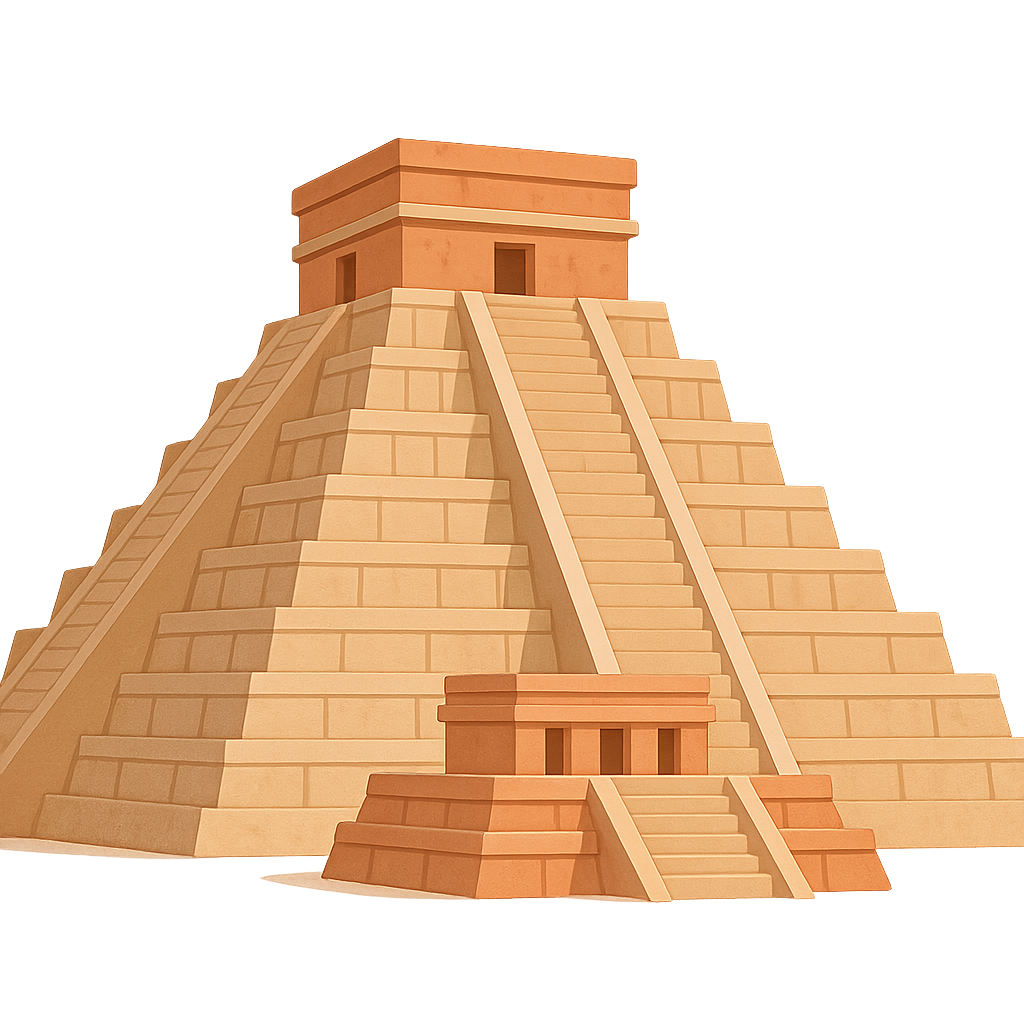
The Whispering Stones of the Jungle
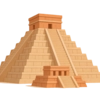
Can you feel the warm, damp air on your skin. Listen closely. Above the chatter of colorful birds and the deep call of howler monkeys, you might hear a whisper from the past. If you walk deep into the jungle, you will see me. My great stone pyramids and temples peek through a thick green blanket of trees, their tops reaching for the sun. For centuries, my cities have been like sleeping stone giants, covered in soft moss and holding ancient secrets. My plazas, where thousands of people once gathered, are now quiet and still, explored only by curious animals and the wind. But I am waking up to tell you my story. I am the Maya Civilization.
I was created by the brilliant Maya people, who lived thousands of years ago in a lush land now called Mesoamerica. They were incredible builders. With no metal tools or wheels to help them, they used their strength and cleverness to build magnificent cities like Tikal and Chichen Itza. They carefully cut and stacked enormous stones to create towering temples that seemed to scrape the sky. But my people were more than just builders; they were thinkers and dreamers. They were expert astronomers who spent their nights watching the stars, tracking the sun and moon to create calendars more accurate than any others in the world at the time. They were also amazing mathematicians. Long before many others, they understood the importance of the number zero, a powerful idea that helped them count into the millions. They even had their own way of writing, using beautiful picture-like symbols called hieroglyphs to record the stories of their kings, their gods, and their daily lives on stone and bark paper.
Life in my cities was a vibrant swirl of color, sound, and energy. Imagine walking through a bustling market where merchants sold bright, woven clothing, sparkling jade jewelry, and pottery painted with amazing designs. The air would be filled with the delicious smell of food made from maize, or corn, which was the most important crop for my people. They believed humans were created from it. For fun and for serious ceremony, they played an exciting and difficult ball game called Pok-a-Tok. Players would try to hit a heavy rubber ball through a high stone hoop using only their hips, knees, and elbows. My people had a deep respect for the world around them and worshipped many gods who represented nature. The most powerful was the feathered serpent, Kukulkan, who they believed could travel between the sky and the earth. My cities were alive with courage, community, and a deep connection to the cosmos.
After hundreds of years of greatness, my cities grew quiet around the year 900 CE. It is a mystery that people still wonder about. Perhaps the weather changed, making it hard to grow food, or perhaps there were disagreements between my different cities. Whatever the reason, people began to move away, leaving my stone temples and palaces to be slowly hugged by the jungle. But this was not the end of my story. The Maya people never truly disappeared. Today, millions of their descendants live in the same lands, speaking the old languages and practicing ancient traditions. I am not just a collection of ruins. I am a living story of human creativity, intelligence, and resilience that continues to beat like a strong heart, inspiring everyone who learns about me.
Activities
Take a Quiz
Test what you learned with a fun quiz!
Get creative with colors!
Print a coloring book page of this topic.












 Free for Educators