English
 For Schools
 For Homeschool

The Story of the Northeast
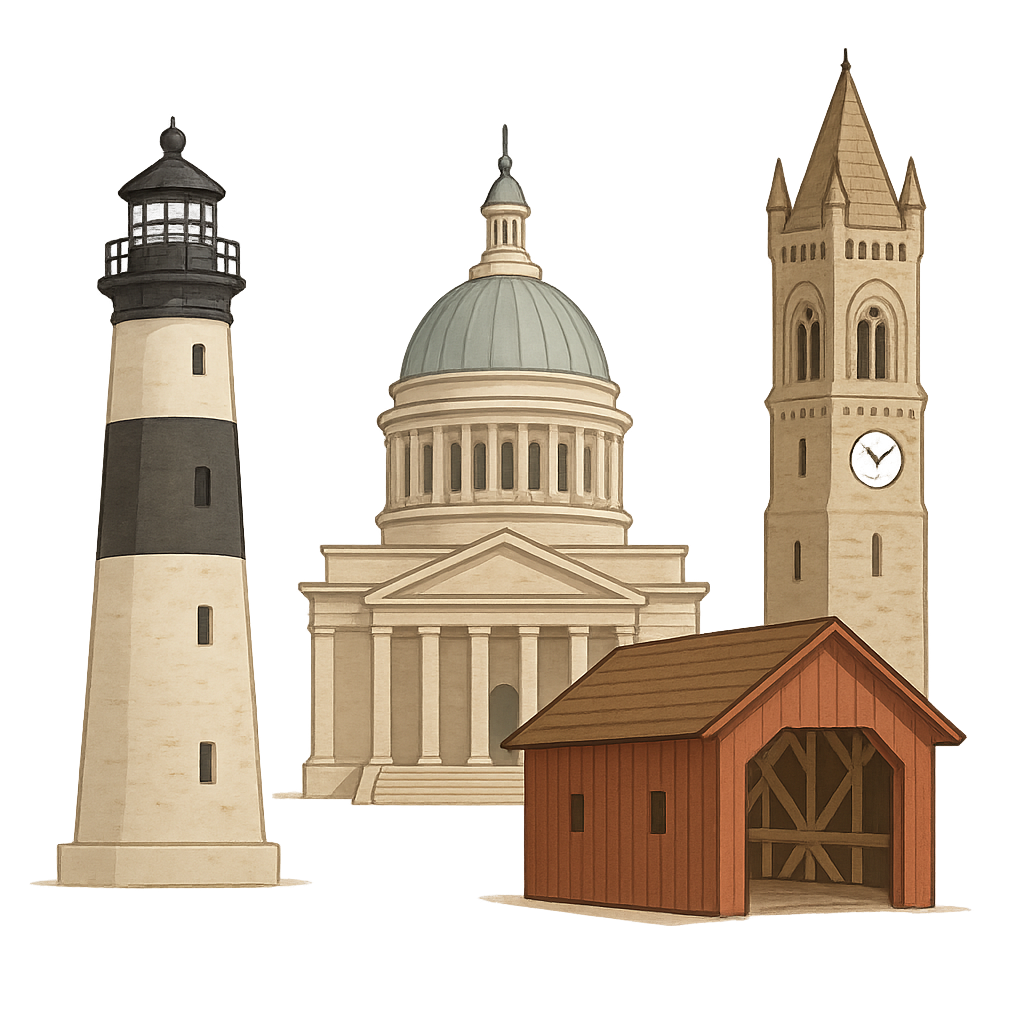
Feel the crisp autumn air as leaves paint my forests in fiery reds and brilliant golds. Imagine bundling up for winter, watching snowflakes blanket my mountains and quiet my busy cities. Then, smell the sweet scent of spring as flowers bloom in green valleys and hear the gentle waves of the Atlantic Ocean lap against my rocky shores in the warm summer sun. I am a place of bustling harbors, peaceful forests, and cities that reach for the sky. I am the Northeast of the United States.
Long before my cities were built, the first footprints on my soil belonged to people who understood me deeply. For thousands of years, Native American nations like the Wampanoag and the Iroquois called me home. They lived in harmony with my seasons, knowing the best times to plant corn, to hunt in my deep woods, and to fish in my rushing rivers and vast ocean. They saw the land not just as a place to live, but as a great provider and a sacred relative. Their stories and traditions are woven into the very fabric of my mountains and valleys, a history that is still alive today.
Then, my story took a sharp turn. In the year 1620, a ship called the Mayflower brought people from across the sea. These Pilgrims were looking for a new beginning. They faced great hardships but worked together to build small settlements that grew into busy towns and then into great cities like Boston and Philadelphia. As more people came, big ideas began to stir. People started talking about freedom and what it meant to rule themselves. These weren't just quiet talks. On December 16th, 1773, a group of colonists in Boston held the Boston Tea Party to protest unfair rules. This spark of defiance grew into a fire. In Philadelphia, on a hot summer day on July 4th, 1776, brave leaders signed the Declaration of Independence, a promise of a new nation built on the idea of liberty for all. I became the birthplace of a country.
As the new country grew, my rivers became my heartbeat. During the 19th century, their rushing waters powered giant machines in factories, and I became a hub of industry. Mills and workshops produced everything from cloth to tools, and my cities buzzed with the sound of busy hands and new inventions. It was in Boston in 1876 that Alexander Graham Bell made the very first telephone call. My shores also welcomed new voices from all over the world. Starting on January 1st, 1892, millions of immigrants passed through Ellis Island in New York Harbor. They carried little more than their suitcases and their dreams, but they brought with them new foods, music, and traditions that made my culture richer and more vibrant. They helped build my skyscrapers, my railroads, and my future.
Today, my story continues to unfold. You can walk down a cobblestone street where revolutionaries once planned for freedom and then look up to see a gleaming skyscraper touching the clouds. My historic spirit lives alongside the energy of the future. I am home to some of the world's most famous universities, where new ideas are born every day, and museums that hold the treasures of my long journey. People still come from all over the world, not just to see my history, but to become a part of my next chapter. I am a place that remembers its past while always looking forward, a land that proves how people from different backgrounds can come together to build a shared and hopeful story.
Activities
Take a Quiz
Test what you learned with a fun quiz!
Get creative with colors!
Print a coloring book page of this topic.