
 English
 For Schools
 For Homeschool

I Am the American Northeast
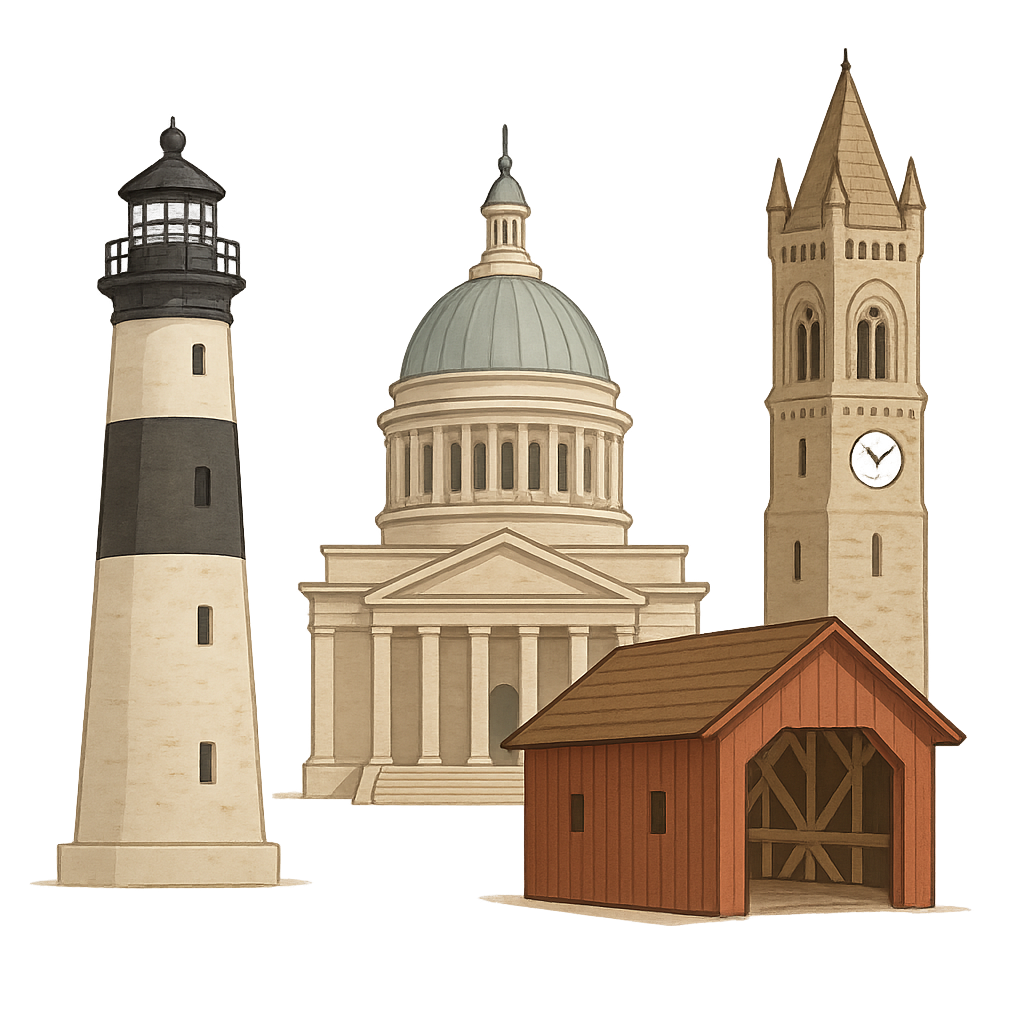
Listen closely, and you can hear my story in the rustle of leaves. In autumn, my forests blaze with red, orange, and gold, and the air is crisp with the scent of woodsmoke and fallen apples. Winter arrives with a quiet hush, blanketing my ancient mountains and small towns in a soft layer of snow. Then, spring bursts forth in a celebration of green as my rivers rush toward the sea, and wildflowers carpet the meadows. In summer, the salty spray of the Atlantic Ocean cools my rocky coastlines, while my great cities hum with the energy of millions. I am a place of deep forests and winding roads, of towering skyscrapers and quiet harbors. I am the Northeast of the United States.
My story began long before any ships crossed the ocean. For thousands of years, my lands were home to powerful and wise Indigenous nations. The Haudenosaunee, also known as the Iroquois Confederacy, built a remarkable system of governance based on peace and consensus that inspired future leaders. The Algonquin peoples thrived in my forests and along my coasts, living in deep harmony with the seasons. They understood my rhythms, my plants, and my animals, and their footprints marked the first human paths through my wilderness. Then, one day, the horizon changed. Tall ships with white sails appeared, carrying people from Europe. In the year 1620, a group known as the Pilgrims landed on my shores at a place they called Plymouth Rock. They were searching for a new life and the freedom to practice their beliefs. They, along with many others, began to build the Thirteen Colonies. Their early years were difficult, but they learned from the Wampanoag people how to survive. That first shared harvest feast, which you now call Thanksgiving, was a moment of connection, though the relationship between the newcomers and the Indigenous peoples would soon become filled with great challenges and deep sorrow.
As the colonies grew, a new feeling began to stir in the hearts of the people. It was a powerful desire for freedom, and it echoed through the cobblestone streets of my cities like Boston and Philadelphia. I became the cradle of a new nation. People gathered in my taverns and town halls, debating ideas of liberty and justice. This quiet rumbling grew into a roar. On the cold night of December 16th, 1773, a group of colonists in Boston, frustrated with unfair taxes, threw chests of tea into the harbor in an act of defiance known as the Boston Tea Party. The tension mounted until, on April 19th, 1775, the first shots of the American Revolution were fired in Lexington and Concord. It was called the 'shot heard 'round the world,' and it marked the beginning of a long fight for independence. The most brilliant minds of the time gathered in Philadelphia, and in my Independence Hall, they crafted a document that would change the world. On July 4th, 1776, they signed the Declaration of Independence, and with that, the United States of America was born from my soil.
My role as a leader did not end with the revolution. In the 19th century, I became a beacon of ideas and industry. My rivers, which once flowed freely through the wilderness, were harnessed to power the great textile mills and factories of the Industrial Revolution. The air filled with the sounds of progress—the whistle of steam engines and the clang of machinery. My cities grew taller and more crowded, lit by new inventions. During this time, I opened my arms to the world. Millions of immigrants, dreaming of a better life, sailed into my harbors. On January 1st, 1892, a special gateway called Ellis Island opened in New York, becoming a symbol of hope. These new arrivals from Ireland, Italy, Poland, and so many other places brought their languages, their foods, and their traditions, weaving a rich and vibrant new culture. They worked in my factories, built my subways, and helped me grow. At the same time, my great universities became centers of learning and knowledge, and my communities became the heartland for powerful movements fighting for the end of slavery and the right for women to vote.
Today, my story is a living, breathing thing. You can walk down a street in Boston and see a colonial-era church standing proudly in the shadow of a gleaming glass skyscraper. You can explore the quiet beauty of Acadia National Park in Maine and then feel the pulse of modern art and finance in New York City. I am a place where the past is always present, reminding everyone of the struggles and triumphs that shaped me. I am still a global center for science, education, and creativity, where new ideas are born every day. My story is constantly being written by the millions of people who call me home, each adding their own chapter. I invite you to walk my historic paths, explore my wild places, and listen to the echoes of my long and incredible journey. Perhaps you will even find your own story here, too.
Activities
Take a Quiz
Test what you learned with a fun quiz!
Get creative with colors!
Print a coloring book page of this topic.