

 English

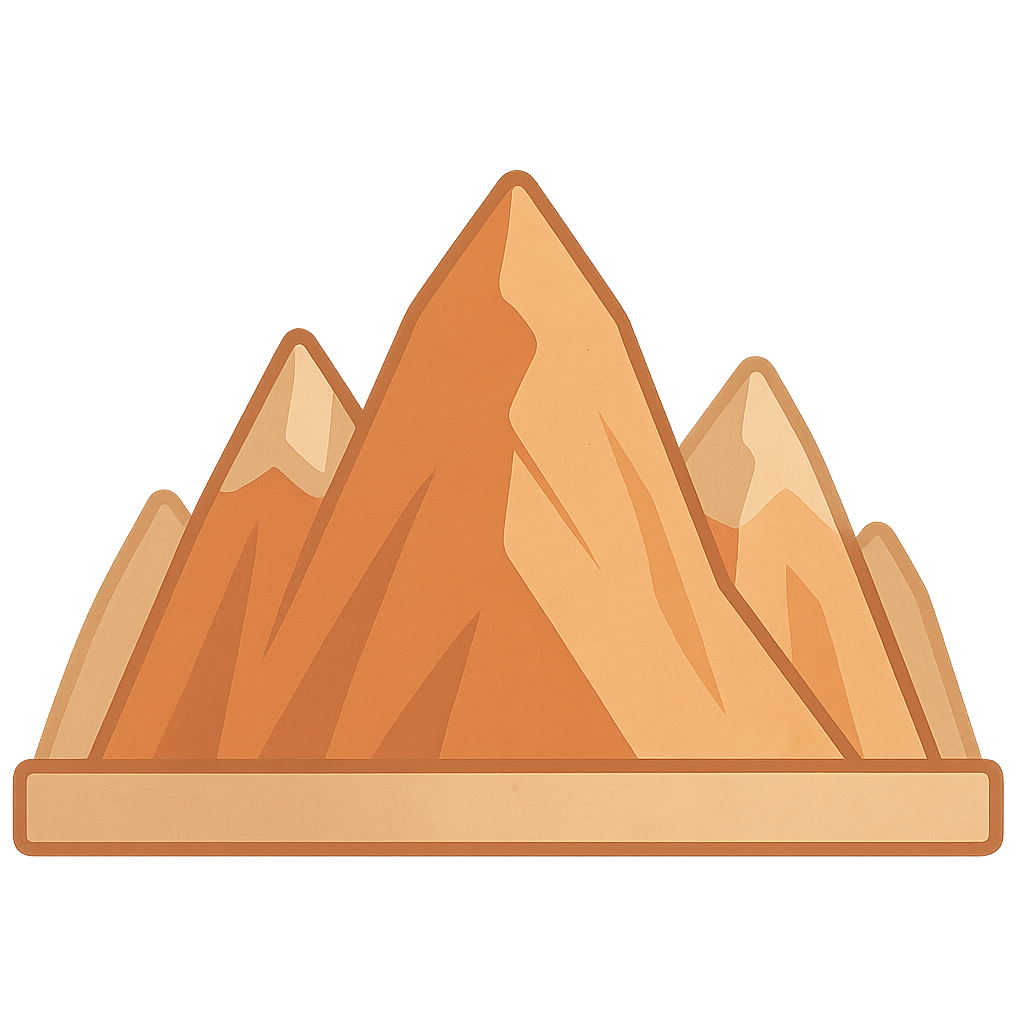
The Stony Spine of a Continent
I can feel the wind whistling through my highest passes, a song that only eagles and clouds can hear. Below, bighorn sheep leap from one rocky ledge to another, as sure-footed as the stones themselves. I stretch for thousands of miles, a great, stony spine running down the middle of a continent. My peaks scrape the sky, wearing crowns of snow even in the warmest summer months. Rivers are born in my high places, starting as tiny trickles of melted ice before growing into powerful waters that carve canyons on their journey to the sea. From a distance, I might look like a jagged blue line against the horizon, but up close, I am a world of giant forests, sparkling lakes, and valleys filled with wildflowers. For longer than any person can remember, I have watched the sun rise and set, a silent giant made of rock and time. I am the Rocky Mountains.
My story is written in layers of rock, pushed up from the deep earth millions of years ago. It began around 80 million years ago, when the giant plates that make up the Earth’s surface began to push and shove against each other. Slowly, over ages I can barely count, they crumpled and folded, lifting me higher and higher until my peaks touched the clouds. For a very long time, my only companions were the wind, the snow, and the animals. Then, the first people arrived. They were people like the Ute, the Shoshone, and the Blackfeet, who learned my secrets. They knew which plants were good for medicine, where the deer and elk would graze, and how to follow my hidden paths. They respected me, living within my forests and valleys, and their stories became woven into my own.
Much later, new faces appeared on the horizon. In the early 1800s, explorers named Meriwether Lewis and William Clark arrived, sent to map the vast lands of the west. They looked at my towering heights with a mix of wonder and worry. How could they ever cross such a barrier? Their journey would have been impossible without a brave Shoshone woman named Sacagawea. She knew the land because it was her home. With her baby on her back, she guided them through my treacherous passes, finding food and showing them the way. After them came the 'mountain men,' rugged trappers who braved my harsh winters, and then the pioneers, families in covered wagons who dreamed of a new life on the other side of me. My snowy storms and steep slopes were a great challenge, but their perseverance was even greater.
Today, my life is different but just as full. Many of my most spectacular parts are now protected for everyone to enjoy. Places like Yellowstone and Glacier National Parks in the United States, and Banff and Jasper in Canada, are safe havens for my wildlife and my wild beauty. Instead of pioneers seeking a new home, I see families on vacation and adventurers seeking a thrill. They hike along trails that wind through my forests, their laughter echoing in the clear air. In the winter, they glide down my snowy slopes on skis and snowboards. They camp beside my quiet lakes, watching the stars appear brighter than they can see from any city. I am no longer a barrier to be crossed, but a destination to be explored. I stand as a reminder of the wild, powerful, and beautiful world. I offer a place for quiet peace and grand adventure, and I will continue to inspire all who visit me for many, many years to come.
Activities
Take a Quiz
Test what you learned with a fun quiz!
Get creative with colors!
Print a coloring book page of this topic.







 Free for Educators