A Spine of Stone
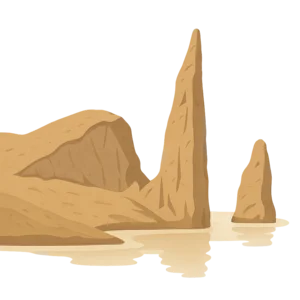
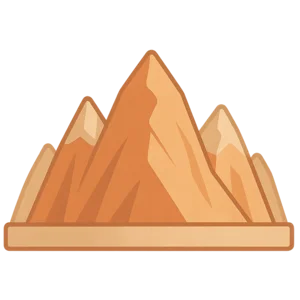
The wind howls across my highest peaks, a song that has been sung for millions of years. I feel the immense weight of winter snowpack settling into my crevices and the gentle touch of summer wildflowers blooming in my high meadows. From a distance, I am a jagged line of stone and ice scribbled against the sky, a massive wall running for thousands of miles down the spine of a continent. Forests of pine and aspen cover my slopes like a vast, green-and-gold cloak, and rivers born from my melting glaciers carve deep canyons into my sides. For ages, a slow, powerful rumbling deep within the Earth’s heart pushed me upward, layer by layer, toward the clouds. Before there were names, there was only my immense presence, a silent witness to the world changing around me. My peaks have greeted the sunrise for eons, and my valleys have cradled the moonlight. I have watched oceans retreat and empires of ice advance and withdraw. I am ancient, I am rugged, and I am wild. I am the Rocky Mountains.
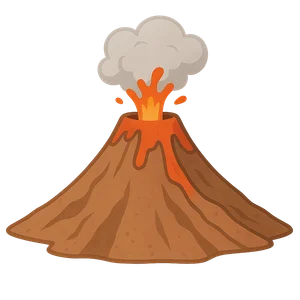
My story begins not with a single event, but with a great upheaval that took place over an incredible stretch of time. It started around 80 million years ago, during a period geologists call the Laramide orogeny. Imagine a slow, mighty push from deep within the planet, a force so powerful it caused the flat land to wrinkle and fold like a giant blanket being shoved from one end. This process was unbelievably slow; it took millions of years for my peaks to rise. I was also shaped by fire and ice. Volcanoes roared to life, spewing hot lava that cooled into hard, dark rock, adding to my height and complexity. Much later, during the Ice Ages, enormous rivers of ice called glaciers crept down my slopes. They acted like giant chisels, carving out the U-shaped valleys, sharp ridges, and sparkling, bowl-like lakes, called cirques, that you can see today. Long after the fire and ice had settled, the first people arrived. They were my first true companions. Thousands of years ago, they walked my trails, learned my seasons, and understood my rhythms. Tribes like the Ute, Shoshone, and Arapaho saw me not as an obstacle, but as a sacred home. They followed the paths of elk and bison, gathered plants from my forests for food and medicine, and knew the secrets of my hidden springs and sheltered caves. Their stories and spirits became woven into my very stone.
For centuries, my only human inhabitants were the Indigenous peoples who knew me so intimately. But then, new faces began to appear on the horizon, bringing with them new ideas and ambitions. I watched as the Lewis and Clark Expedition began their long journey on May 14th, 1804. They were tasked with exploring the vast, unknown lands of the west, and I was the greatest challenge they would face. They struggled over my steep passes, their progress slow and difficult. Their journey would have likely failed without the help of Sacagawea, a young Shoshone woman who knew the land. She guided them through my treacherous terrain, showing them which paths to take and how to find food. After them came the “mountain men,” rugged trappers who sought the valuable furs of beavers that lived in my cold streams. Then came the pioneers, traveling in long trains of covered wagons, drawn by promises of gold discovered in my creeks or the hope of fertile farmland on the other side. To them, I was a colossal barrier, a wall of rock that stood between them and their dreams. The challenge I presented inspired an incredible feat of engineering: the transcontinental railroads. Men blasted tunnels through my solid granite and built trestle bridges over my deep gorges, forever changing my landscape. This iron road connected a growing country, but it also brought immense change to the lives of the Indigenous people who had always called me home.
As the years passed and towns grew into cities at my feet, people began to see me differently. I was not just a challenge to be conquered or a resource to be used. They saw my breathtaking beauty, the wildness in my untamed peaks, and the importance of the life I supported. A new idea took hold: the idea of preservation. People realized that my forests, rivers, and wildlife needed to be protected for everyone, for all time. This led to the creation of the world's first national park, Yellowstone, established on March 1st, 1872, right in my heart. Many other parks and protected areas followed. Today, I am a playground for adventurers who ski my slopes and climb my cliffs. I am a living laboratory for scientists studying everything from climate change to the behavior of grizzly bears. Most of all, I am a quiet refuge for anyone seeking peace and a connection to the natural world. My story is written in stone and ice, but it continues with every person who hikes my trails, breathes my clean air, and dreams under my vast, starry skies. I am more than just a mountain range; I am a source of life, wonder, and endless inspiration. I inspiration, reminding everyone of the enduring power and beauty of our planet.
Reading Comprehension Questions
Click to see answer