
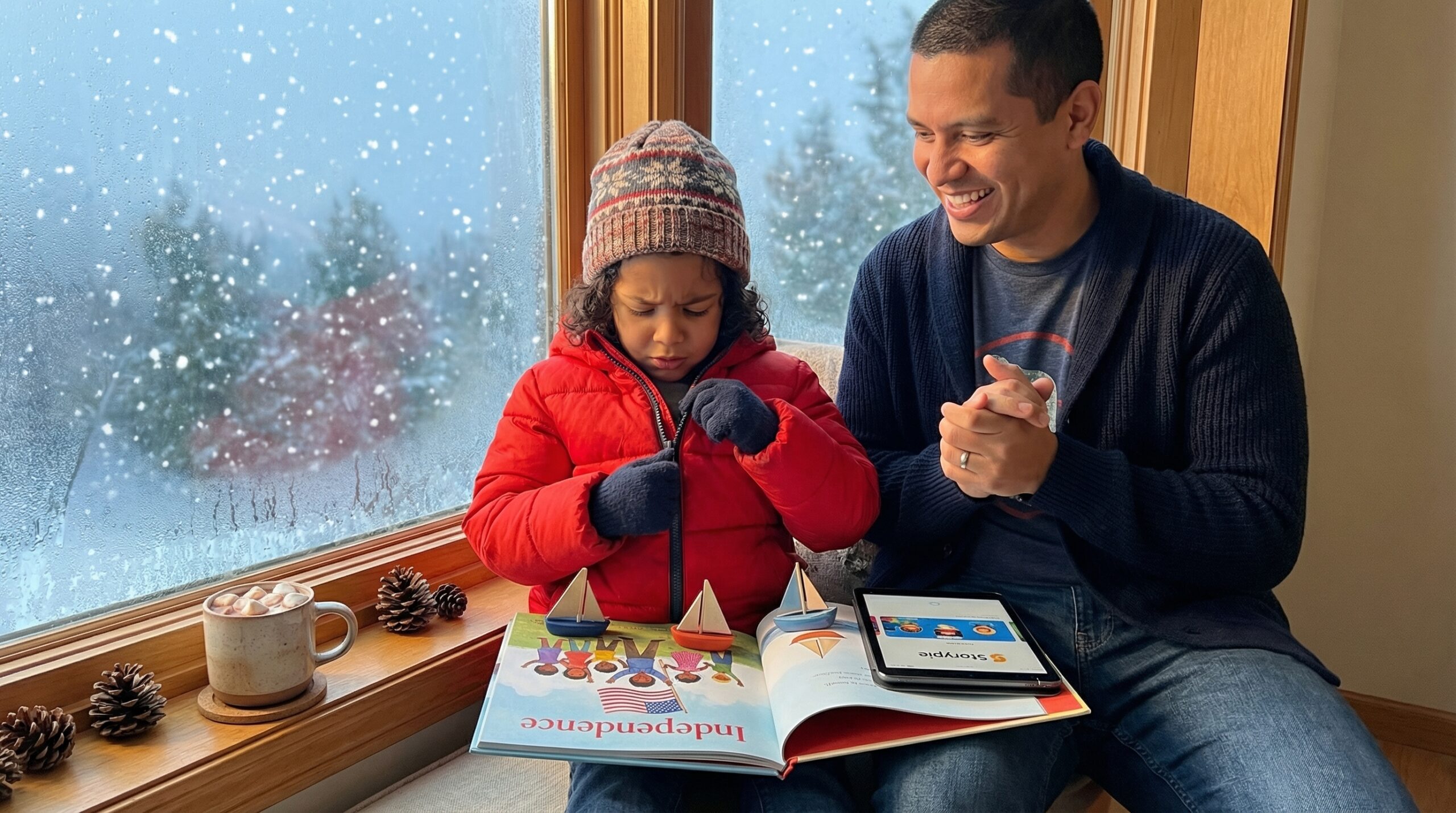
Independence for children starts with tiny, brave acts. It can be a child zipping a coat. It can be a child pouring cereal. These small wins build real confidence and a sense of responsibility.
What independence for children looks like at home
At home, independence means practical skills, self-care, and simple decision making. For example, a child putting on a jacket alone practices planning and motor control. Also, small tasks teach cause and effect.
National independence looks different but shares a lesson. Nations claim self-rule, make laws, and gain recognition. Both forms of independence grow from repeated choices and public acknowledgment. In fact, a recent survey showed that in 2025, 79% of Americans expressed concern that rising federal debt threatens the nation’s independence, reflecting how intertwined economic issues can be with the concept of sovereignty according to WalletHub.
History and a quick sweep of meaning
History gives clear examples of national independence. The United States declared independence on July 4, 1776, and won formal peace in 1783. India gained independence on August 15, 1947, through negotiation. After World War II, many Asian and African nations achieved sovereignty.
Independence can come through war, negotiation, or referendum. However, a declaration alone does not always make a functioning state. International recognition usually matters. The significance of this holiday is evident, as AAA projected that 72.2 million Americans would travel at least 50 miles from home during the Independence Day holiday period in 2025, marking an increase of 1.7 million travelers compared to the previous year and 7 million more than in 2019.
However, with increased travel comes increased risk. The National Safety Council estimated that 437 people might die on U.S. roads during the Independence Day holiday period in 2025, highlighting the importance of safety awareness during this time.
Why encourage independence for children
Small successes build resilience, problem-solving, and self-esteem. When children practice dressing or making a snack, they learn sequencing and emotional control. These steps also teach responsibility and courage.
- Typical milestones: dressing with help by age 2 to 3
- Buttons and zippers often by 4 to 5
- Tying shoelaces around 5 to 7
- Simple chores and small budgets by about age 10
Remember, these are guideposts not rules. Each child moves at their own pace.
Practical, safe steps parents and teachers can try
Keep instructions short and give limited choices. Scaffold first, then step back. Praise effort more than perfect results. Allow safe failures under supervision so children learn from trying again.
- Give one task to try alone today, such as zipping a coat or pouring cereal
- Break tasks into small steps and show each step first
- Offer two safe choices so the child feels in control
Also, widen freedom slowly as judgment grows. Balance practice with gentle supervision.
Balancing independence with interdependence
Teach cooperation along with autonomy. Cultural values shape how families mix independence and community responsibility. Emphasize shared chores and respect for rules while cheering the child who tries something new.
A tiny scenario
Imagine a five-year-old making a snack. They fumble with a spoon, spill a little, laugh, and try again. That spill is learning, not a mistake. It is a small classroom of resilience.
Read or listen to a story about Independence now: Read or listen to a story about Independence now: For 3-5 year olds, For 6-8 year olds, For 8-10 year olds, and For 10-12 year olds.
Finally, independence for children grows through small, repeated choices and thoughtful praise. Try one task today and watch confidence grow like a tiny, bright flame. Visit Storypie to explore related stories and activities.