English
 For Schools
 For Homeschool

The Emperor's March
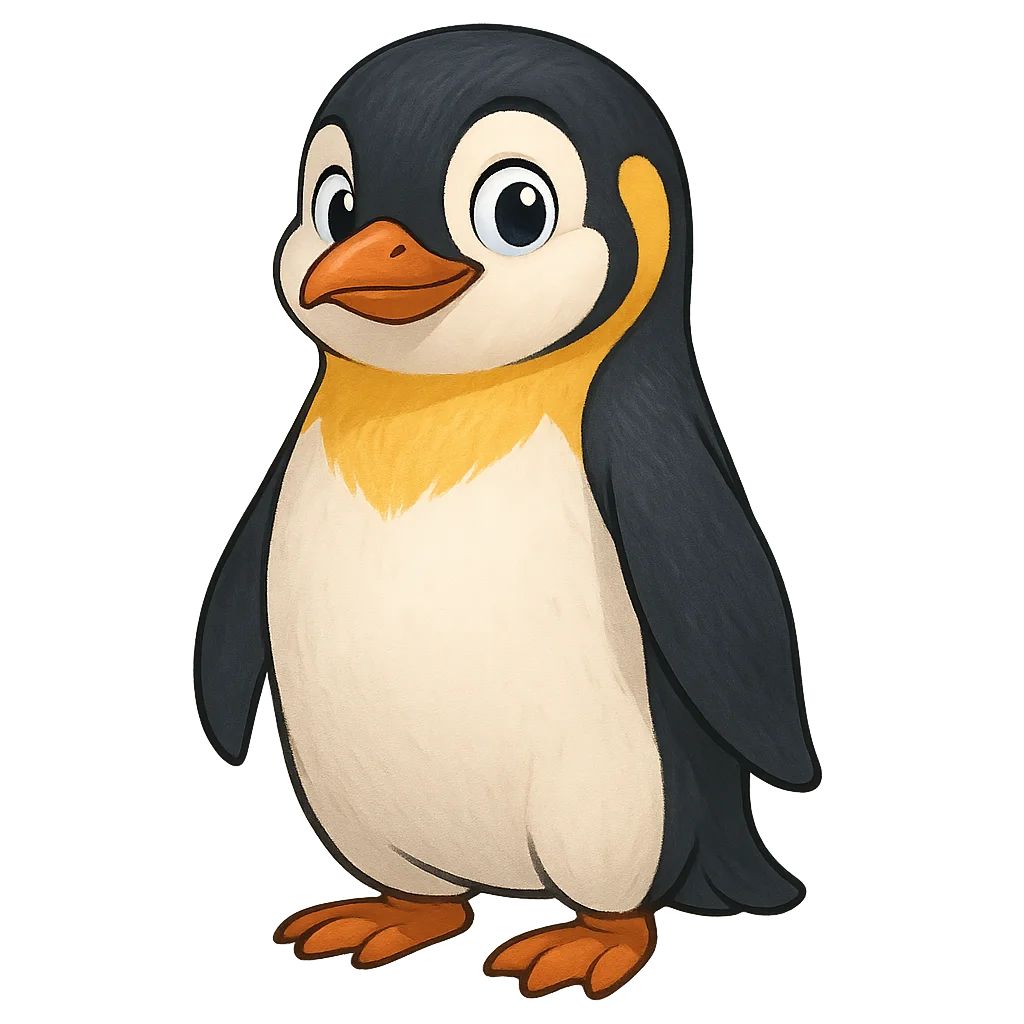
Hello there! My name is Aptenodytes forsteri, but you can call me an Emperor Penguin. I am the tallest and largest of all penguins. My life began in Antarctica, the coldest place on Earth. I didn't hatch in the warm sun; I hatched in the middle of a dark, freezing winter. For the first two months, my world was a safe, warm spot on top of my father’s feet. He stood with all the other fathers in a huge, tight group called a huddle. This protected us from the howling winds and unbelievably cold temperatures. While my dad kept me safe, my mom was on a very long journey to the ocean to find food for us. My family has been following this tradition for thousands of years, even before scientists gave my species its official name back in 1844.
The day my mother finally came back was the best! She had traveled a long way and returned with a belly full of tasty fish and krill just for me. Even among thousands of other penguins, she found us by using her unique call. After I ate my first big meal, it was my dad’s turn to make the long trip to the sea for food. As I grew bigger and my down feathers got fluffier, I joined a group with the other chicks. It was called a 'crèche,' which was like a big penguin daycare. We all huddled together to stay warm while our parents were away fishing. It was fun, but we always had to be careful and watch out for big birds called skuas. Before long, my fluffy baby feathers started to fall out in a process called molting, and my sleek, waterproof adult feathers grew in. This meant I was almost ready for the biggest adventure of my life.
When summer finally arrived in Antarctica around December, the ice started to break apart. It was time for me and the other young penguins to go to the sea for the very first time. I waddled to the edge of the ice, took a big breath, and jumped right in! The water was incredibly cold, but my special feathers kept me warm and dry. I discovered I was a natural swimmer. I used my wings like flippers to fly through the water, twisting and turning to catch yummy krill and silverfish. I learned that I could hold my breath for a very long time and dive deeper than any other bird on the planet. The ocean was exciting, but it was also filled with dangers. I had to learn to be very fast to escape the sharp teeth of leopard seals, which are one of our main predators. I spent the next few years swimming in the ocean, eating, and growing strong.
After about four years at sea, I felt a strong pull to return home. It was my time to find a mate and begin my own family. I left the water and started the long march inland across the sea ice, just like my parents did before me. I walked for days, following the same path my ancestors have used for generations. When I reached my colony, I used my own special call to find a partner. Together, we continued the amazing cycle of emperor penguin life. My mate laid one single, precious egg. And just as my father had done for me, I carefully balanced it on my feet to protect it from the cold ice while she made the long journey back to the sea for food. It is a very big responsibility, but it is the most important job an emperor penguin has.
My entire life is connected to the ice. We need the solid sea ice to lay our eggs and to raise our chicks safely. As a key part of the Antarctic food web, we also help keep the ocean's ecosystem balanced. Today, our icy world is changing, and the sea ice we rely on is shrinking. But there is still hope. People are learning more about us every day. In 2009, scientists using pictures from space discovered many new colonies of my penguin friends, which helped them understand us much better. By studying our long marches and our incredibly deep dives, you can learn about the health of our planet’s oceans. My story is a reminder of how amazing life can be, even in the harshest places, and why it is so important to protect our incredible, frozen home at the bottom of the world.
Activities
Take a Quiz
Test what you learned with a fun quiz!
Get creative with colors!
Print a coloring book page of this topic.