English

Fax Machine
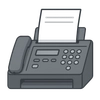
The fax machine, short for facsimile machine, is an invention that transmits scanned printed material…
Reads at Grades 3–5 Listens at Grades 1–5
Print & create
Answer keys·No prep·Free with an account
28 worksheets · answer keys · full story · quiz · Ages 8-10 · CEFR B1
Plus adds 279,000+ more stories in 27 languages, audio for every one, and printables for all of them.
Just want Fax Machine?
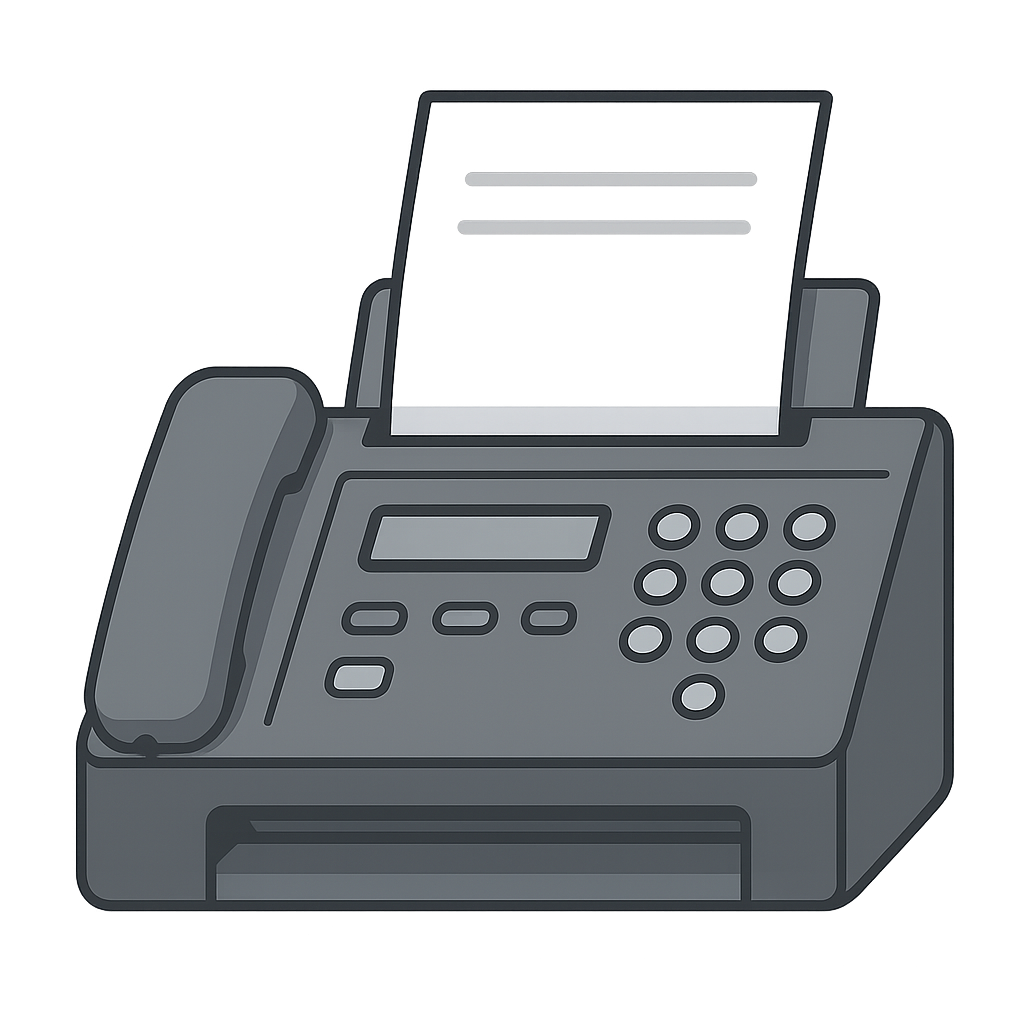
Hello from the Past! You might not know me, but my name is Fax Machine. Before I came along, the world felt much bigger and slower. Imagine you drew a beautiful picture for your friend who lived across the country. To send it, you would have to put it in an envelope, and it would travel on a train or even a ship for days, maybe even weeks. What if you needed to send an important document, like a map or a signature, right away? You couldn't. You just had to wait. Now, imagine you could take that same drawing, put it into a special slot, and have an exact copy appear at your friend’s house in just a few minutes. That was the magic I was born to create. I was the solution to a world that was tired of waiting, a bridge across long distances built from beeps and whirs.
My story begins with a very clever man, a Scottish clockmaker named Alexander Bain. You could say he was my father. Way back in 1843, long before telephones were even a dream, he had a brilliant idea. He knew a lot about pendulums, the swinging arms inside grandfather clocks that go tick-tock. He thought, what if a pendulum could read a picture instead of time? He built a machine where a pendulum with a tiny metal pin swung back and forth over a drawing. As the pin passed over the dark, inked parts of the drawing, it completed an electrical circuit and sent a little zap of electricity down a wire. At the other end of the wire, another pendulum swung in perfect time, recreating those zaps on a special piece of paper. It was slow and tricky, but it was the very first time a picture had ever traveled through a wire. It was the beginning of me.
The Tale of the Teleporting Picture
Hello from the Past! You might not know me, but my name is Fax Machine. Before I came along, the world felt much bigger and slower. Imagine you drew a beautiful picture for your friend who lived across the country. To send it, you would have to put it in an envelope, and it would travel on a train or even a ship for days, maybe even weeks. What if you needed to send an important document, like a map or a signature, right away? You couldn't. You just had to wait. Now, imagine you could take that same drawing, put it into a special slot, and have an exact copy appear at your friend’s house in just a few minutes. That was the magic I was born to create. I was the solution to a world that was tired of waiting, a bridge across long distances built from beeps and whirs.
My story begins with a very clever man, a Scottish clockmaker named Alexander Bain. You could say he was my father. Way back in 1843, long before telephones were even a dream, he had a brilliant idea. He knew a lot about pendulums, the swinging arms inside grandfather clocks that go tick-tock. He thought, what if a pendulum could read a picture instead of time? He built a machine where a pendulum with a tiny metal pin swung back and forth over a drawing. As the pin passed over the dark, inked parts of the drawing, it completed an electrical circuit and sent a little zap of electricity down a wire. At the other end of the wire, another pendulum swung in perfect time, recreating those zaps on a special piece of paper. It was slow and tricky, but it was the very first time a picture had ever traveled through a wire. It was the beginning of me.
Mr. Bain's idea was like planting a seed. Over the next few decades, other smart people helped that seed grow. A man from Italy named Giovanni Caselli took the idea and made it much better. In the 1860s, he created my ancestor, a machine he called the Pantelegraph. It was so reliable that he started the world’s first public fax service between the cities of Paris and Lyon in France. For the first time, people could pay a fee to send a copy of their signature or a small drawing to another city instantly. But my big moment, the time I really started to become famous, was when I learned to work with my cousin, the Telephone. Once I could send my signals over regular telephone lines instead of special telegraph wires, everything changed. I became faster, cheaper, and easier for everyone to use.
My busiest days were in the 1980s and 1990s. I was the star of every office. You would have recognized my song anywhere. It started with a dialing tone, followed by a series of beeps and a loud, screeching sound as I connected with another machine far away. Then came the quiet, satisfying whir as a warm sheet of paper, smelling faintly of ink, slowly slid out of my tray, carrying a message from across town or across the world. I had so many important jobs. I sent urgent contracts that sealed business deals in minutes. I helped reporters send breaking news stories back to their editors just in time for the morning paper. I even delivered birthday drawings from children to their grandparents, connecting families who lived far apart. I was the sound of business, news, and love, all rolled into one.
Today, you live in a world of email and smartphones, where you can send a picture with a single tap. You don't see me in offices very often anymore, and my familiar screech is mostly a memory. But don't be sad for me, because my legacy, the core of my idea, is more alive than ever. Every time you use a scanner to copy a document to a computer, you are using my technology. Every time you take a photo on a phone and send it to a friend, you are using the same basic idea that Alexander Bain dreamed up with his swinging pendulum. I showed the world that images could fly through the air and across wires. I am a reminder that even an old idea, powered by creativity and persistence, can spark a revolution that changes how we connect with each other forever.
Wow facts
About
The fax machine, short for facsimile machine, is an invention that transmits scanned printed material, like text or images, over telephone lines to a printer or other output device at a remote location.
Take a Quiz
Question 1 of 5
The story says Alexander Bain's invention sent 'electrical pulses through a wire.' What does the word 'pulses' mean in this sentence?
Explore next






Want to do even more?
Go beyond exploring. Unlock tools that turn every story into real learning.

Storypie Plus for families
Full stories, quizzes, and printables. Nights and car rides, sorted.
- Unlimited audio stories
- Create Mode: your child stars in the story
- Offline downloads
- Printable worksheets & coloring pages

Why Storypie for Schools
Students engaged. Prep in seconds. Evenings back to you.
- Worksheets & Quizzes
- Classroom Management
- Formative Assessment
- Custom Curriculum & Lesson Plans
- 27 Languages

Why Storypie for Homeschool
Curriculum done. They'll ask for more. Hours back in your day.
- Worksheet Generator
- First-Person Audio Stories
- Built-in Comprehension Quizzes
- Custom Curriculum & Lesson Plans
- Print & Go Activities