English

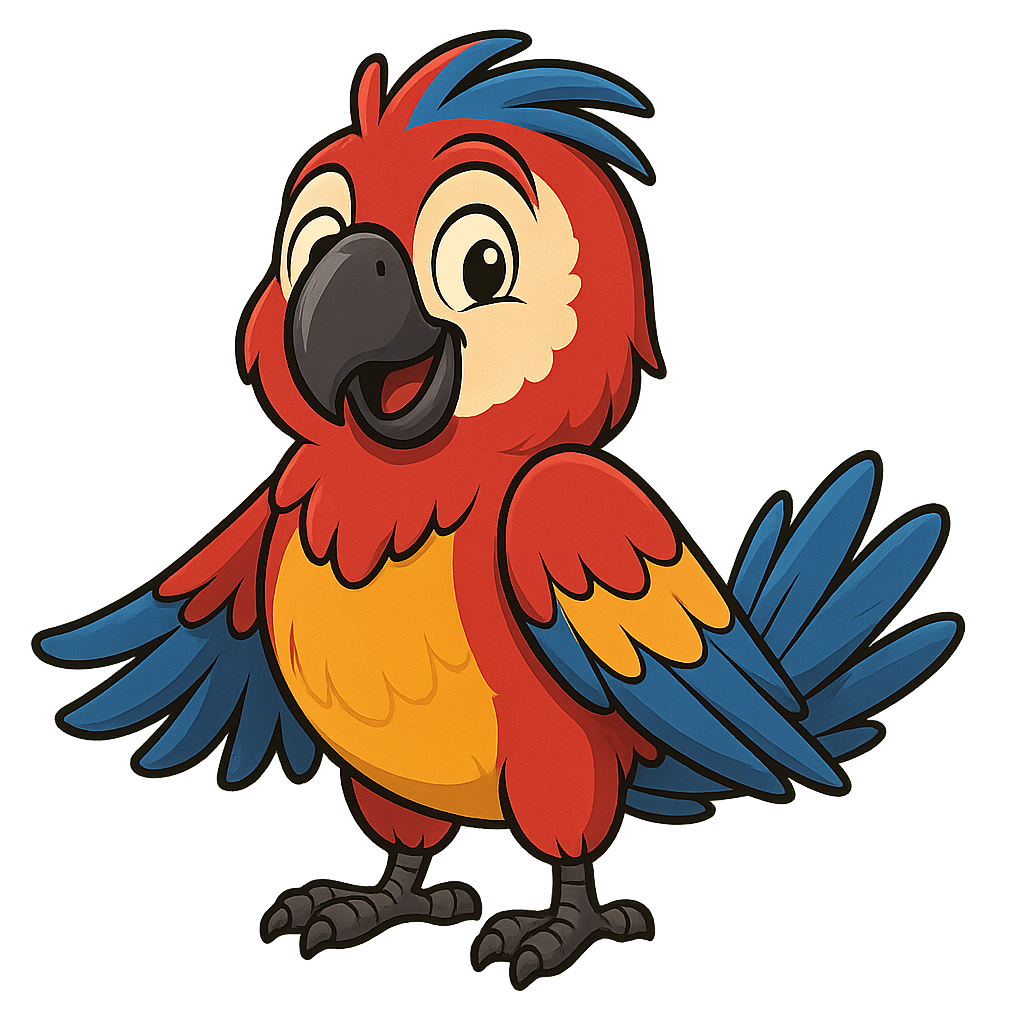
A Macaw's Story: The Rainbow of the Rainforest
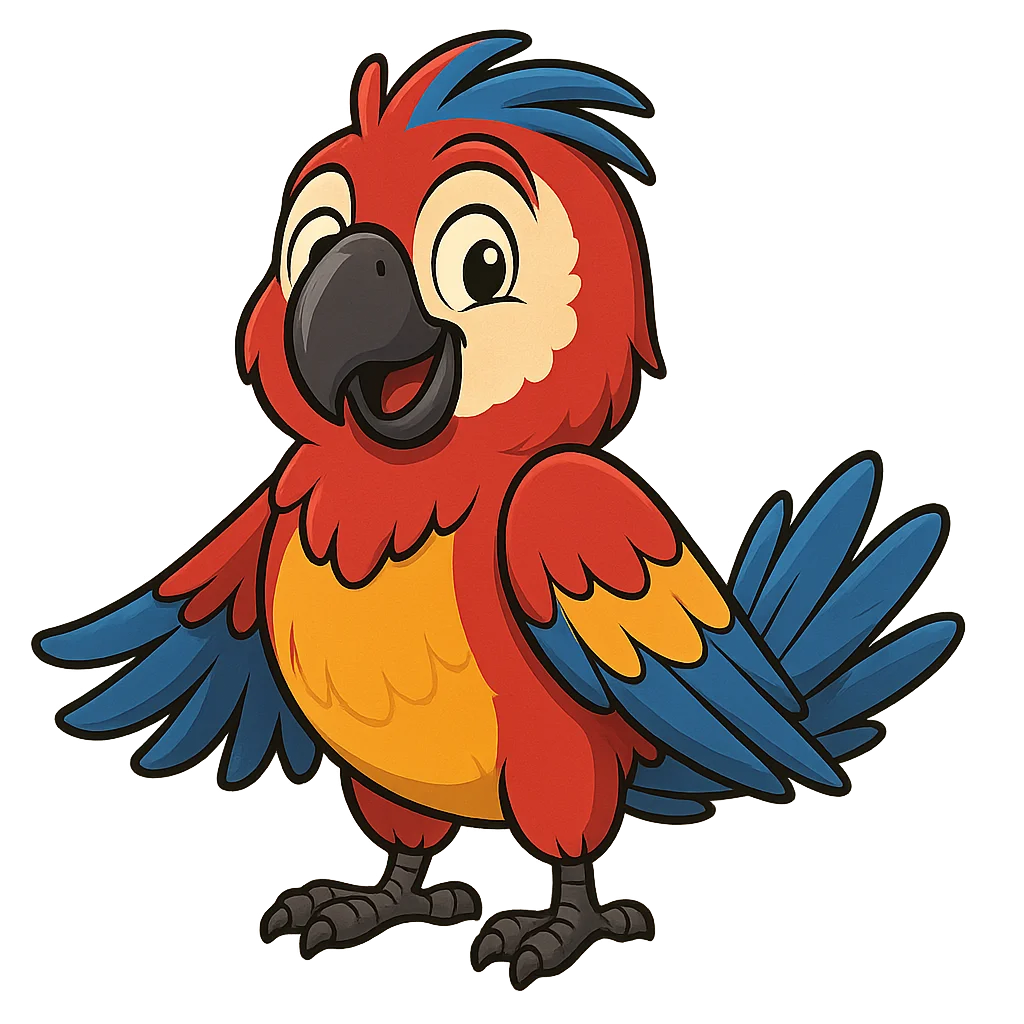
Hello from the treetops! I am a Macaw, and my home is high in the canopy of the Amazon rainforest in South America. If you were to look up, you might see me as a flash of brilliant color against the endless green. My feathers are a rainbow of red, yellow, and blue, and my long, sweeping tail trails behind me like a banner when I fly. My world is a lush, vibrant place, filled with the constant symphony of animal sounds—the buzz of insects, the calls of monkeys, and the songs of countless other birds. From my perch, I see everything. With my powerful wings, I love the feeling of soaring above the trees, looking down on the green world that stretches out like a vast carpet below me. This rainforest is not just where I live; it is my entire world.
My days are busy and social, as I am part of a large and very noisy family. We macaws mate for life, so I always have my partner by my side. We live together in a flock of up to thirty other macaws, and we are rarely quiet. We communicate with one another using a series of loud squawks and calls that echo for miles through the forest, letting everyone know where we are and what we are doing. A big part of our day is spent searching for food. My beak is one of my most important features; it is incredibly strong, designed to be the perfect tool for cracking open the toughest nuts and seeds that other animals can't manage. Together, our flock travels from tree to tree, searching for the ripest fruits and the best seeds to sustain us through the day.
While finding food is essential for my survival, it also allows me to perform a very important job for my entire ecosystem. You could call me a gardener of the forest, or a 'seed disperser'. As I fly from one feeding spot to another, I am not always perfectly neat. I often carry fruits and nuts with me, and sometimes I drop the seeds on the forest floor. These seeds can land miles away from the tree they originally came from. By doing this, I help new trees and plants grow in different parts of the rainforest, ensuring that the forest remains healthy and full of diverse life. It fills me with a sense of purpose to know that my daily meals are helping to plant the future of my forest home, one dropped seed at a time.
A Complicated Friendship with Humans
My relationship with humans is a long and complicated one. For centuries, the Indigenous peoples of the rainforest have admired my vibrant feathers, using them in their ceremonies and art. My kind has been a part of their world for as long as anyone can remember. It was around 1553 that the first Europeans wrote about seeing us, and suddenly, people from all over the world became aware of our existence. Unfortunately, this newfound attention brought great danger. During the 20th century, two major threats began to challenge our survival. The illegal pet trade led to many of us being captured, and deforestation—the clearing of my forest home for farming and other human activities—shrank the world we had to live in. To understand how serious this is, you only need to hear the sad story of my cousin, the Spix's Macaw. In the year 2000, it was declared extinct in the wild, a powerful and heartbreaking example of what is at stake for all of us.
Legacy & Remembering
Despite these challenges, my story is also one of hope. Starting in the late 1900s, many people began to understand the danger we were in and dedicated themselves to protecting us. Today, there are many conservation projects working to keep us safe. These projects help create protected reserves where our forest homes cannot be cut down, and they work hard to fight against the illegal trade that threatens us. Some of these efforts even help my relatives return to parts of the wild where they had disappeared. I am a living symbol of the Amazon rainforest's incredible beauty and its fragility. My bright colors serve as a constant, vivid reminder to everyone that these magnificent forests, and all the creatures that live within them, are precious and worth protecting for all the generations to come.