English
 For Schools
 For Homeschool

An Orca's Song
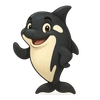
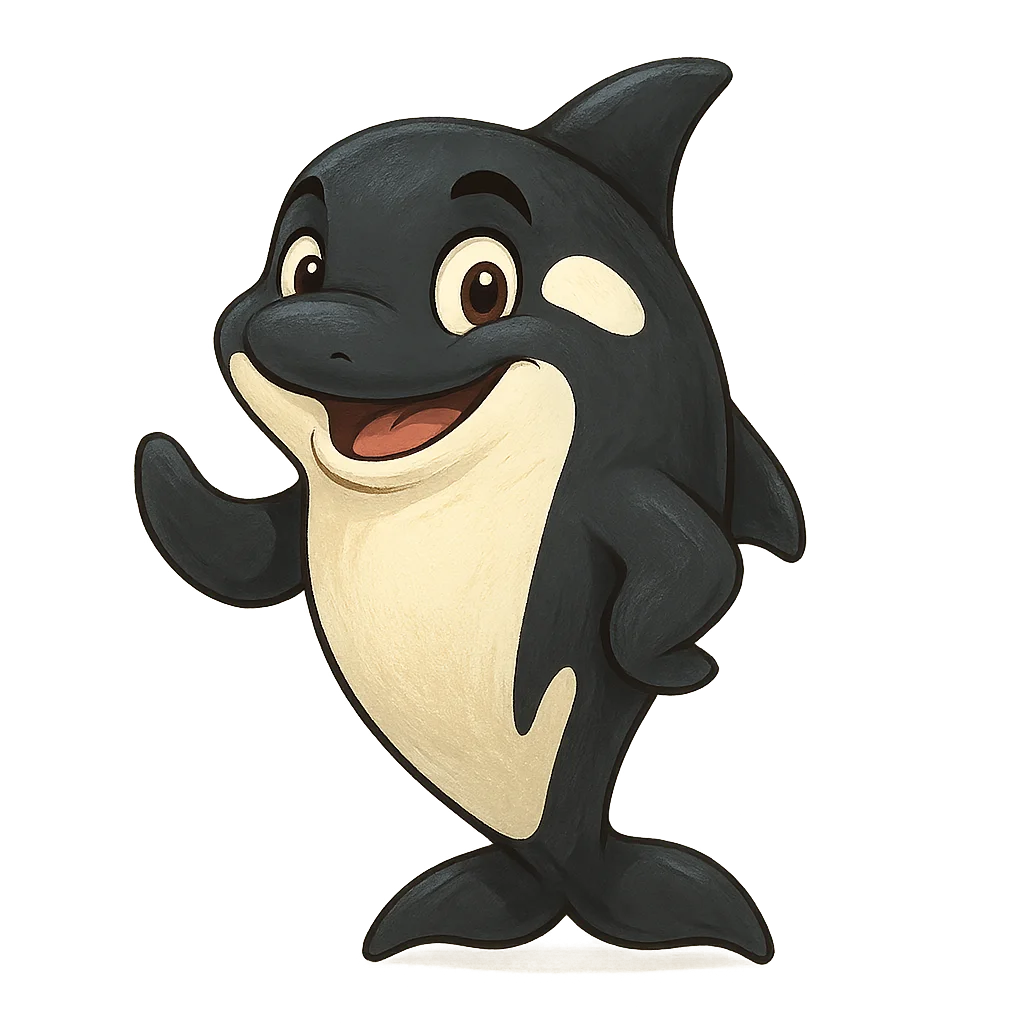
Hello. You might know me as a killer whale, but my proper name is Orca, and I want to share my story with you. I was born into the cool, green waters of the Pacific Ocean, into a family that travels together for its entire life. My world is my pod, a close-knit group made up of my mother, my aunts, my cousins, and our wise leader, my grandmother. We are bound by family ties that are incredibly strong, and she guides us with knowledge passed down through many generations. From my very first breath at the ocean's surface, I was surrounded by a world of sound. We don't speak with voices like you do; our language is a complex symphony of clicks, whistles, and pulsed calls. It is how we navigate, find food, share stories, and keep track of one another across the vast, blue expanse of our home. Each pod, like mine, has its own unique dialect, a special accent that tells other orcas exactly who we are and where we come from. This song is our heritage, a tradition that connects me directly to my ancestors who swam these same waters long before the first ships ever sailed them.
Being an apex predator means I am at the very top of the food chain, and a significant part of my life is dedicated to the hunt. We never hunt alone; for my family, teamwork is the key to survival. My pod, the Southern Resident killer whales, are specialists. We are particular eaters, and our most prized meal is the large, fatty Chinook salmon. To find them, we rely on a remarkable sense called echolocation. I send out a series of rapid clicks from my head, and these sound waves travel through the water. By listening to the echoes that bounce back, I can form a detailed picture of the world in my mind, allowing me to “see” even in the darkest, deepest waters. Significant advancements in understanding killer whale diversity occurred during the 1970s and 1980s, but research is ongoing. They discovered that other pods, known as Transients or Bigg's killer whales, have a completely different culture. They prefer to hunt marine mammals like seals and sea lions, using stealth and surprise. This discovery showed the world that we each have our own traditions, perfectly adapted to our unique environments.
My ocean home has not stayed the same as it was for my ancestors. Over many years, life has become more challenging for my family. The delicious Chinook salmon we depend on have become scarce. The rivers where they are born have been altered by human activity, and as their populations decline, there is less food for us. Another challenge is the noise. The ocean is much louder now than it was in my grandmother's youth. The constant rumble from large ships interferes with our echolocation, making it difficult to hunt. It also drowns out our calls, making it harder to communicate with each other. Furthermore, pollutants from cities and farms find their way into the water and accumulate in our food, which can make us sick. These combined struggles led to a significant moment in our history. On November 18th, 2005, my family, the Southern Resident killer whales, was officially listed as an endangered species in the United States. It was a frightening designation, but it also meant that more people began to understand our situation and started working to help us.
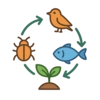
Despite these challenges, I have a vital role to play in my ocean home. As an apex predator, I help maintain the balance of the entire ecosystem. A thriving orca population often reflects a healthy marine ecosystem, but it also depends on factors like reduced human disturbances and effective conservation efforts. My existence is a reminder that everything in this blue world is connected, from the smallest fish to the largest whale. The hopeful part of my story is that many humans are now dedicated to protecting us. They are working to restore salmon habitats, developing ways to make ships quieter, and passing laws to clean up pollution. They learned a great deal after passing important legislation like the Marine Mammal Protection Act back in 1972. My story is still being written every day. I continue to swim, to hunt with my family, and to sing the song of my pod. I am a living symbol of the wild, beautiful, and powerful ocean, and I hold hope for the future of my home.
Activities
Take a Quiz
Test what you learned with a fun quiz!
Get creative with colors!
Print a coloring book page of this topic.