English

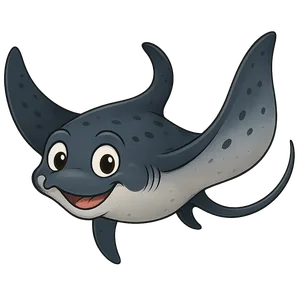
Giant Manta Ray
The Giant Manta Ray (Mobula birostris) is the world's largest species of ray, known for its vast wingspan…
Reads at Grades 3–5 Listens at Grades 1–5
Print & create
Answer keys·No prep·Free with an account
28 worksheets · answer keys · full story · quiz · Ages 8-10 · CEFR B1
Plus adds 244,000+ more stories in 27 languages, audio for every one, and printables for all of them.
Just want Giant Manta Ray?
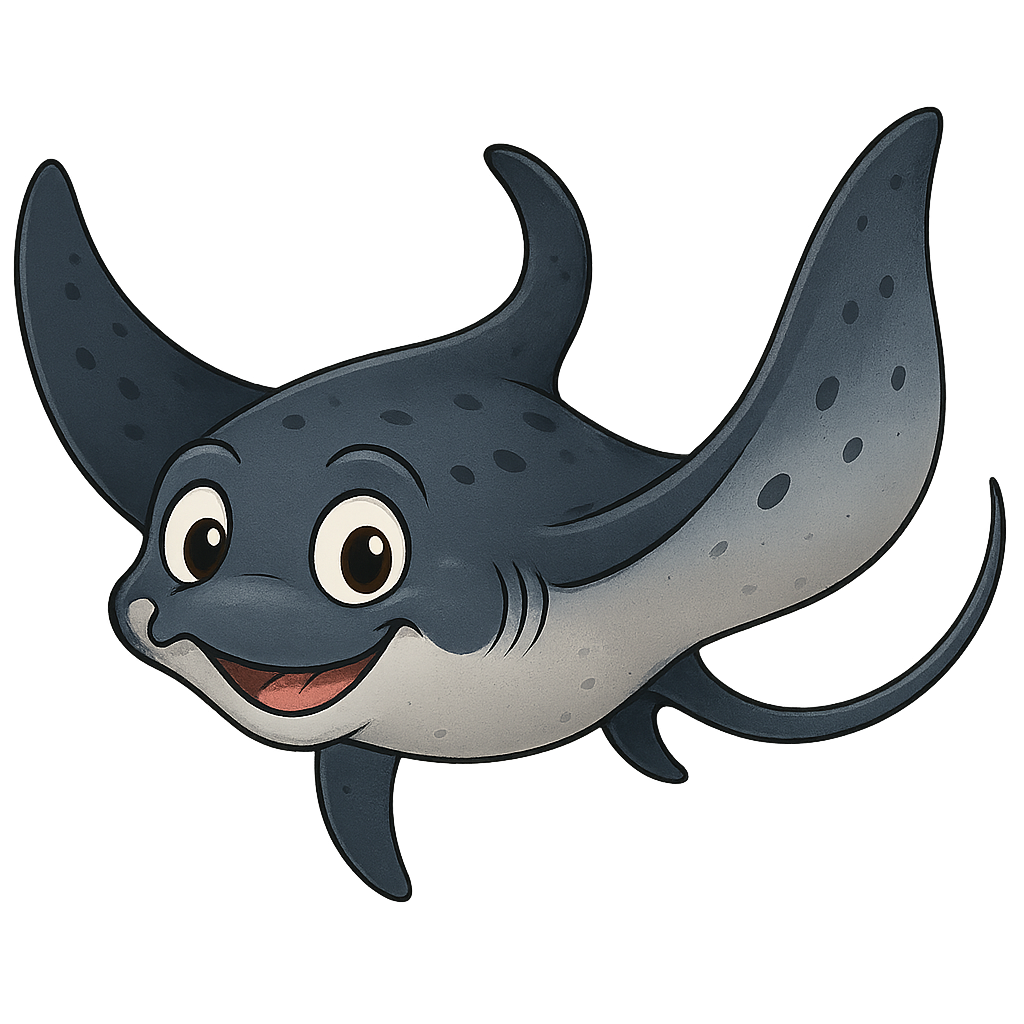
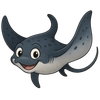
Hello from the big blue! My name is Manta, and I am a Giant Manta Ray, one of the gentlest and largest fish in the entire ocean. You could say I’m a soaring giant. My massive, wing-like fins, called pectoral fins, can stretch wider than a car, helping me glide through the water as if I were flying through the sky. If you were to swim underneath me, you would see a special pattern of spots on my belly. This pattern is completely unique to me, just like a human’s fingerprint is unique to them. It’s how my friends and scientists can tell me apart from other mantas. My species has been known to humans for a very long time. In fact, scientists officially gave us our scientific name in 1792. For a while, some people called us 'devil fish' because of the two horn-shaped fins on my head. But they aren’t scary at all. These fins are called cephalic lobes, and they are very important because they help me guide delicious food right into my mouth.
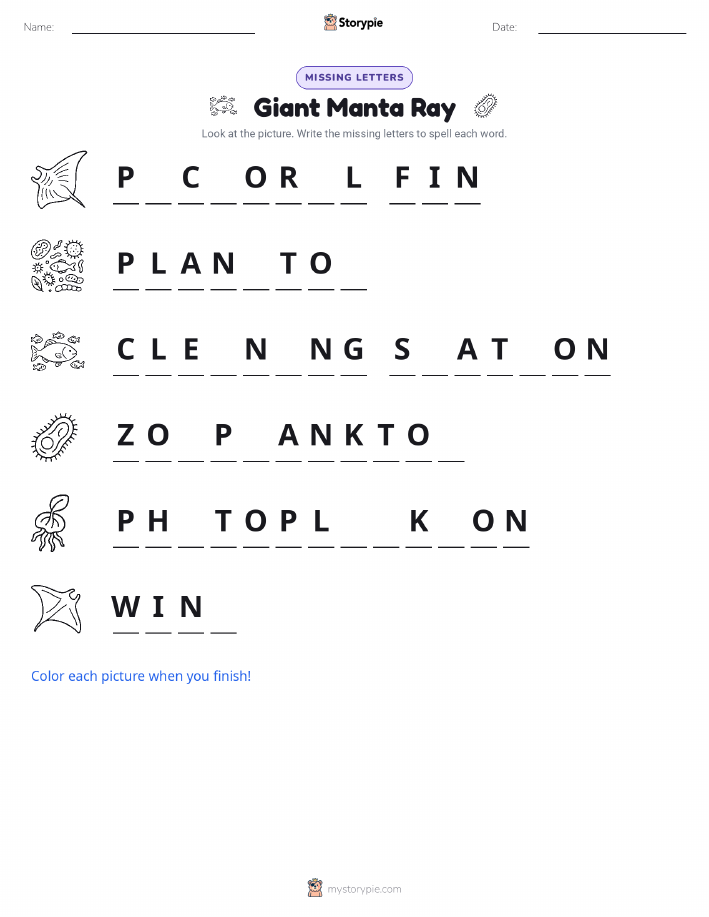
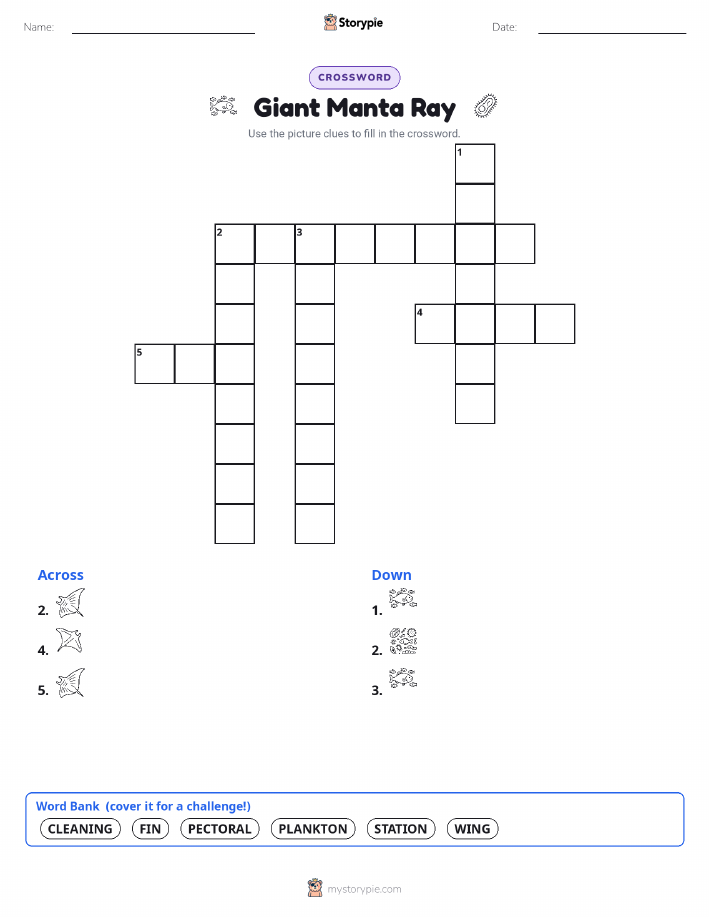
I spend my days soaring through the warm, open waters of the world's oceans, traveling long distances on the currents. Life out here is a grand adventure. When it’s time to eat, I don't chase after big fish. I am what you call a filter-feeder. My diet consists of tiny, almost invisible creatures called zooplankton. To catch my meals, I glide through the water with my mouth wide open. I use my special cephalic lobes, those fins on my head, to unfurl and create a funnel. This funnel guides the plankton-rich water directly into my mouth, where I filter out my food. It’s a very efficient way to eat. Something else you might find interesting is that my species has the biggest brain of any fish. This big brain makes us very smart and curious creatures. We love to investigate new things in our environment and are known to be quite playful, sometimes leaping out of the water in a spectacular display.
A Giant Manta Ray's Ocean Journey
Hello from the big blue! My name is Manta, and I am a Giant Manta Ray, one of the gentlest and largest fish in the entire ocean. You could say I’m a soaring giant. My massive, wing-like fins, called pectoral fins, can stretch wider than a car, helping me glide through the water as if I were flying through the sky. If you were to swim underneath me, you would see a special pattern of spots on my belly. This pattern is completely unique to me, just like a human’s fingerprint is unique to them. It’s how my friends and scientists can tell me apart from other mantas. My species has been known to humans for a very long time. In fact, scientists officially gave us our scientific name in 1792. For a while, some people called us 'devil fish' because of the two horn-shaped fins on my head. But they aren’t scary at all. These fins are called cephalic lobes, and they are very important because they help me guide delicious food right into my mouth.
I spend my days soaring through the warm, open waters of the world's oceans, traveling long distances on the currents. Life out here is a grand adventure. When it’s time to eat, I don't chase after big fish. I am what you call a filter-feeder. My diet consists of tiny, almost invisible creatures called zooplankton. To catch my meals, I glide through the water with my mouth wide open. I use my special cephalic lobes, those fins on my head, to unfurl and create a funnel. This funnel guides the plankton-rich water directly into my mouth, where I filter out my food. It’s a very efficient way to eat. Something else you might find interesting is that my species has the biggest brain of any fish. This big brain makes us very smart and curious creatures. We love to investigate new things in our environment and are known to be quite playful, sometimes leaping out of the water in a spectacular display.
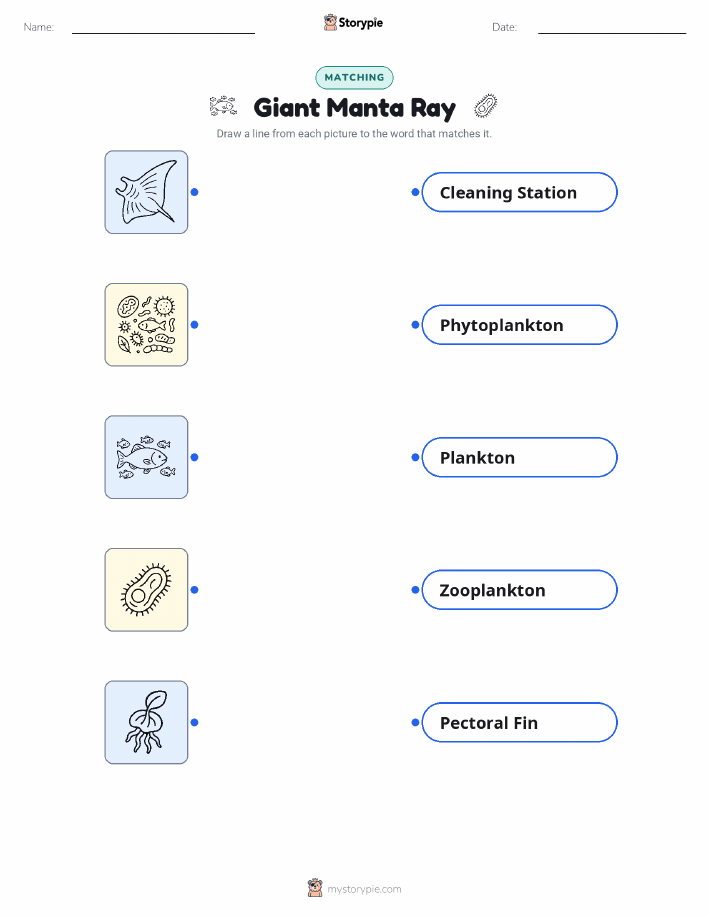
Even though I travel far and wide, I'm not always alone. Sometimes, I swim with other manta rays, gliding together in small groups. One of my very favorite things to do is visit a 'cleaning station.' These are special spots on coral reefs where I can get a little pampering. I swim up to the reef and hover very still, letting small fish called cleaner fish swim all over my body. These little helpers are amazing. They nibble off any pesky parasites or dead skin that might be bothering me. It feels wonderful, just like a spa day. While my giant size keeps me safe from most ocean animals, I still have to be careful. I am always aware of my surroundings because large predators, like certain big sharks or groups of orcas, can be a danger. So, I keep a watchful eye out as I glide through my ocean home.
My life in the ocean is beautiful, but my kind faces some big challenges. Sometimes, we get accidentally caught in fishing nets, which can be very dangerous for us. Another problem is plastic pollution, which harms the ocean we all share. Humans have started to notice these problems. Around the year 2011, people began to give my species special protections in different parts of the world to help keep us safe. However, because our numbers were still getting smaller, we were officially listed as an endangered species around the year 2020. My role in the ocean is important. Giant manta rays feed on plankton and contribute to nutrient cycling in the ocean, but their exact role in maintaining the food web balance is not fully understood. I hope my story inspires you to learn more about the ocean. By working together, people can help protect me and my amazing ocean home for many years to come.
Wow facts
About
The Giant Manta Ray (Mobula birostris) is the world's largest species of ray, known for its vast wingspan, intelligence, and gentle filter-feeding nature. It inhabits tropical and temperate waters globally and is currently listed as an endangered species by the IUCN and as a threatened species under the U.S. Endangered Species Act.
Take a Quiz
Question 1 of 5
What is the main purpose of the horn-shaped fins, or cephalic lobes, on the manta ray's head?
Explore next





Want to do even more?
Go beyond exploring. Unlock tools that turn every story into real learning.

Storypie Plus for families
Full stories, quizzes, and printables. Nights and car rides, sorted.
- Unlimited audio stories
- Create Mode: your child stars in the story
- Offline downloads
- Printable worksheets & coloring pages

Why Storypie for Schools
Students engaged. Prep in seconds. Evenings back to you.
- Worksheets & Quizzes
- Classroom Management
- Formative Assessment
- Custom Curriculum & Lesson Plans
- 27 Languages

Why Storypie for Homeschool
Curriculum done. They'll ask for more. Hours back in your day.
- Worksheet Generator
- First-Person Audio Stories
- Built-in Comprehension Quizzes
- Custom Curriculum & Lesson Plans
- Print & Go Activities