English


María Reiche
María Reiche was a German-born Peruvian mathematician and archaeologist famous for her research into and…
Reads at Grades 3–5 Listens at Grades 1–5
Print & create
Answer keys·No prep·Free with an account
28 worksheets · answer keys · full story · quiz · Ages 8-10 · CEFR B1
Plus adds 164,000+ more stories in 27 languages, audio for every one, and printables for all of them.
Just want María Reiche?
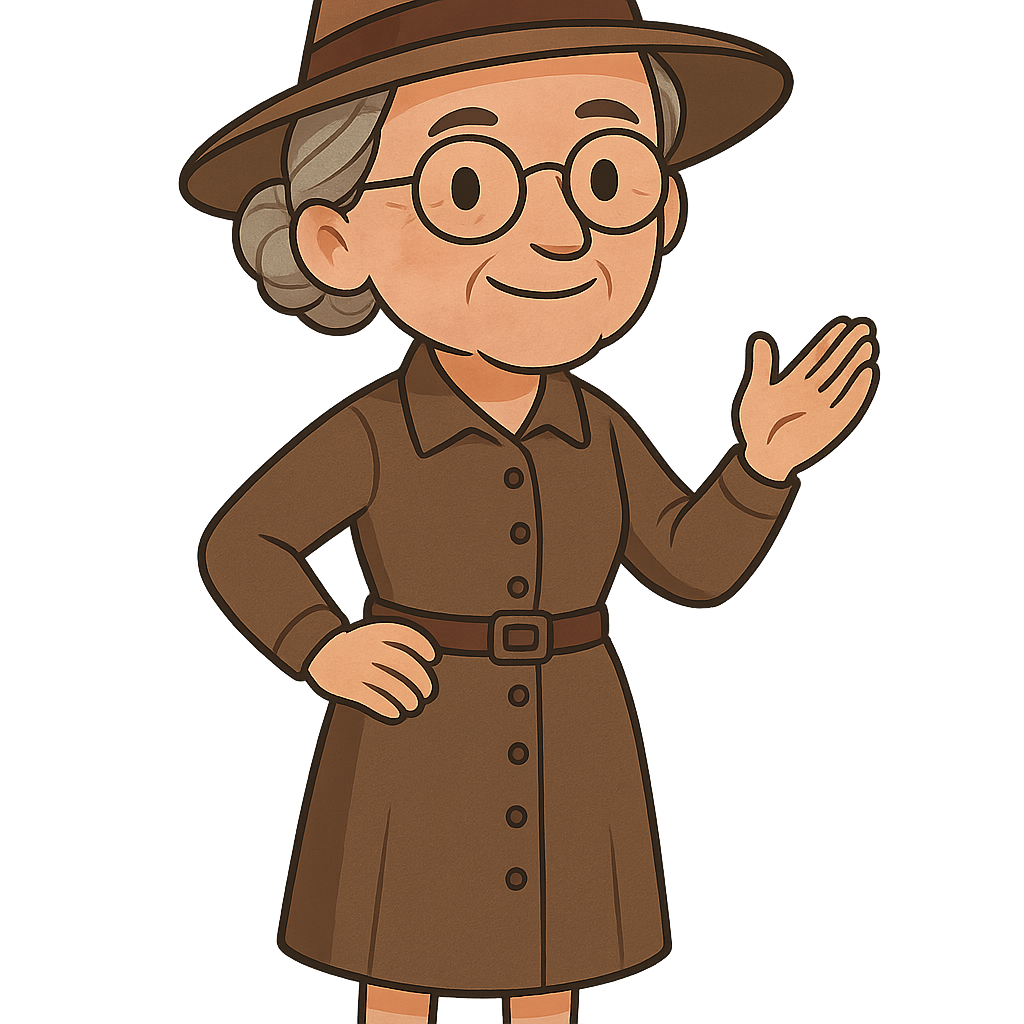
Hello! My name is María Reiche. I was born far away from the desert, in a city called Dresden, Germany, on May 15th, 1903. As a girl, I loved to learn. I was fascinated by numbers, stars, and maps, which led me to a university where I studied mathematics, astronomy, and geography. In 1932, I took a big trip across the ocean to a beautiful country called Peru to work as a teacher. I had no idea that this new country held a giant secret that would change my life forever.
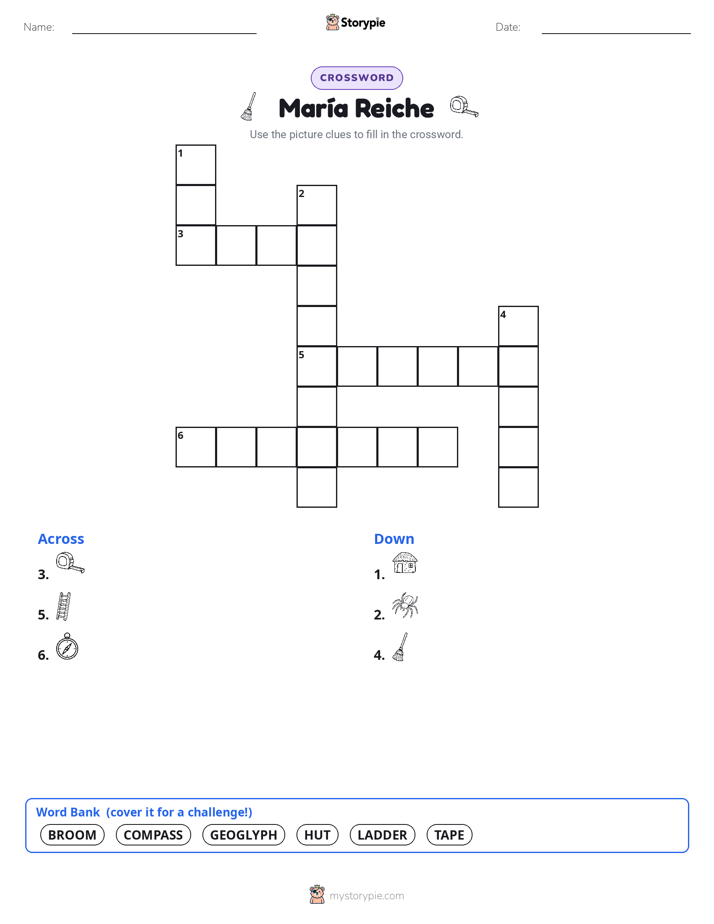
One day in 1939, I met a historian named Paul Kosok. He was studying huge, mysterious drawings made on the desert floor. When I saw them for the first time, I was amazed. There were giant pictures of a monkey, a spider, and a hummingbird, along with long, perfectly straight lines. These shapes were all carved into the ground by people who lived hundreds of years ago. I started working with Paul as his assistant in 1941. When he had to leave Peru a few years later, I knew I couldn't. I felt a strong connection to this puzzle, and I had to be the one to solve the mystery of the Nazca Lines.
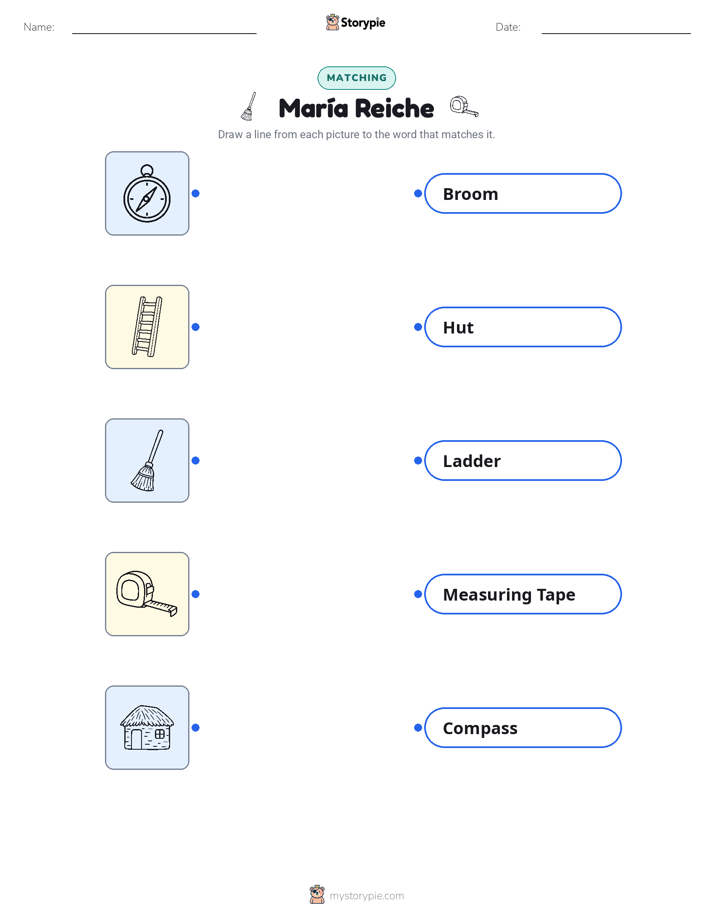
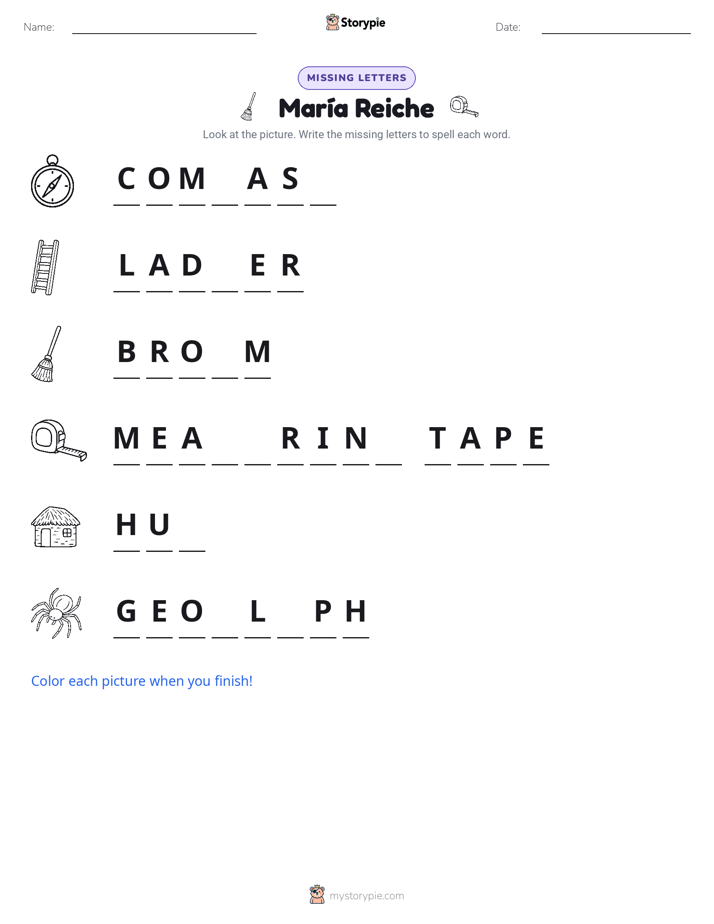
The Nazca Desert became my home and my office for the next fifty years. I lived in a small hut so I could be close to the lines that I loved. The local people soon began calling me 'The Lady of the Lines.' Every day, I would go out with my simple tools: a broom to gently sweep away sand, a tape measure to record distances, and a ladder to climb so I could see the giant shapes better from a higher view. I carefully measured and mapped hundreds of these amazing figures. After years of study, I believed the lines were a giant astronomical calendar. I thought they helped the ancient Nazca people track the sun and stars to know the best times to plant and harvest their food.
María Reiche: The Lady of the Lines
Hello! My name is María Reiche. I was born far away from the desert, in a city called Dresden, Germany, on May 15th, 1903. As a girl, I loved to learn. I was fascinated by numbers, stars, and maps, which led me to a university where I studied mathematics, astronomy, and geography. In 1932, I took a big trip across the ocean to a beautiful country called Peru to work as a teacher. I had no idea that this new country held a giant secret that would change my life forever.
One day in 1939, I met a historian named Paul Kosok. He was studying huge, mysterious drawings made on the desert floor. When I saw them for the first time, I was amazed. There were giant pictures of a monkey, a spider, and a hummingbird, along with long, perfectly straight lines. These shapes were all carved into the ground by people who lived hundreds of years ago. I started working with Paul as his assistant in 1941. When he had to leave Peru a few years later, I knew I couldn't. I felt a strong connection to this puzzle, and I had to be the one to solve the mystery of the Nazca Lines.
The Nazca Desert became my home and my office for the next fifty years. I lived in a small hut so I could be close to the lines that I loved. The local people soon began calling me 'The Lady of the Lines.' Every day, I would go out with my simple tools: a broom to gently sweep away sand, a tape measure to record distances, and a ladder to climb so I could see the giant shapes better from a higher view. I carefully measured and mapped hundreds of these amazing figures. After years of study, I believed the lines were a giant astronomical calendar. I thought they helped the ancient Nazca people track the sun and stars to know the best times to plant and harvest their food.
As more people learned about the lines from my work, I grew very worried. Cars were driving over them, and people walking on them could erase these ancient drawings forever. I knew I had to protect them. It became my personal mission to be their guardian. Sometimes, I would stand by the highway to stop cars from getting too close. I even used my own money to hire guards to help me watch over the area. I wrote letters to the government of Peru and told everyone who would listen how important it was to save this special place for the future.
My hard work helped the world understand how special the Nazca Lines are. In 1994, they were named a UNESCO World Heritage Site, which means they are protected for everyone to see and study in the future. The country of Peru became my true home, and I officially became a Peruvian citizen in 1992. I lived to be 95 years old, and I spent my life looking after the desert's giant drawings. Today, people remember me for protecting this ancient mystery, and because of my work, the incredible Nazca Lines are still there for you to wonder about.
Wow facts
About
María Reiche was a German-born Peruvian mathematician and archaeologist famous for her research into and lifelong protection of the Nazca Lines in Peru.
Take a Quiz
Question 1 of 5
What tools did María Reiche use to study the Nazca Lines every day?
Explore next



Want to do even more?
Go beyond exploring. Unlock tools that turn every story into real learning.

Storypie Plus for families
Full stories, quizzes, and printables. Nights and car rides, sorted.
- Unlimited audio stories
- Create Mode: your child stars in the story
- Offline downloads
- Printable worksheets & coloring pages

Why Storypie for Schools
Students engaged. Prep in seconds. Evenings back to you.
- Worksheets & Quizzes
- Classroom Management
- Formative Assessment
- Custom Curriculum & Lesson Plans
- 27 Languages

Why Storypie for Homeschool
Curriculum done. They'll ask for more. Hours back in your day.
- Worksheet Generator
- First-Person Audio Stories
- Built-in Comprehension Quizzes
- Custom Curriculum & Lesson Plans
- Print & Go Activities