

 English

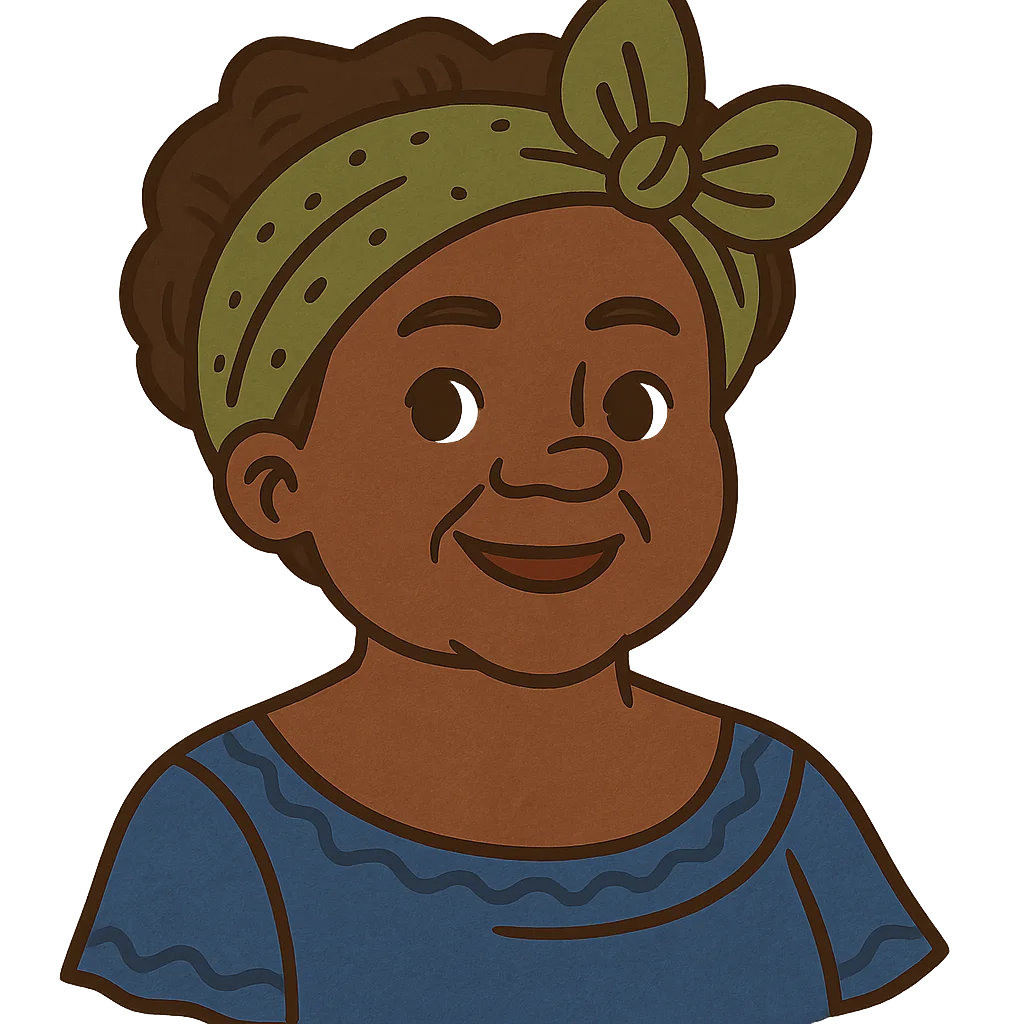
The Woman Who Planted Trees
Hello, my name is Wangari Maathai, and I want to tell you the story of how my love for the Earth helped me change my country. I was born on April 1st, 1940, in the beautiful green highlands of Kenya, a country in Africa. My home was a small village surrounded by lush forests and sparkling streams. As a little girl, my playground was the whole world. I would help my mother in our garden, digging my fingers into the rich, dark soil to plant seeds for our food. She taught me that the Earth was a gift that we must care for. I remember the giant fig tree near our home; we called it the “Tree of God.” It was a sacred place, and its deep roots seemed to hold the whole community together. My mother told me stories that taught me to respect nature and all living things. In my village, it was not common for girls to go to school, but my older brother convinced my parents to let me go. I was so excited. I learned to read and write, and a whole new world opened up to me. Every book I read was like planting a new seed of knowledge in my mind.
As I grew older, my thirst for knowledge grew, too. I studied so hard that I earned a chance to do something amazing: travel all the way to America for college in the 1960s. It felt like I was flying to another planet. The buildings were so tall, and life was so different from my quiet village. I studied science, learning all about plants and animals. After many years of learning, I returned home to Kenya, expecting to see the green forests and clear streams of my childhood. But my heart broke when I saw what had happened. Many of the trees were gone, cut down for firewood and to make room for buildings. The streams I remembered were muddy or had dried up completely. The land looked tired and sick. The women of the villages told me they had to walk farther and farther to find wood for their cooking fires, and the soil was too poor to grow enough food. I knew I had to do something, so I went back to school in Kenya and, in 1971, I became the first woman in my region of Africa to earn a Ph.D. This achievement wasn't just for me; it gave me the confidence to believe that I could find a way to heal my home.
I realized the solution was simple, but powerful. We had to bring the trees back. On Earth Day in 1977, I took a few tree seedlings and planted them in a small park. That was the beginning of my big idea, which I called the Green Belt Movement. At first, it was just me and a few other women. I showed them how to collect seeds from the remaining trees, how to grow them in small nurseries, and then how to plant them in the ground. For every tree they planted that survived, I would give them a small amount of money. This helped their families, but more importantly, it gave them power. They were not just planting trees; they were planting hope. Soon, our small group grew. Women all over Kenya started planting trees. We were like an army of mothers, healing the scars on our land one seedling at a time. But not everyone liked what we were doing. Some powerful people wanted to keep cutting down forests. They called me a troublemaker. It was scary, but I knew I had to be brave and stand up for the trees, because they could not speak for themselves. I knew we were doing the right thing for our children and for the future.
Our little movement grew into a forest of change. The women of the Green Belt Movement planted over 30 million trees in Africa. The trees provided shade, food, and firewood. Their roots held the soil in place and helped the streams run clear again. Then, in 2004, I received a phone call that changed my life. I had won the Nobel Peace Prize. I was the first African woman to ever receive this honor. People asked me, “What do trees have to do with peace?” I told them that when we destroy our environment, we fight over resources like water and good land. But when we protect our environment, we create a world where everyone has enough. Planting a tree is an act of peace. My life came to an end on September 25th, 2011, but my work continues every time someone plants a seed. Remember, no matter how small you feel, you have the power to make a big difference. Just like a tiny seed can grow into a mighty tree, your small actions can help heal our world.
Activities
Take a Quiz
Test what you learned with a fun quiz!
Get creative with colors!
Print a coloring book page of this topic.














 Free for Educators