English

Wangari Maathai
Kenyan social, environmental…
Reads at Grades K-2 Listens at K–3
Print & create
Answer keys·No prep·Free with an account
28 worksheets · answer keys · full story · quiz · Ages 6-8 · CEFR A2
Plus adds 290,000+ more stories in 27 languages, audio for every one, and printables for all of them.
Just want Wangari Maathai?
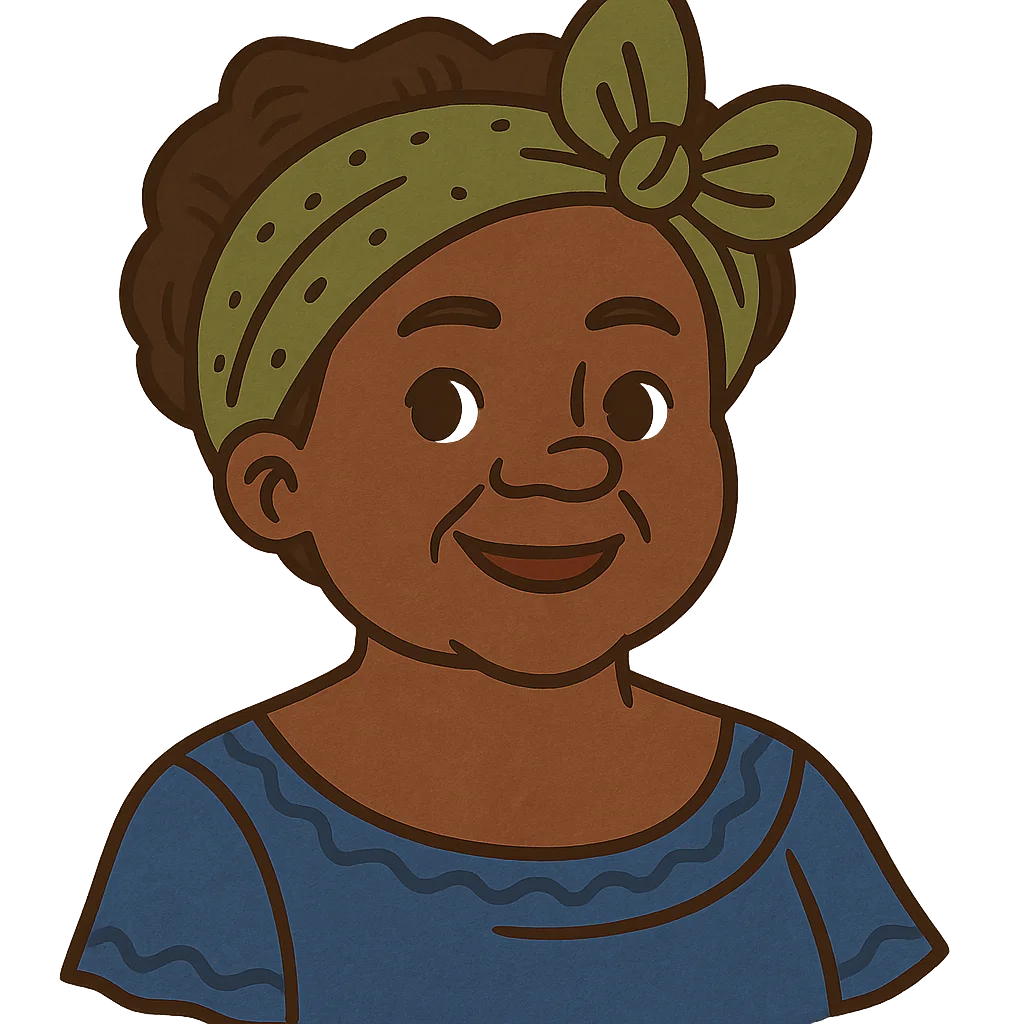
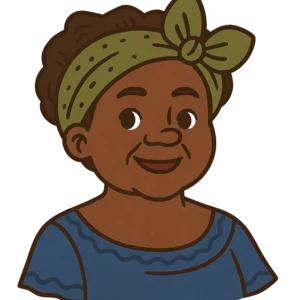
Hello. My name is Wangari Maathai, and I want to tell you my story. I grew up in a beautiful, green village in Kenya, a country in Africa. My world was filled with tall trees, singing birds, and sparkling streams. I had what you might call 'green thumbs,' which means I loved to make things grow. I was my mother's little helper in our garden, where we grew food for our family. I would dig my fingers into the rich, dark soil and carefully plant tiny seeds, waiting patiently for them to sprout. My favorite place to play was under the branches of a giant fig tree. It felt magical, like a wise old friend watching over our village. I also loved to visit the nearby stream, where the water was so clear you could see straight to the bottom. I would spend hours watching tiny tadpoles wiggle and dance in the water. Being surrounded by nature made my heart feel full and happy, and I knew, even as a little girl, that I wanted to protect it forever.
I was very lucky because I got to go to school and learn all about the world. I studied so hard that I even got to travel all the way to a country called America to go to a special college. I learned about plants, animals, and how everything in nature works together like a big team. I was so excited to bring all my new knowledge back home to Kenya. But when I returned, my heart felt heavy and sad. My beautiful green village was gone. Many of the forests had been cut down, leaving the land bare. The clear streams I loved were now muddy and slow. The women in my village told me they had to walk farther and farther to find firewood for cooking, and there wasn't enough healthy food for their children. Seeing this, I thought, 'I must do something.' Then, a simple idea popped into my head, like a little seed. What if we planted trees? Trees could give us shade, fruit to eat, and wood for our homes. Their roots would hold the soil in place and help make the streams run clear again. It was a small idea, but I knew it could grow into something big.
Wangari Maathai: The Woman Who Planted Trees
Hello. My name is Wangari Maathai, and I want to tell you my story. I grew up in a beautiful, green village in Kenya, a country in Africa. My world was filled with tall trees, singing birds, and sparkling streams. I had what you might call 'green thumbs,' which means I loved to make things grow. I was my mother's little helper in our garden, where we grew food for our family. I would dig my fingers into the rich, dark soil and carefully plant tiny seeds, waiting patiently for them to sprout. My favorite place to play was under the branches of a giant fig tree. It felt magical, like a wise old friend watching over our village. I also loved to visit the nearby stream, where the water was so clear you could see straight to the bottom. I would spend hours watching tiny tadpoles wiggle and dance in the water. Being surrounded by nature made my heart feel full and happy, and I knew, even as a little girl, that I wanted to protect it forever.
I was very lucky because I got to go to school and learn all about the world. I studied so hard that I even got to travel all the way to a country called America to go to a special college. I learned about plants, animals, and how everything in nature works together like a big team. I was so excited to bring all my new knowledge back home to Kenya. But when I returned, my heart felt heavy and sad. My beautiful green village was gone. Many of the forests had been cut down, leaving the land bare. The clear streams I loved were now muddy and slow. The women in my village told me they had to walk farther and farther to find firewood for cooking, and there wasn't enough healthy food for their children. Seeing this, I thought, 'I must do something.' Then, a simple idea popped into my head, like a little seed. What if we planted trees? Trees could give us shade, fruit to eat, and wood for our homes. Their roots would hold the soil in place and help make the streams run clear again. It was a small idea, but I knew it could grow into something big.
So, on June 5th, 1977, I started something called the Green Belt Movement. At first, it was just me and a few other women. I showed them how to find seeds from the trees that were left and plant them in little pots. We turned our backyards into tree nurseries. Once the seedlings were strong enough, we planted them all over our community. We were planting seeds of hope. Soon, more and more women joined us. Together, we were like an army of planters. We planted one tree, then ten, then a hundred, and soon we had planted millions and millions of trees across Kenya. Our green belts grew, and our land began to heal. In 2004, I received a very special award called the Nobel Peace Prize. They gave it to me for helping our Earth, because taking care of our planet is a way to create peace for everyone. My story shows that it doesn’t matter how small you are. One person, with one small idea, can plant a seed that changes the world.
Wow facts
About
Kenyan social, environmental, and political activist who founded the Green Belt Movement and became the first African woman to win the Nobel Peace Prize in 2004.
Take a Quiz
Question 1 of 4
Why was Wangari sad when she came back home to Kenya?
Explore next





Want to do even more?
Go beyond exploring. Unlock tools that turn every story into real learning.

Storypie Plus for families
Full stories, quizzes, and printables. Nights and car rides, sorted.
- Unlimited audio stories
- Create Mode: your child stars in the story
- Offline downloads
- Printable worksheets & coloring pages

Why Storypie for Schools
Students engaged. Prep in seconds. Evenings back to you.
- Worksheets & Quizzes
- Classroom Management
- Formative Assessment
- Custom Curriculum & Lesson Plans
- 27 Languages

Why Storypie for Homeschool
Curriculum done. They'll ask for more. Hours back in your day.
- Worksheet Generator
- First-Person Audio Stories
- Built-in Comprehension Quizzes
- Custom Curriculum & Lesson Plans
- Print & Go Activities