English

Green Belt Movement
The Green Belt Movement is a Kenyan environmental organization that empowers communities, particularly women…
Reads at Grades K-2 Listens at K–3
Print & create
Answer keys·No prep·Free with an account
28 worksheets · answer keys · full story · quiz · Ages 6-8 · CEFR A2
Plus adds 116,000+ more stories in 27 languages, audio for every one, and printables for all of them.
Just want Green Belt Movement?
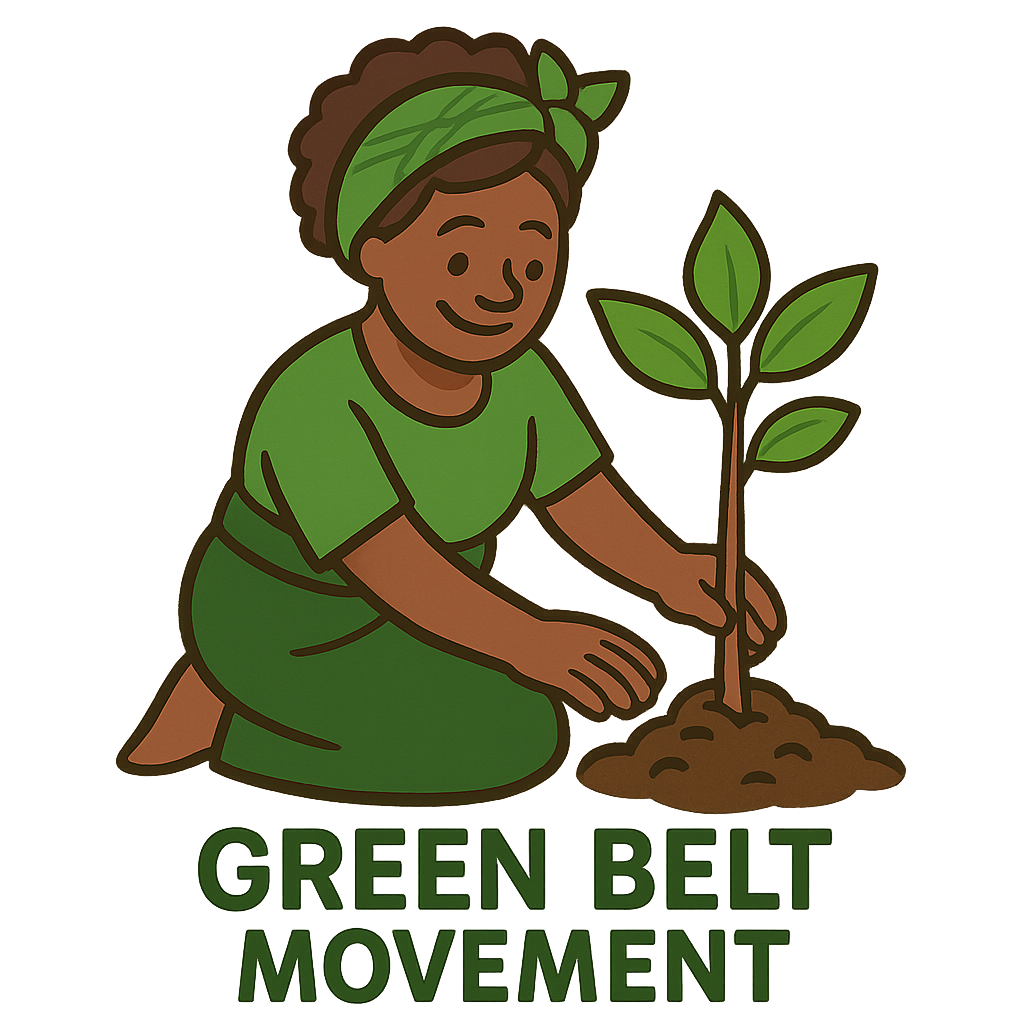
Hello! We are the Green Belt Movement. Our story begins in a country in Africa called Kenya. It was the year 1977 when a thoughtful woman named Wangari Maathai saw a problem and decided to do something about it. She met with women who lived in the countryside, in small villages surrounded by nature. These women told her that their lives were becoming harder. The forests near their homes were disappearing. With fewer trees, they had to walk much farther to find firewood for cooking their families’ meals. The streams they used for clean drinking water were drying up or getting muddy. We were started to help these women and their communities bring the forests back to life.
Our main idea was simple but powerful: we would help communities, especially women, plant trees. We didn't just give them trees; we taught them how to plant and care for tiny baby trees, called seedlings, until they grew strong. Each new tree was a gift to the Earth and to the people. These trees provided families with wood, so they no longer had to travel for hours to find fuel for cooking. Some trees grew delicious fruit that families could eat. On hot, sunny days, the leafy branches offered cool shade for people and animals. Planting trees also helped heal the land itself. The strong roots of the trees held the soil in place, so it didn't wash away when it rained. This helped keep the rivers and streams clean. For many women, selling the seedlings they grew gave them a way to earn money to support their families.
The Green Belt Movement: Planting a Better Future
Hello! We are the Green Belt Movement. Our story begins in a country in Africa called Kenya. It was the year 1977 when a thoughtful woman named Wangari Maathai saw a problem and decided to do something about it. She met with women who lived in the countryside, in small villages surrounded by nature. These women told her that their lives were becoming harder. The forests near their homes were disappearing. With fewer trees, they had to walk much farther to find firewood for cooking their families’ meals. The streams they used for clean drinking water were drying up or getting muddy. We were started to help these women and their communities bring the forests back to life.
Our main idea was simple but powerful: we would help communities, especially women, plant trees. We didn't just give them trees; we taught them how to plant and care for tiny baby trees, called seedlings, until they grew strong. Each new tree was a gift to the Earth and to the people. These trees provided families with wood, so they no longer had to travel for hours to find fuel for cooking. Some trees grew delicious fruit that families could eat. On hot, sunny days, the leafy branches offered cool shade for people and animals. Planting trees also helped heal the land itself. The strong roots of the trees held the soil in place, so it didn't wash away when it rained. This helped keep the rivers and streams clean. For many women, selling the seedlings they grew gave them a way to earn money to support their families.
What started as a small project grew bigger and bigger, like a strong tree. The idea became very popular! Soon, women in many different groups all across Kenya were working with us to plant their own community forests. Word of our work spread from village to village. Everyone saw how planting trees could solve so many problems at once. Over many years of hard work, we have helped plant more than 51 million trees in Kenya. That’s a huge number! Our work has also inspired people in other African countries. They saw what was happening in Kenya and started their own projects to care for their local environments, planting trees and protecting their own natural spaces.
Today, our work continues. We are still in Kenya, planting trees and protecting the forests that are so important for a healthy planet. But we do more than just plant. We also teach people about taking care of the environment. We talk about women's rights and how important it is for everyone to have a voice in their community. We share ideas for how people can live in a way that is good for the Earth, so that there will be clean water, fresh air, and healthy soil for many years to come. Our main goal is to create a world where both people and nature can thrive together, living in balance and harmony.
Wow facts
About
The Green Belt Movement is a Kenyan environmental organization that empowers communities, particularly women, to conserve the environment and improve livelihoods through tree planting.
Take a Quiz
Question 1 of 4
Who started the Green Belt Movement in 1977?
Explore next





Want to do even more?
Go beyond exploring. Unlock tools that turn every story into real learning.

Storypie Plus for families
Full stories, quizzes, and printables. Nights and car rides, sorted.
- Unlimited audio stories
- Create Mode: your child stars in the story
- Offline downloads
- Printable worksheets & coloring pages

Why Storypie for Schools
Students engaged. Prep in seconds. Evenings back to you.
- Worksheets & Quizzes
- Classroom Management
- Formative Assessment
- Custom Curriculum & Lesson Plans
- 27 Languages

Why Storypie for Homeschool
Curriculum done. They'll ask for more. Hours back in your day.
- Worksheet Generator
- First-Person Audio Stories
- Built-in Comprehension Quizzes
- Custom Curriculum & Lesson Plans
- Print & Go Activities