

 English

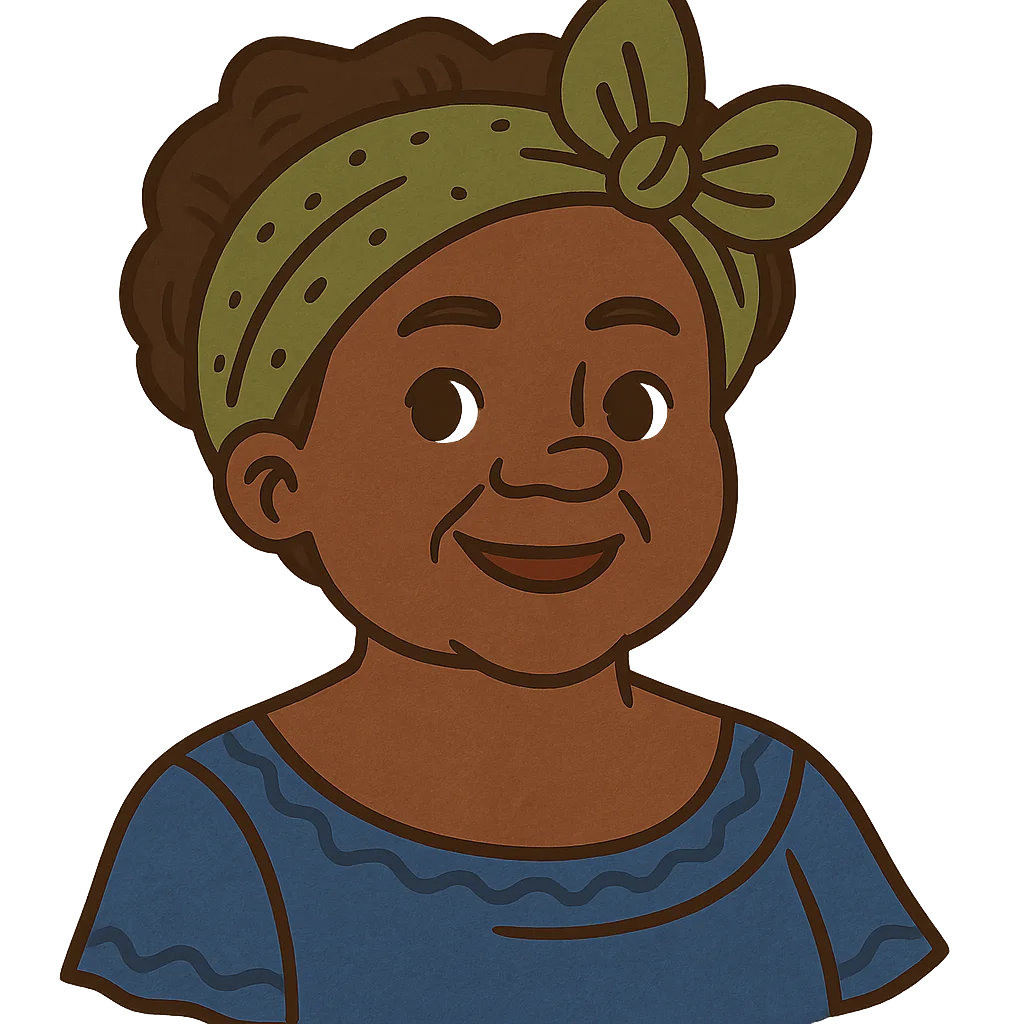
Wangari Maathai: The Woman Who Planted Trees
Hello, my name is Wangari Maathai, and I want to tell you a story about how planting a tiny seed can grow into a forest of hope. My story begins in the beautiful, green highlands of Kenya, where I was born on April 1st, 1940. I grew up in a small village called Ihithe, surrounded by lush forests, fertile soil, and crystal-clear streams. My mother would tell me wonderful stories, and one of my favorites was about a giant fig tree, the mugumo, that stood near our home. She taught me that it was a sacred tree, a tree of God, and that we must never harm it. I would often fetch water from a stream that sprang from the ground right near that tree, and I felt a deep connection to the earth. I saw how everything was linked—the tree protected the water, the water nourished the crops, and the crops fed our community. These early lessons planted a love for nature deep within my heart. In my time, it was not common for girls to go to school, but my family believed in education. This belief opened a door I never could have imagined. In 1960, I was given the incredible opportunity to study in America on a scholarship. I was nervous but filled with excitement for the journey ahead, a journey that would change not only my life but the future of my homeland.
Studying biology in the United States was like stepping into a new world. I attended college in Kansas and later earned my master's degree from the University of Pittsburgh. I learned so much about the science of life and the delicate balance of our ecosystems. I was fascinated by everything I learned, and I couldn't wait to bring this knowledge back home to help my people. I returned to Kenya in 1966, my heart filled with hope. In 1971, I made history when I earned my doctorate from the University of Nairobi, becoming the first woman in my region to achieve such a high degree. I was so proud, but my joy was soon clouded by a deep sadness. The Kenya I had returned to was not the one I remembered. The green hillsides were bare, the sacred fig trees were being cut down for timber and to make way for plantations, and the clear streams I once drank from were muddy and disappearing. I listened to the women from the rural villages. They told me they had to walk for miles to find firewood to cook their families' meals. They told me the soil was weak, their crops were failing, and their children were hungry. It was then that I made the connection. I realized that the destruction of our environment was not just about losing trees; it was the root cause of poverty, hunger, and conflict in my community. The health of our land was directly tied to the health of our people.
Seeing this deep connection between the land and the people gave me an idea—a simple but powerful one. What if we could heal the land and empower our communities at the same time? On June 5th, 1977, I founded the Green Belt Movement. The idea began small. We started by encouraging women to collect tree seeds from the forest, teaching them how to plant them, and then paying them a small amount for each seedling that grew. This simple act solved so many problems at once. The women earned an income, which allowed them to care for their families. The new trees provided firewood, animal fodder, and building materials. The roots of the trees held the soil in place, preventing erosion, and helped the streams to run clear again. We were not just planting trees; we were planting seeds of hope and confidence. However, not everyone was happy with our work. Some powerful politicians, including President Daniel arap Moi, saw our movement as a threat. They did not like that an educated woman was encouraging other women to think for themselves and to stand up for their rights. They called me a troublemaker and tried to stop our work. I was harassed and even arrested multiple times, but we refused to be silenced. We learned that planting trees was a peaceful but powerful act of defiance. Each tree we planted was a statement that we deserved a healthy environment, a just government, and a democratic society. Our green belts became symbols of our fight for a better future.
What started with just a few women in my village grew into a movement that swept across the nation. The Green Belt Movement has now planted over 51 million trees in Kenya. It became a powerful symbol of how grassroots efforts can create monumental change. On December 10th, 2004, I received a phone call that changed my life. I was awarded the Nobel Peace Prize, becoming the first African woman to receive this incredible honor. The world was finally recognizing the vital link between a healthy environment, democracy, and peace. You cannot have peace without sustainable resources, and you cannot manage your resources well without good governance and respect for human rights. I often told a story about a hummingbird. There was a huge forest fire, and all the big animals stood by, frozen in fear. But a tiny hummingbird flew to the stream, took a drop of water in its beak, and put it on the fire. It kept flying back and forth. The other animals laughed and said, “What do you think you can do?” The hummingbird replied, “I am doing the best I can.” That is my message to you. Be a hummingbird. Do the best you can for our planet. My own journey on this Earth came to an end on September 25th, 2011, but the work we started did not. The seeds we planted have grown into a forest of hope, a living legacy that continues to shelter and sustain our world.
Activities
Take a Quiz
Test what you learned with a fun quiz!
Get creative with colors!
Print a coloring book page of this topic.
















 Free for Educators