

 English

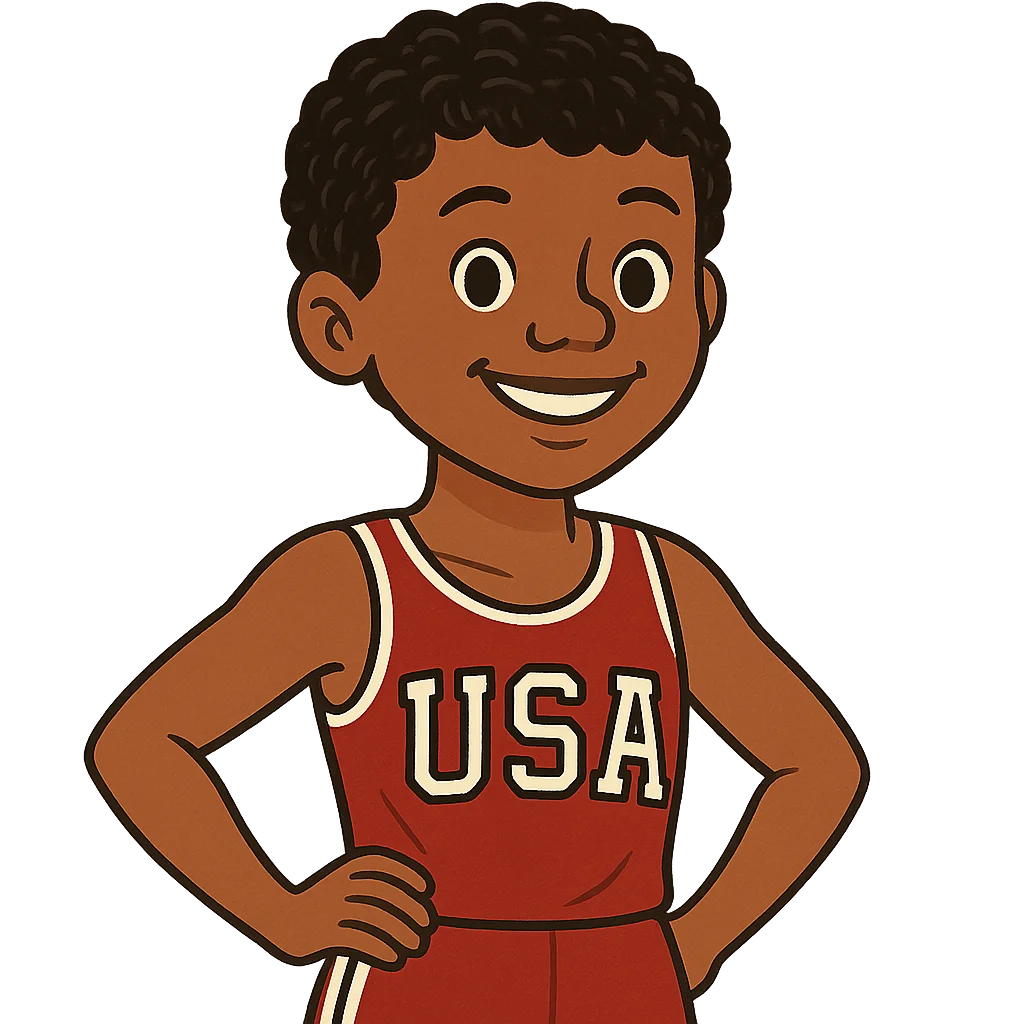
Wilma Rudolph
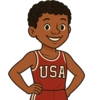
My name is Wilma Rudolph, and people remember me as the fastest woman in the world. But before I could run, I had to learn to walk. My story begins in Clarksville, Tennessee, where I was born on June 23rd, 1940. I was the 20th of 22 children, so our home was always bustling with energy, love, and noise. We didn't have much money, but we had each other. When I was just four years old, a series of illnesses, including polio, left my left leg paralyzed. Doctors delivered a grim prediction to my parents: I would never walk again. But my mother, Blanche, refused to accept that. She told me, “You will walk, and you will do anything you want to do.” Her belief became my own. Twice a week, my mother would take me on a 50-mile bus ride to a hospital in Nashville—the only one that would treat Black patients in our area—for physical therapy. The journey was long and tiring, but it was a small price to pay for hope. On the other days, my mother taught my brothers and sisters how to massage my leg, and they took turns, four times a day, working to bring life back to my muscles. Despite my crooked leg, my family nicknamed me “Skeeter” because I was always trying to move around as fast as a mosquito.
For years, a heavy, clunky metal brace was my constant companion. I hated it, but it was the only way I could get around. I watched my siblings run and play, their feet flying across the dirt yards, and a fire grew inside me. I wanted that freedom more than anything. I dreamed of the day I could shed that brace and join them. That day finally came when I was 12 years old. I can still feel the incredible lightness as I took my first unsupported steps. It felt like I had been given wings. My new dream was to play basketball like my older sister, Yolanda. I was determined to be on the high school team. At first, I spent most of my time on the bench, but I didn't let that discourage me. I practiced relentlessly, pushing myself harder than anyone else. By my sophomore year, I was a starting player, known for my incredible speed on the court. Basketball taught me how to be a competitor and how to turn my past challenges into a source of strength. It was on that court that I discovered I wasn't just able to walk—I was able to fly.
My speed on the basketball court didn't go unnoticed. A man named Ed Temple, the track and field coach for Tennessee State University, saw me play. He invited me to train with his collegiate team, the famous Tigerbelles, while I was still in high school. It was an amazing opportunity. By the time I was 16, I was competing in the 1956 Olympic Games in Melbourne, Australia, where my relay team won a bronze medal. That experience lit a new fire in me; I wanted to go back and win gold. Four years later, on September 7th, 1960, I stood on the world’s biggest stage at the Olympic Games in Rome. The stadium was enormous, buzzing with thousands of people from all over the world. I felt the immense pressure, but I also felt ready. I won my first gold medal in the 100-meter dash, tying the world record. Then came the 200-meter dash, where I broke the Olympic record and won my second gold. Finally, there was the 4x100-meter relay. I was the anchor, the last runner. During the handoff, our baton was nearly dropped, but I snatched it and sprinted with everything I had, crossing the finish line first. Three races, three gold medals. I had become the first American woman to achieve such a feat in a single Olympics.
Returning home to Clarksville should have been a simple celebration, but it wasn't. The town planned a huge parade and banquet in my honor, but they intended for it to be segregated—one event for the white residents and a separate one for the Black community. I knew I couldn't accept that. I told them that I would not attend any celebration that my whole community couldn't enjoy together. My stand made a difference. For the first time in the town's history, my homecoming parade and banquet were fully integrated events, where everyone celebrated together. That victory felt just as important as the ones I won on the track. After my running career ended, I became a teacher, a coach, and a goodwill ambassador, sharing my story with young people around the world. My life came to an end on November 12th, 1994, but my story didn't. I hope it reminds you that it doesn’t matter where you start or what obstacles stand in your way. What matters is the belief you have in yourself and the courage to use your voice not just for your own victory, but for a victory for everyone.
Activities
Take a Quiz
Test what you learned with a fun quiz!
Get creative with colors!
Print a coloring book page of this topic.








 Free for Educators