

 English

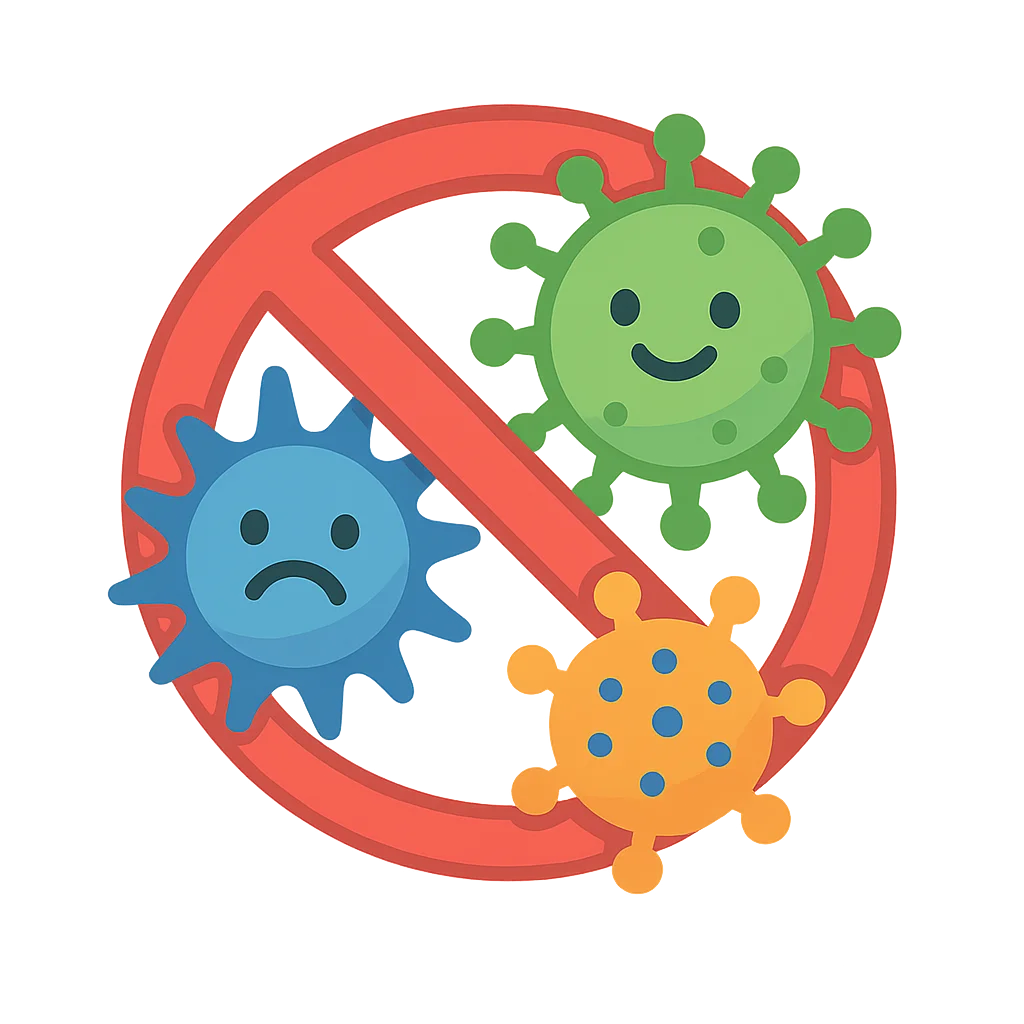
The Invisible Kingdom
I am everywhere, yet you cannot see me. I drift on the dust motes dancing in a sunbeam, I coat the cool metal of the doorknob you just touched, and I am nestled in the rich soil that nourishes the flowers in your garden. For millennia, I was the world’s greatest secret. I was the invisible troublemaker, the phantom force that could make a strong person suddenly weak with fever, or the reason a delicious meal could lead to a terrible stomach ache. But I was also the silent helper, the unseen alchemist living in your own belly, diligently breaking down your breakfast into energy. I am the reason fallen leaves disappear back into the earth, making it fertile for new life to spring forth. For thousands of years, humans felt my power but could not grasp my existence. They blamed sickness on foul odors they called 'miasmas' or attributed their misfortunes to supernatural curses. They lived their lives completely unaware that the most epic battles and crucial alliances were happening on a scale far too minuscule for their eyes to comprehend. They knew my effects intimately, but they didn't know my name. I am the sprawling, complex world of the microscopic. You have a name for my vast, invisible family: you call us Germs.
For most of human history, I remained a complete mystery, an unsolvable puzzle. That began to change in the 17th century, thanks to a man in Delft, a city in the Netherlands, whose relentless curiosity peeled back the first layer of my invisibility. His name was Antonie van Leeuwenhoek. He was not a celebrated academic but a humble cloth merchant with an extraordinary hobby: grinding tiny glass lenses. He perfected his craft until his lenses were more powerful than any others in the world, and he mounted them in simple, handheld microscopes. Around the year 1676, driven by his insatiable curiosity, he placed a single drop of pond water under his lens. He must have gasped, for what he saw was a world teeming with life. Tiny creatures, which he later called 'animalcules' or 'little animals,' were swimming, tumbling, and darting about in that one drop. He scraped plaque from between his own teeth and found my family members there, too, living in a bustling community. He wrote dozens of excited, detailed letters to the prestigious Royal Society in London, describing this invisible universe he had unveiled. The scientists were astounded, but they viewed his findings as a mere curiosity, a charming novelty. No one yet suspected that some of my microscopic cousins were the culprits behind the world’s most devastating plagues. A human had finally seen me, but the true significance of that first glance would not be understood for a long, long time.
Nearly two hundred years passed before the next great detective entered the scene to crack my case. By the 1860s, cities had grown crowded and unsanitary, and diseases spread like wildfire. A brilliant and determined French chemist named Louis Pasteur refused to accept the old explanations. The prevailing theory for why things like broth or milk spoiled was 'spontaneous generation'—the idea that I simply erupted into existence from nothing. Pasteur was skeptical. He devised an elegant experiment using swan-necked flasks. He boiled broth in these flasks to kill any of my family members already inside, but the unique shape of the flask’s neck allowed air to enter while trapping airborne dust particles. As long as the flask remained upright, the broth stayed perfectly fresh, for weeks, months, even years. But the moment he tilted the flask, allowing the dust-laden broth in the neck to mix with the clear liquid, I quickly moved in and the broth turned cloudy and spoiled within hours. He had proven it: I didn't appear from nowhere; I traveled on dust, through the air, and landed on surfaces, causing fermentation and decay. This led him to his monumental insight: the Germ Theory of Disease. He proposed that if my relatives could spoil broth, certain types could also invade the human body and cause illness. Around the same time, a meticulous German doctor named Robert Koch was providing the hard evidence, isolating the specific bacteria that caused deadly diseases like anthrax and tuberculosis. The invisible enemy finally had a face, and humanity realized its greatest struggles were against its smallest, unseen foes.
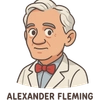
Once Pasteur and Koch exposed my secrets, the world was transformed. Humans finally understood the rules of the game and began to fight back against my more destructive relatives. This new knowledge sparked a revolution in health. People like Joseph Lister pioneered antiseptic surgery, and communities built sanitation systems to provide clean water. You learned the profound power of simply washing your hands with soap. Scientists developed vaccines, a clever way to train your body's immune system to recognize and defeat us before we could cause harm. Then, on September 3rd, 1928, a scientist named Alexander Fleming stumbled upon penicillin, the first antibiotic, a powerful weapon that could stop some of my bacterial cousins in their tracks. But as your understanding grew, you learned something even more profound: most of my family members are not your foes. In fact, you are not truly you without us. The trillions of us living in your gut form a complex ecosystem called the microbiome, which helps you digest food, produce vitamins, and keep your immune system strong. We are the magic behind delicious foods like yogurt, cheese, and sourdough bread. We are essential partners in keeping the entire planet healthy. So, I am not your enemy. I am a fundamental, inescapable part of life itself. Understanding me isn't about fear, but about balance. It is about learning to live wisely with all of my relatives, the helpful and the harmful. I am a constant reminder that whole universes exist just beyond your sight, filled with endless wonder, waiting to be explored.
Activities
Take a Quiz
Test what you learned with a fun quiz!
Get creative with colors!
Print a coloring book page of this topic.










 Free for Educators