English

Germs
Germs are microorganisms, such as bacteria, viruses, and fungi…
Reads at Grades 3–5 Listens at Grades 1–5
Print & create
Answer keys·No prep·Free with an account
28 worksheets · answer keys · full story · quiz · Ages 8-10 · CEFR B1
Plus adds 279,000+ more stories in 27 languages, audio for every one, and printables for all of them.
Just want Germs?
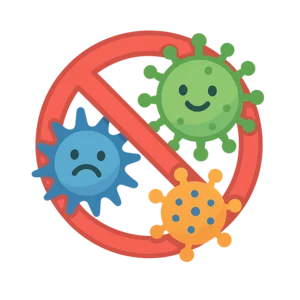
Have you ever felt a tiny tickle in your throat that grew into a big, noisy cough? Or maybe you forgot about your favorite sandwich in your lunchbox, and when you found it days later, it was covered in strange, fuzzy spots? That was me. Or, well, my relatives. I am everywhere, but you’ll never see me with just your eyes. I float in the air you breathe, I swim in puddles after it rains, and I’m probably wiggling on your hands right now. Can you imagine something so small it’s invisible, yet so powerful? I can be a real troublemaker, causing sniffles, fevers, and tummy aches that make you miss a day of school. But I’m not always the bad guy. I have a helpful side, too. Some of my cousins live inside your belly, working hard every day to help you break down your food and get all the energy you need to run and play. We are a huge, invisible family living all around you, inside you, and on you. We are tiny living things, and you might know us by our family name: Germs! My relatives and I are known as bacteria, viruses, and fungi, and we have been on this planet for a very, very long time, long before people ever knew we existed.
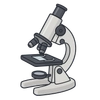
For thousands of years, people had no idea I was the one causing all that mischief. When someone got sick, they would blame it on all sorts of silly things. They thought maybe a bad smell in the air was making them ill, or that grumpy spirits were playing tricks on them. Can you believe it? They were looking for big, spooky causes when the real culprit was me, a creature too tiny to be seen. Everything changed thanks to a very curious man named Antonie van Leeuwenhoek. He wasn't a famous scientist, but a shopkeeper in Holland who loved making powerful magnifying glasses. Around the year 1674, he decided to look at a single drop of pond water through one of his amazing inventions—an early microscope. What he saw must have made his jaw drop. It was me and thousands of my cousins, wiggling, spinning, and zipping around. He was the first human to ever see our secret world. He called us 'animalcules,' which means 'little animals,' because we were so full of life. It was a good start, but people still didn't connect us to being sick. It took another two hundred years for another brilliant mind, a French scientist named Louis Pasteur, to prove the connection. In the 1860s, he showed everyone that it was my family members that made milk go sour and wine turn bad. He figured out that these same invisible invaders could get inside people and make them sick, too. This incredible idea became known as the 'germ theory of disease,' and it changed the world. Soon after, a doctor in Scotland named Joseph Lister read about Pasteur’s work. Around the year 1865, he had a genius thought: if germs cause infections, maybe cleaning everything would stop them. He started cleaning his surgical tools and washing his hands before helping patients. Suddenly, people started getting better after surgery instead of sicker. He had figured out how to fight me, all thanks to understanding that I was there in the first place.
The Germ's Tale: An Invisible Story
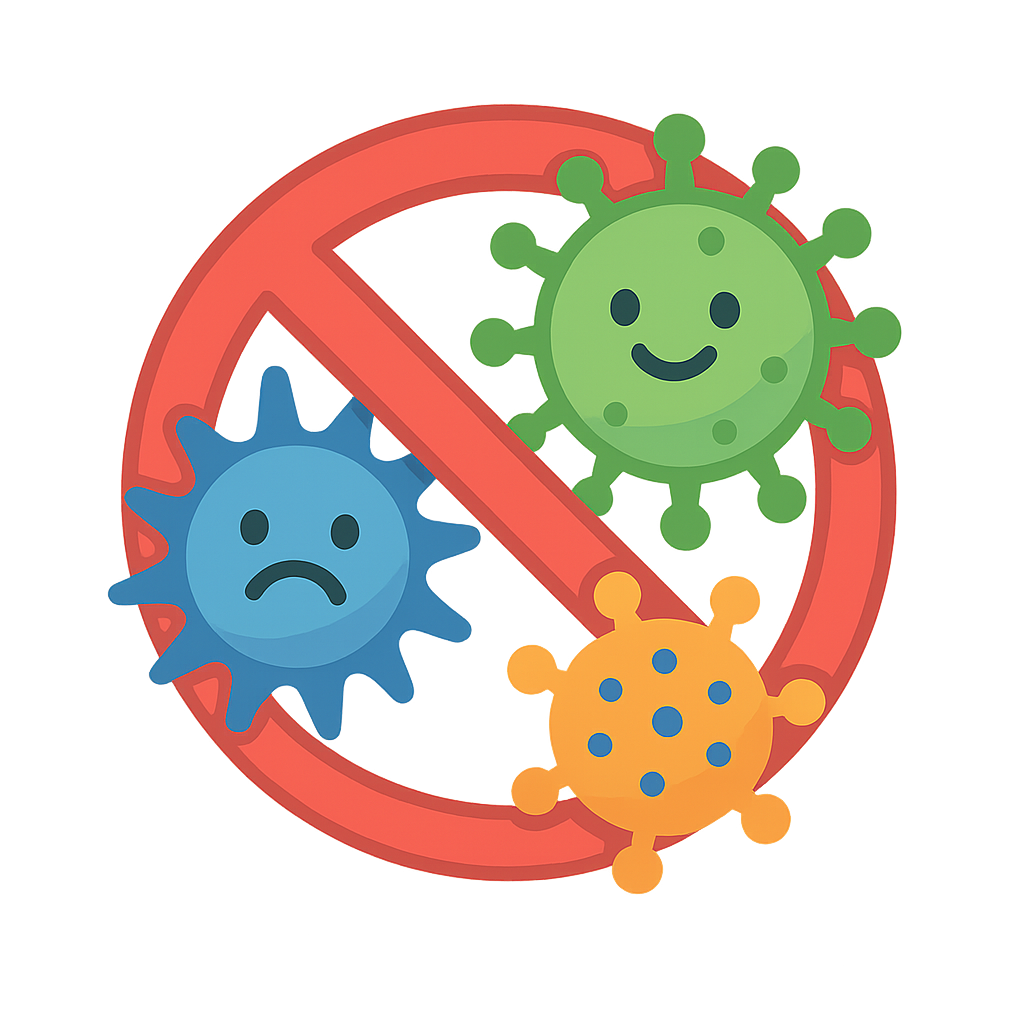
Have you ever felt a tiny tickle in your throat that grew into a big, noisy cough? Or maybe you forgot about your favorite sandwich in your lunchbox, and when you found it days later, it was covered in strange, fuzzy spots? That was me. Or, well, my relatives. I am everywhere, but you’ll never see me with just your eyes. I float in the air you breathe, I swim in puddles after it rains, and I’m probably wiggling on your hands right now. Can you imagine something so small it’s invisible, yet so powerful? I can be a real troublemaker, causing sniffles, fevers, and tummy aches that make you miss a day of school. But I’m not always the bad guy. I have a helpful side, too. Some of my cousins live inside your belly, working hard every day to help you break down your food and get all the energy you need to run and play. We are a huge, invisible family living all around you, inside you, and on you. We are tiny living things, and you might know us by our family name: Germs! My relatives and I are known as bacteria, viruses, and fungi, and we have been on this planet for a very, very long time, long before people ever knew we existed.
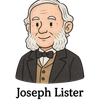
For thousands of years, people had no idea I was the one causing all that mischief. When someone got sick, they would blame it on all sorts of silly things. They thought maybe a bad smell in the air was making them ill, or that grumpy spirits were playing tricks on them. Can you believe it? They were looking for big, spooky causes when the real culprit was me, a creature too tiny to be seen. Everything changed thanks to a very curious man named Antonie van Leeuwenhoek. He wasn't a famous scientist, but a shopkeeper in Holland who loved making powerful magnifying glasses. Around the year 1674, he decided to look at a single drop of pond water through one of his amazing inventions—an early microscope. What he saw must have made his jaw drop. It was me and thousands of my cousins, wiggling, spinning, and zipping around. He was the first human to ever see our secret world. He called us 'animalcules,' which means 'little animals,' because we were so full of life. It was a good start, but people still didn't connect us to being sick. It took another two hundred years for another brilliant mind, a French scientist named Louis Pasteur, to prove the connection. In the 1860s, he showed everyone that it was my family members that made milk go sour and wine turn bad. He figured out that these same invisible invaders could get inside people and make them sick, too. This incredible idea became known as the 'germ theory of disease,' and it changed the world. Soon after, a doctor in Scotland named Joseph Lister read about Pasteur’s work. Around the year 1865, he had a genius thought: if germs cause infections, maybe cleaning everything would stop them. He started cleaning his surgical tools and washing his hands before helping patients. Suddenly, people started getting better after surgery instead of sicker. He had figured out how to fight me, all thanks to understanding that I was there in the first place.
Once people knew about me, they started getting very smart. They realized that my family is incredibly diverse. While some of my cousins, like the flu virus, are definitely troublemakers you want to avoid, many of us are actually your friends. The germs that live in yogurt, for example, are good for you. And the billions of us living in your gut are like a personal team of helpers, keeping you healthy from the inside out. This new knowledge sparked so many amazing inventions. Scientists created special medicines called antibiotics that could fight off my more dangerous bacterial relatives. Best of all, they invented vaccines. A vaccine is like a training camp for your body. It introduces your body to a weak or inactive version of one of my tough cousins, so your body learns how to defeat it without ever getting truly sick. It’s like learning the secret moves to win a video game before you even play the main level. So, you see, you don’t need to be scared of me. You just need to be smart. By simply washing your hands with soap and water, covering your mouth when you cough, and eating healthy foods, you can keep my troublesome relatives away and live happily with my helpful ones. Understanding my invisible world was one of the most important discoveries ever, because it gave you the power to stay healthy and strong.
Wow facts
About
Germs are microorganisms, such as bacteria, viruses, and fungi, that are too small to see without a microscope. While some can cause disease, many are harmless or even essential for life and the environment.
Take a Quiz
Question 1 of 5
In the story, the germ says people used to blame sickness on 'silly things.' What were some of these things?
Explore next




Want to do even more?
Go beyond exploring. Unlock tools that turn every story into real learning.

Storypie Plus for families
Full stories, quizzes, and printables. Nights and car rides, sorted.
- Unlimited audio stories
- Create Mode: your child stars in the story
- Offline downloads
- Printable worksheets & coloring pages

Why Storypie for Schools
Students engaged. Prep in seconds. Evenings back to you.
- Worksheets & Quizzes
- Classroom Management
- Formative Assessment
- Custom Curriculum & Lesson Plans
- 27 Languages

Why Storypie for Homeschool
Curriculum done. They'll ask for more. Hours back in your day.
- Worksheet Generator
- First-Person Audio Stories
- Built-in Comprehension Quizzes
- Custom Curriculum & Lesson Plans
- Print & Go Activities