English


Germ Theory of Disease
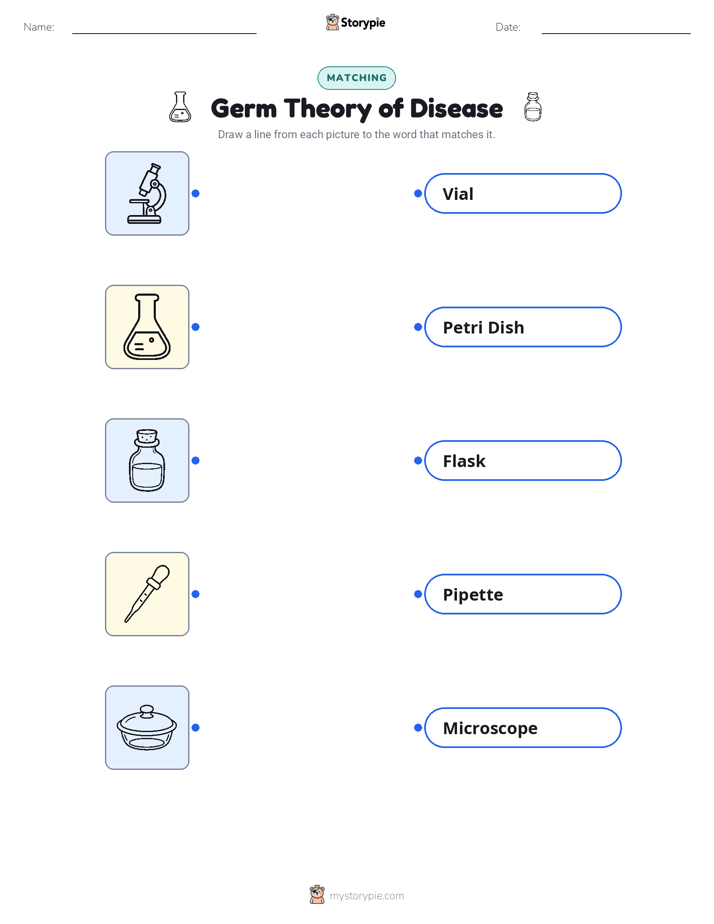
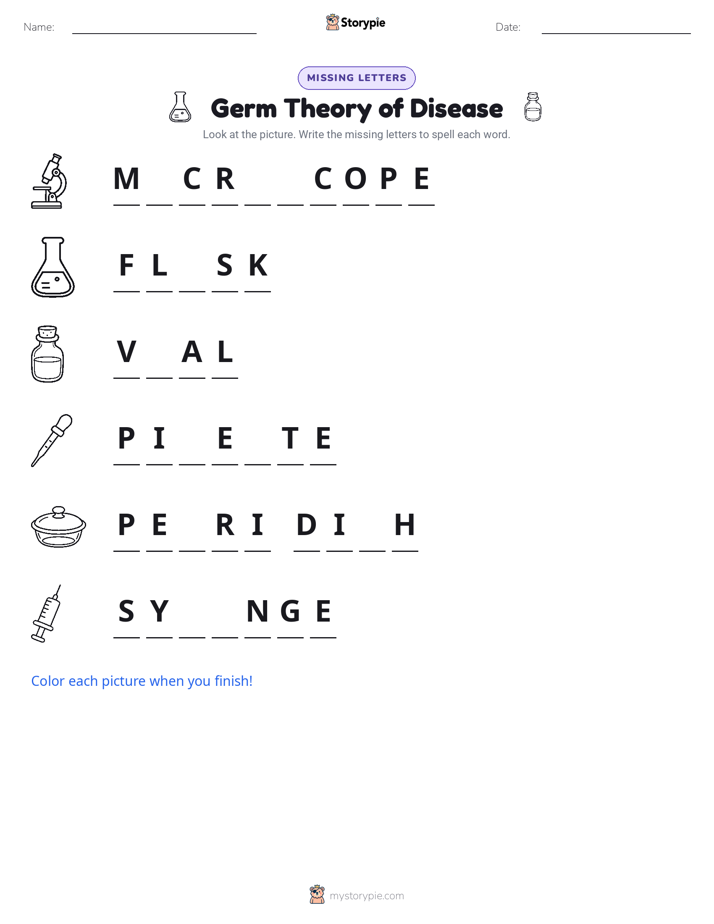
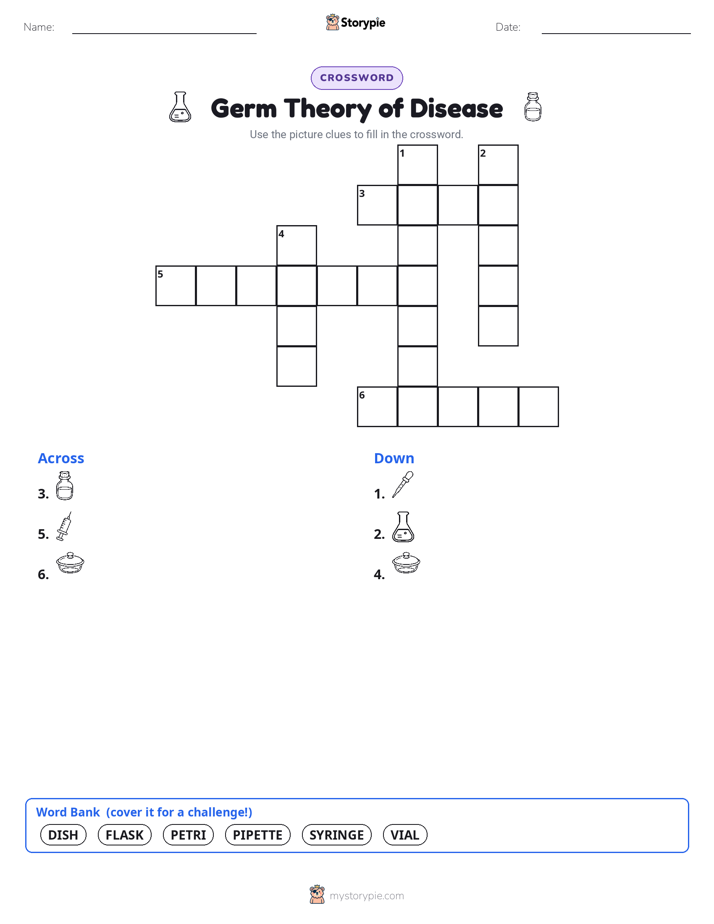
The scientific theory that many diseases are caused by microorganisms, or 'germs'…
Reads at Grades 3–5 Listens at Grades 1–5
Print & create
Answer keys·No prep·Free with an account
28 worksheets · answer keys · full story · quiz · Ages 8-10 · CEFR B1
Plus adds 244,000+ more stories in 27 languages, audio for every one, and printables for all of them.
Just want Germ Theory of Disease?
Can you imagine a world where a simple sneeze was a terrifying mystery? For thousands of years, when people got sick with a cough or a fever, nobody knew why. It was a giant puzzle. Some people blamed bad smells that floated in the air, which they called ‘miasma’. Others thought sickness came from having an imbalance inside your body. They couldn't see the real culprits because they were invisible, hiding in plain sight. I was the secret reason, an idea just waiting for clever minds to uncover me. I am the truth that tiny, living things, too small for the eye to see, can travel from one person to another and cause illness. I am a powerful idea, a key that unlocked one of humanity's biggest mysteries. My name is the Germ Theory of Disease.
My story really began to unfold in the 1670s, thanks to a curious man from the Netherlands named Antonie van Leeuwenhoek. He wasn't a famous scientist, but he was brilliant at making his own microscopes with powerful little lenses. One day, he decided to look at a single drop of pond water. What he saw amazed him. The water was alive with thousands of tiny swimming creatures he called ‘animalcules’. It was the very first time a human had ever peeked into the microbial world. For a long time, no one connected these little creatures to being sick. Then, much later in the 1840s, a kind doctor in Austria named Ignaz Semmelweis noticed something terribly sad. In the hospital where he worked, many new mothers were getting a dangerous fever. He saw that doctors would come from working on sick patients and go straight to delivering babies without cleaning up. He had a bold idea. He ordered all the doctors to wash their hands with a special chlorine solution. And just like that, the sickness almost disappeared. He didn't know about germs, but he had proven that some invisible ‘thing’ could be passed from person to person.
The Secret of Sickness
Can you imagine a world where a simple sneeze was a terrifying mystery? For thousands of years, when people got sick with a cough or a fever, nobody knew why. It was a giant puzzle. Some people blamed bad smells that floated in the air, which they called ‘miasma’. Others thought sickness came from having an imbalance inside your body. They couldn't see the real culprits because they were invisible, hiding in plain sight. I was the secret reason, an idea just waiting for clever minds to uncover me. I am the truth that tiny, living things, too small for the eye to see, can travel from one person to another and cause illness. I am a powerful idea, a key that unlocked one of humanity's biggest mysteries. My name is the Germ Theory of Disease.
My story really began to unfold in the 1670s, thanks to a curious man from the Netherlands named Antonie van Leeuwenhoek. He wasn't a famous scientist, but he was brilliant at making his own microscopes with powerful little lenses. One day, he decided to look at a single drop of pond water. What he saw amazed him. The water was alive with thousands of tiny swimming creatures he called ‘animalcules’. It was the very first time a human had ever peeked into the microbial world. For a long time, no one connected these little creatures to being sick. Then, much later in the 1840s, a kind doctor in Austria named Ignaz Semmelweis noticed something terribly sad. In the hospital where he worked, many new mothers were getting a dangerous fever. He saw that doctors would come from working on sick patients and go straight to delivering babies without cleaning up. He had a bold idea. He ordered all the doctors to wash their hands with a special chlorine solution. And just like that, the sickness almost disappeared. He didn't know about germs, but he had proven that some invisible ‘thing’ could be passed from person to person.
It took two brilliant scientists to finally prove I was real and show the world how I worked. The first was a French chemist named Louis Pasteur. In the 1860s, he settled a huge debate. Many people believed in something called ‘spontaneous generation’, the idea that life could just poof into existence from non-living things, like mold growing on bread. Louis thought that was silly. He believed tiny microbes floating in the air were the real cause. To prove it, he designed a clever experiment using flasks with long, curved ‘swan-necks’. He boiled broth in them to kill anything inside. The curved neck let fresh air in, but it trapped the dust and microbes from floating down into the broth. The broth stayed perfectly fresh. But when he broke the neck off a flask, letting the microbes fall in, the broth spoiled quickly. He had proven it. He even used this idea to invent a process called pasteurization, gently heating things like milk and wine to kill harmful microbes and make them safe to drink. At the same time, a German doctor named Robert Koch was like a detective hot on the trail of a villain. In the 1870s and 1880s, he figured out how to grow specific germs in his laboratory on a plate of jelly-like agar. This allowed him to study them closely. He was the first person to prove that one specific germ caused one specific disease. He found the tiny culprit behind the scary illness anthrax on March 26th, 1876, and later identified the germ that causes tuberculosis. He created a set of rules, called Koch's Postulates, to help all other scientists prove which germ caused which sickness.
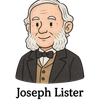
Once Pasteur and Koch showed everyone I was real, the world changed forever. Doctors and scientists finally understood how diseases actually spread. A British surgeon named Joseph Lister heard about my ideas and, in the 1860s, he started using a chemical called carbolic acid to clean surgical tools and wounds. This new ‘antiseptic surgery’ stopped infections and made hospitals much, much safer. My discovery is the reason we have so many things that keep us healthy today. Powerful medicines called antibiotics were created to fight germ infections. Amazing vaccines were developed to train your body to fight off germs before they can make you sick. The simple, wonderful habit of washing your hands with soap became one of the best ways to stay healthy. Today, whenever you get a shot at the doctor’s office, see food workers wearing gloves, or cover your mouth when you cough, you are seeing me in action. I am a reminder that even the things we cannot see can have a huge impact, and that with science and curiosity, we can solve life's biggest puzzles and help everyone live healthier, longer lives.
Wow facts
About
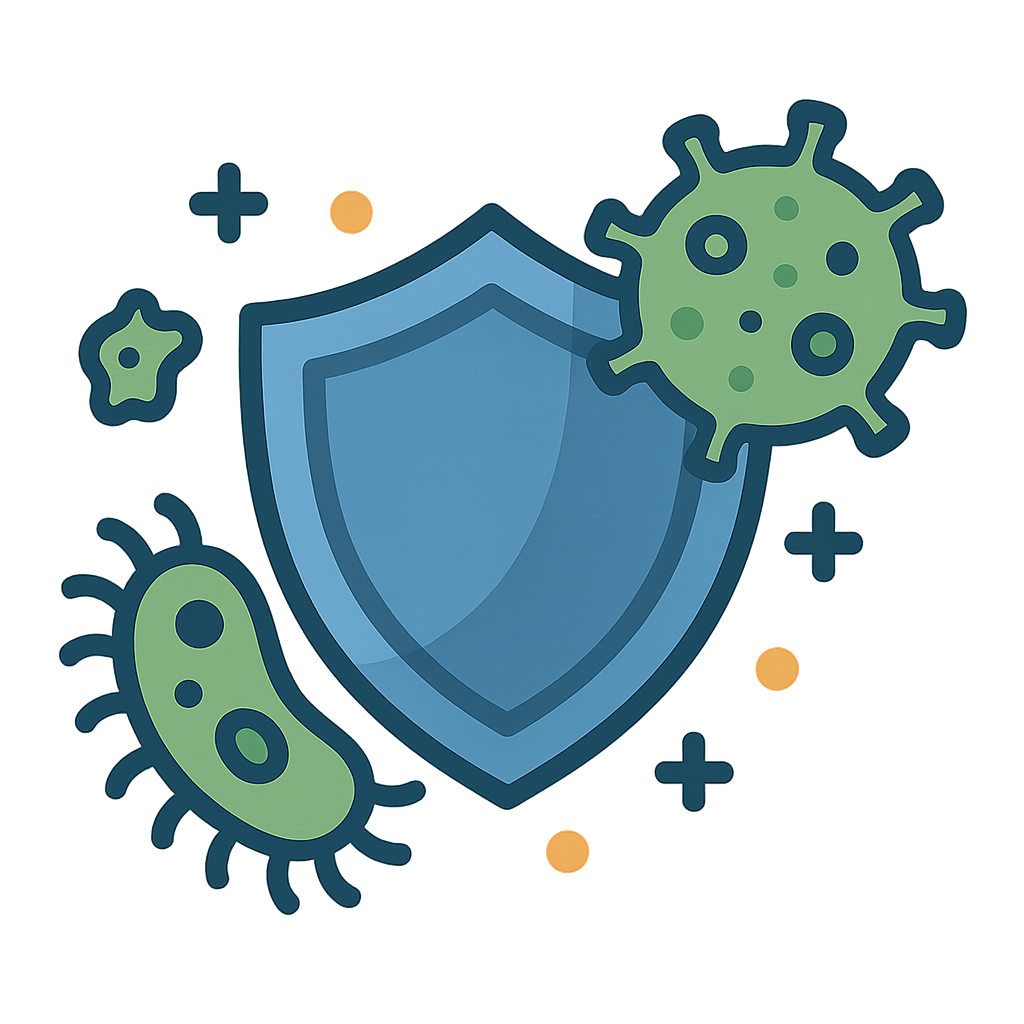
The scientific theory that many diseases are caused by microorganisms, or 'germs', which are mostly too small to see without a microscope, but some tiny living things made of many cells can be seen without one.
Take a Quiz
Question 1 of 5
In the story, what does the word 'animalcules' mean?
Explore next





Want to do even more?
Go beyond exploring. Unlock tools that turn every story into real learning.

Storypie Plus for families
Full stories, quizzes, and printables. Nights and car rides, sorted.
- Unlimited audio stories
- Create Mode: your child stars in the story
- Offline downloads
- Printable worksheets & coloring pages

Why Storypie for Schools
Students engaged. Prep in seconds. Evenings back to you.
- Worksheets & Quizzes
- Classroom Management
- Formative Assessment
- Custom Curriculum & Lesson Plans
- 27 Languages

Why Storypie for Homeschool
Curriculum done. They'll ask for more. Hours back in your day.
- Worksheet Generator
- First-Person Audio Stories
- Built-in Comprehension Quizzes
- Custom Curriculum & Lesson Plans
- Print & Go Activities