English

Germ Theory of Disease
The scientific theory that many diseases are caused by microorganisms, or 'germs'…
Reads at Grades K-2 Listens at K–3
Print & create
Answer keys·No prep·Free with an account
28 worksheets · answer keys · full story · quiz · Ages 6-8 · CEFR A2
Plus adds 244,000+ more stories in 27 languages, audio for every one, and printables for all of them.
Just want Germ Theory of Disease?
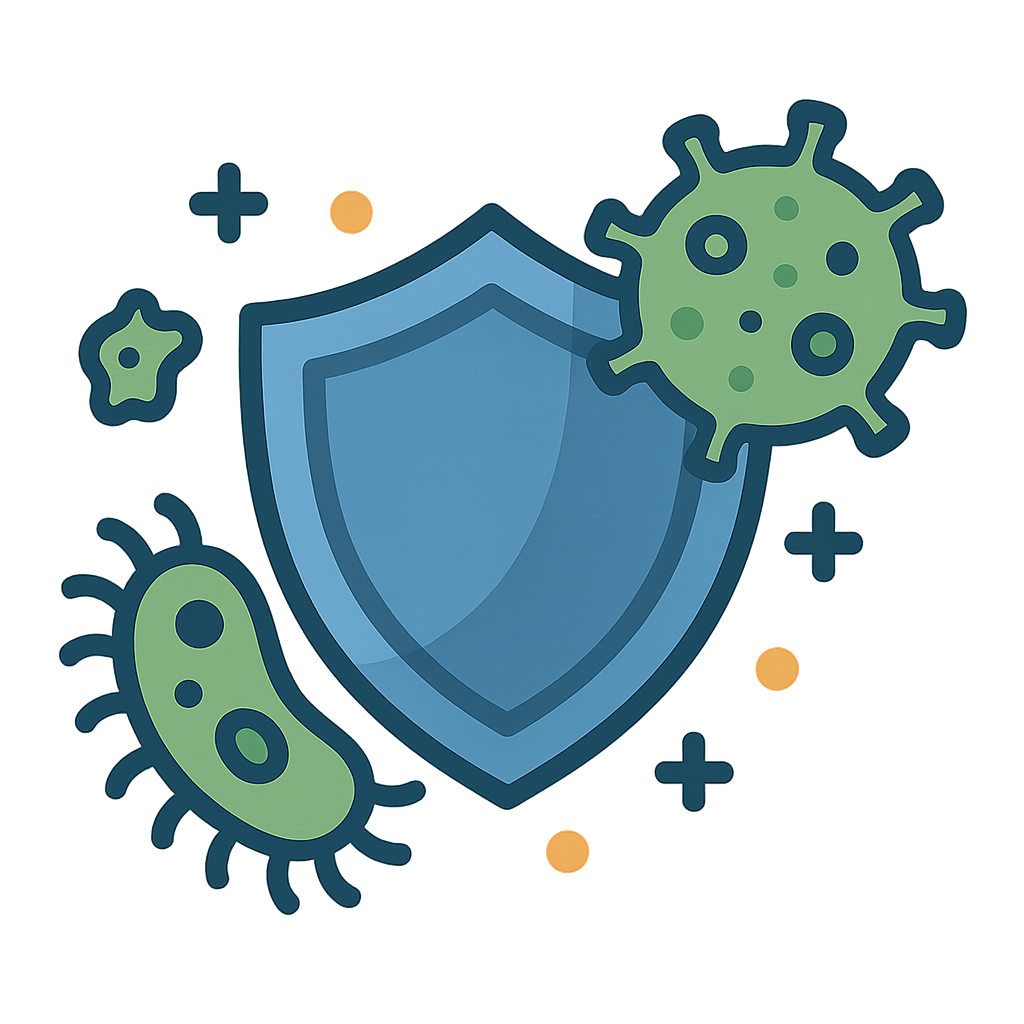
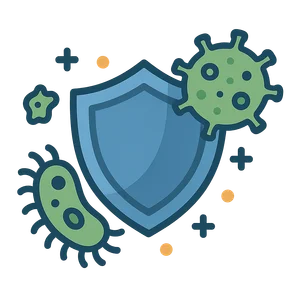
Have you ever wondered why you suddenly get a cough or a tummy ache. For a very, very long time, people had no idea. They would look around and see nothing, so they guessed it was caused by bad smells in the air or just plain old bad luck. But the real reason was a sneaky, invisible secret, hiding right under their noses. The secret was that tiny, living things were the real culprits. You can’t see them, but they are there. I am the big idea that these tiny, living things, called germs, can make people sick. You can call me the Germ Theory of Disease.
For centuries, I was just a secret waiting to be discovered. Then, some very curious people, like detectives, started looking for clues. The first clue came a long, long time ago, in the 1670s. A man named Antonie van Leeuwenhoek built a special looking glass called a microscope. When he peeked through it at a drop of water, he was amazed. He saw thousands of tiny creatures wiggling and swimming around. He called them his “animalcules,” which means “tiny animals.” He didn't know they could make people sick, but he was the very first person to see them. Many years later, in the 1860s, another germ detective named Louis Pasteur came along. He did experiments that proved these little germs were everywhere—in the air, in water, and in food. He showed that they were the reason milk would spoil and go sour. Then, another detective named Robert Koch, working in the 1870s and 1880s, figured out which specific germs caused certain sicknesses. It was like he found the exact key for the right lock. He showed that one kind of germ caused one kind of sickness, and a different germ caused another.
The Invisible Secret That Changed Everything
Have you ever wondered why you suddenly get a cough or a tummy ache. For a very, very long time, people had no idea. They would look around and see nothing, so they guessed it was caused by bad smells in the air or just plain old bad luck. But the real reason was a sneaky, invisible secret, hiding right under their noses. The secret was that tiny, living things were the real culprits. You can’t see them, but they are there. I am the big idea that these tiny, living things, called germs, can make people sick. You can call me the Germ Theory of Disease.
For centuries, I was just a secret waiting to be discovered. Then, some very curious people, like detectives, started looking for clues. The first clue came a long, long time ago, in the 1670s. A man named Antonie van Leeuwenhoek built a special looking glass called a microscope. When he peeked through it at a drop of water, he was amazed. He saw thousands of tiny creatures wiggling and swimming around. He called them his “animalcules,” which means “tiny animals.” He didn't know they could make people sick, but he was the very first person to see them. Many years later, in the 1860s, another germ detective named Louis Pasteur came along. He did experiments that proved these little germs were everywhere—in the air, in water, and in food. He showed that they were the reason milk would spoil and go sour. Then, another detective named Robert Koch, working in the 1870s and 1880s, figured out which specific germs caused certain sicknesses. It was like he found the exact key for the right lock. He showed that one kind of germ caused one kind of sickness, and a different germ caused another.
Once my secret was out, everything changed for the better. It was a huge discovery. People finally understood that washing their hands with soap and water wasn't just to get rid of dirt, it was to wash away the invisible germs. Doctors and nurses learned to keep their tools super clean so they wouldn't pass germs from one person to another. Scientists were even able to create special medicines and shots, called vaccines, to help our bodies fight back against the sneaky germs. So now you know my story. Every time you wash your hands before you eat, or cover your mouth when you cough, you are using my idea as your very own healthy superpower. You are a germ-fighting hero, helping to keep yourself and everyone around you safe and strong.
Wow facts
About
The scientific theory that many diseases are caused by microorganisms, or 'germs', which are mostly too small to see without a microscope, but some tiny living things made of many cells can be seen without one.
Take a Quiz
Question 1 of 4
What did Antonie van Leeuwenhoek call the tiny things he saw in his microscope?
Explore next


Want to do even more?
Go beyond exploring. Unlock tools that turn every story into real learning.

Storypie Plus for families
Full stories, quizzes, and printables. Nights and car rides, sorted.
- Unlimited audio stories
- Create Mode: your child stars in the story
- Offline downloads
- Printable worksheets & coloring pages

Why Storypie for Schools
Students engaged. Prep in seconds. Evenings back to you.
- Worksheets & Quizzes
- Classroom Management
- Formative Assessment
- Custom Curriculum & Lesson Plans
- 27 Languages

Why Storypie for Homeschool
Curriculum done. They'll ask for more. Hours back in your day.
- Worksheet Generator
- First-Person Audio Stories
- Built-in Comprehension Quizzes
- Custom Curriculum & Lesson Plans
- Print & Go Activities