

 English

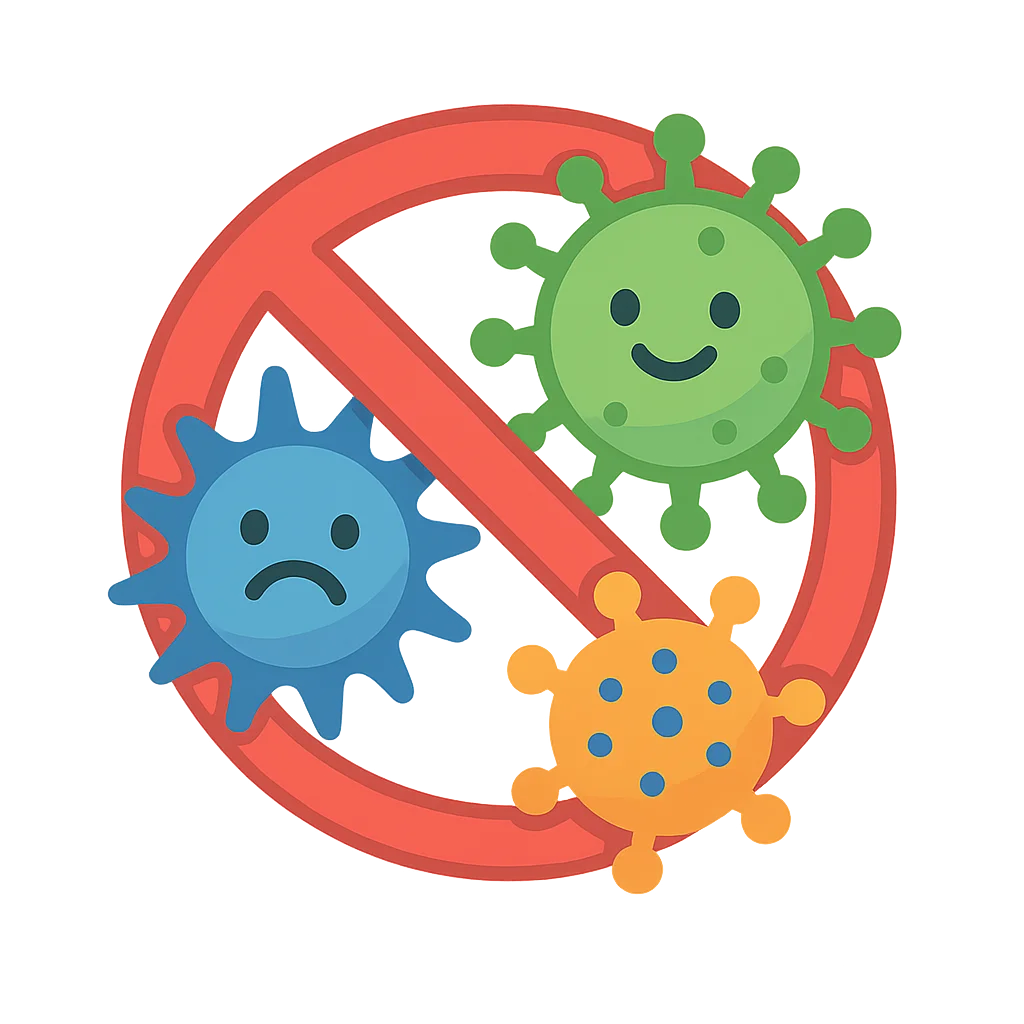
The World of Germs
Have you ever wondered what makes you sneeze a giant KACHOO. Or why your tummy sometimes feels a little rumbly even after you eat a yummy snack. For a very, very long time, it was a giant mystery for everyone. People got sniffles and coughs, but they couldn’t figure out why. They couldn't see the reason, because the reason was us, and we are completely invisible. We are so teeny-tiny that millions of us could fit on the tip of your finger. We float in the air when you sneeze, we swim in puddles, and we hitch a ride on your hands all day long. We are on your toys, in your yogurt, and even inside your body right now. You can't see us, but we are always here, having tiny parties everywhere you go. Hello! We are germs.
For thousands of years, we germs had the best hiding spot in the world: we were just too small to see. People didn’t have anything strong enough to peek into our tiny world. That all changed because of a very curious man named Antonie van Leeuwenhoek. Around the year 1676, he built a special tool called a microscope. It was like having super-powered glasses that could see things smaller than a grain of sand. One day, he looked at a single drop of pond water through his microscope. What do you think he saw? Us! He saw us wiggling and swimming and zipping all around. He called us “little animals” because we were so full of life. He was so excited, he told everyone he could about the invisible world he had discovered. But people still didn't know what we were up to. Many years later, another smart scientist named Louis Pasteur came along. He wanted to solve the mystery of why people got sick. On April 8th, 1862, he did a famous experiment that proved that some of us, the troublemaker germs, are the ones that can cause sickness. He showed everyone that we travel through the air and can make things like milk go sour. It was a huge discovery. Suddenly, people understood that these invisible little creatures were a very big deal. Around the same time, a doctor named Ignaz Semmelweis had a simple but powerful idea. In 1847, he noticed that if doctors washed their hands before helping patients, the patients were much less likely to get sick. It sounds so simple now, right? But back then, it was an amazing idea. He figured out that washing with soap and water washed away the troublemaker germs that were hitching a ride on the doctors' hands. He showed everyone one of the very first and best ways to stop us troublemakers in our tracks.
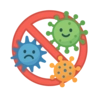
Now, hearing about troublemakers might make us sound a little scary, but that’s not the whole story. Most of us are actually helpers. That’s right, we’re good guys. There are helper germs living in your tummy right now that help you digest your food and get all the energy from your lunch. Without them, you'd get a tummy ache. We are the germs that turn milk into yummy yogurt and cheese. We also live in the soil and help plants grow big and strong so you can have delicious fruits and vegetables to eat. So you see, the world needs us helper germs to keep everything working right. Knowing about both the helpers and the troublemakers is like having a health superpower. When you wash your hands with soap and warm water before you eat, you are washing away the troublemakers but keeping all the helpers inside you safe. When you get a vaccine shot from the doctor, you are teaching your body how to fight off the troublemakers before they can even start making mischief. Understanding us isn't about being scared; it’s about being smart. It helps you stay healthy and strong so you can run, play, and learn every single day.
Activities
Take a Quiz
Test what you learned with a fun quiz!
Get creative with colors!
Print a coloring book page of this topic.









 Free for Educators