English

Cherry Blossoms (Sakura)
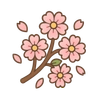
Cherry blossoms, known as Sakura in Japan, are the flowers of various cherry trees…
Reads at Grades 3–5 Listens at Grades 1–5
Print & create
Answer keys·No prep·Free with an account
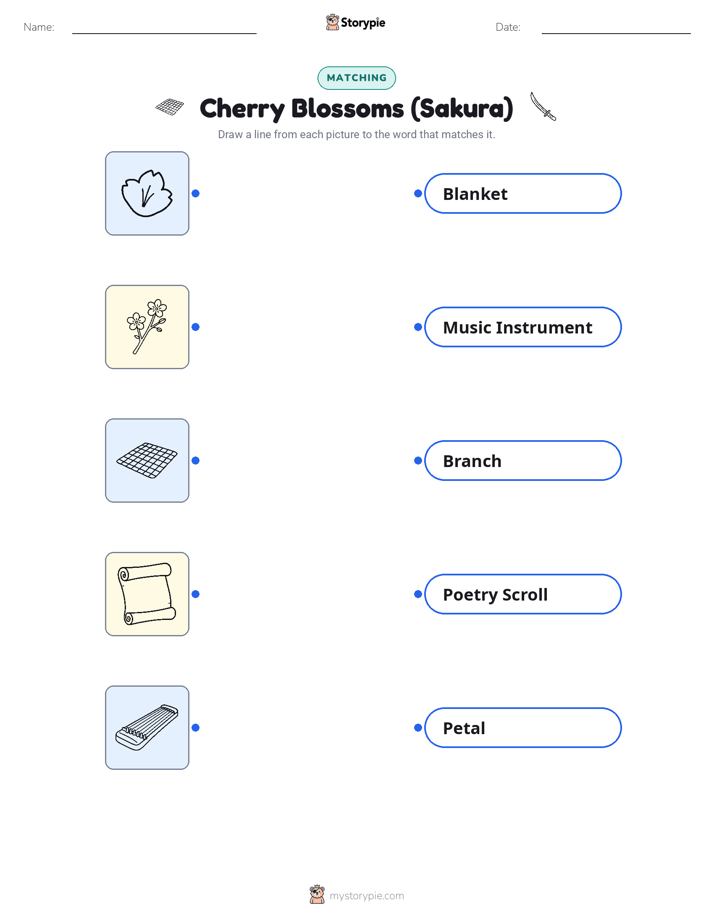
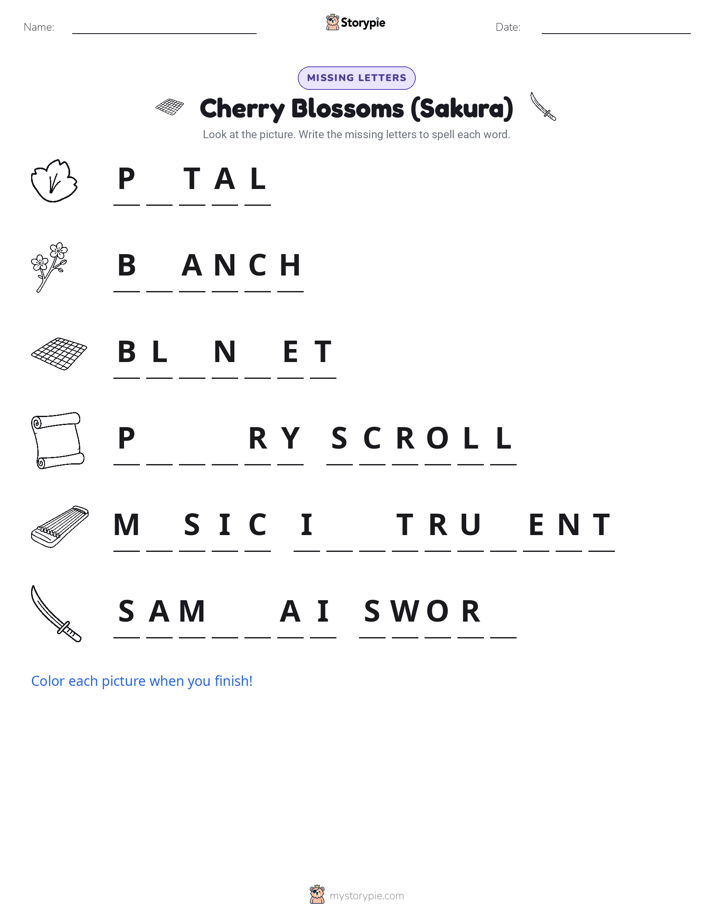
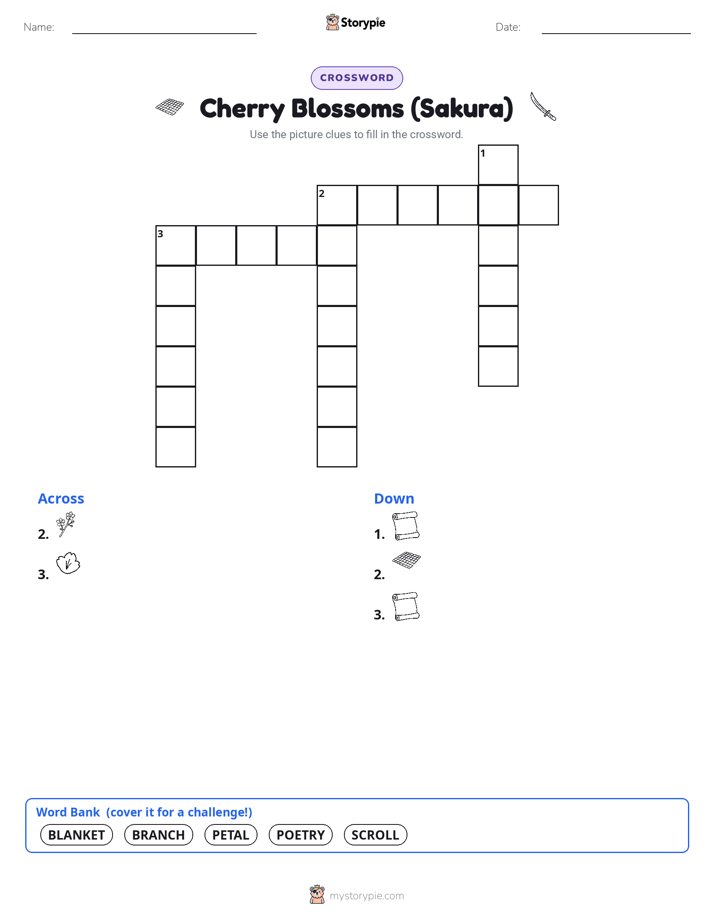
28 worksheets · answer keys · full story · quiz · Ages 8-10 · CEFR B1
Plus adds 208,000+ more stories in 27 languages, audio for every one, and printables for all of them.
Just want Cherry Blossoms (Sakura)?
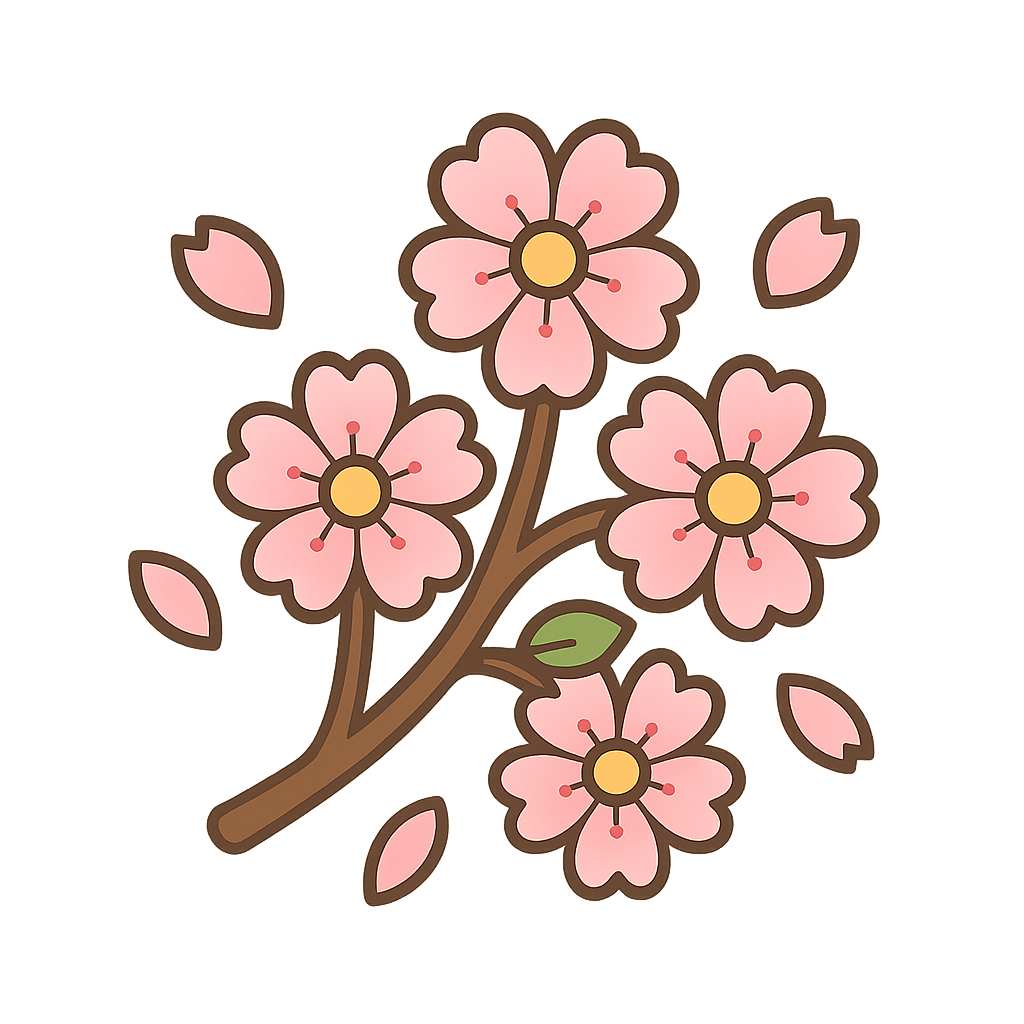
Imagine a world waking up from a long, chilly winter. The trees are bare, the air is crisp, and everyone is waiting for a sign that warmth is on its way. Then, almost overnight, a magical change happens. Branches that were empty just a day before suddenly burst into soft, fluffy clouds of pink and white. The air fills with a sweet, gentle perfume, and it feels like the whole world is smiling. Have you ever seen trees that look like they are covered in giant puffs of cotton candy. That’s me. I arrive to tell everyone that spring has returned, but I don’t stay for long. My visit is a beautiful, fleeting surprise, lasting only a week or two. This is what makes my time so precious. People gather under my branches for picnics, friends take long walks beneath my canopy, and families capture my beauty in photographs. In Japan, where my story is deeply cherished, they call me Sakura. You might know me as the Cherry Blossom.
My story is an old one, stretching back through centuries of Japanese history. It all began a very long time ago, during what is called the Nara period, from 710 to 794. Back then, nobles and members of the emperor's court would admire my blossoms, but I shared the spotlight with plum blossoms. It was during the next era, the Heian period between 794 and 1185, that I truly became a star. Emperors, like the famous Emperor Saga, began holding special parties just for me. They called these celebrations ‘hanami,’ which means ‘flower viewing.’ Guests would gather under my full bloom, feasting, playing music, and writing beautiful poems about my delicate petals. They saw my brief, brilliant life as a powerful symbol. It represented an idea they called ‘mono no aware,’ which is a gentle, thoughtful sadness for the beauty of things that cannot last forever. As time went on, my parties weren't just for royals. During the Edo period, from 1603 to 1868, everyone began to celebrate hanami. Even the brave samurai warriors felt a connection to me. They saw my petals falling at the peak of their beauty as a reflection of their own short, honorable lives. I became a celebration for all people, a time to come together and appreciate a beautiful moment.
My Life in Pink and White
Imagine a world waking up from a long, chilly winter. The trees are bare, the air is crisp, and everyone is waiting for a sign that warmth is on its way. Then, almost overnight, a magical change happens. Branches that were empty just a day before suddenly burst into soft, fluffy clouds of pink and white. The air fills with a sweet, gentle perfume, and it feels like the whole world is smiling. Have you ever seen trees that look like they are covered in giant puffs of cotton candy. That’s me. I arrive to tell everyone that spring has returned, but I don’t stay for long. My visit is a beautiful, fleeting surprise, lasting only a week or two. This is what makes my time so precious. People gather under my branches for picnics, friends take long walks beneath my canopy, and families capture my beauty in photographs. In Japan, where my story is deeply cherished, they call me Sakura. You might know me as the Cherry Blossom.
My story is an old one, stretching back through centuries of Japanese history. It all began a very long time ago, during what is called the Nara period, from 710 to 794. Back then, nobles and members of the emperor's court would admire my blossoms, but I shared the spotlight with plum blossoms. It was during the next era, the Heian period between 794 and 1185, that I truly became a star. Emperors, like the famous Emperor Saga, began holding special parties just for me. They called these celebrations ‘hanami,’ which means ‘flower viewing.’ Guests would gather under my full bloom, feasting, playing music, and writing beautiful poems about my delicate petals. They saw my brief, brilliant life as a powerful symbol. It represented an idea they called ‘mono no aware,’ which is a gentle, thoughtful sadness for the beauty of things that cannot last forever. As time went on, my parties weren't just for royals. During the Edo period, from 1603 to 1868, everyone began to celebrate hanami. Even the brave samurai warriors felt a connection to me. They saw my petals falling at the peak of their beauty as a reflection of their own short, honorable lives. I became a celebration for all people, a time to come together and appreciate a beautiful moment.
My branches have reached far across the world, carrying a message of peace and friendship. One of my most famous journeys was across the great Pacific Ocean to the United States. In the early 1900s, the friendship between Japan and America was growing stronger. To celebrate this bond, the mayor of Tokyo, Yukio Ozaki, decided to give a very special gift. On March 27th, 1912, Japan sent over 3,000 of my young saplings to Washington, D.C. It was a huge gesture of goodwill. When my little trees arrived, they were greeted with excitement. The First Lady of the United States, Helen Herron Taft, and the wife of the Japanese ambassador planted the very first two trees together on the banks of the Tidal Basin. That single act of kindness has since grown into something spectacular. Every spring, millions of people now visit the capital to see me in all my glory during the National Cherry Blossom Festival. It’s a wonderful party that honors the lasting friendship between two nations, all started by a simple gift of trees.
Today, I continue to be a promise of renewal all around the world. I am a colorful, fragrant reminder that even after the coldest and darkest of winters, spring will always return with warmth, beauty, and the chance for new beginnings. My short visit teaches an important lesson: to slow down, to look up, and to appreciate the beautiful, fleeting moments in our own lives. I connect people not only to nature but to each other, as they share in the simple joy of my arrival. So, the next time you see me painting the world in pink and white, take a moment to enjoy the view. I am nature's poem, a sign of hope, and a reminder to cherish every precious second. Don't worry if you miss me, I'll be back again next year.
Wow facts
About
Cherry blossoms, known as Sakura in Japan, are the flowers of various cherry trees, celebrated for their transient beauty and as a profound cultural symbol of spring, renewal, and the fleeting nature of life.
Take a Quiz
Question 1 of 5
What does the Japanese word 'hanami' mean in the story?
Explore next




Want to do even more?
Go beyond exploring. Unlock tools that turn every story into real learning.

Storypie Plus for families
Full stories, quizzes, and printables. Nights and car rides, sorted.
- Unlimited audio stories
- Create Mode: your child stars in the story
- Offline downloads
- Printable worksheets & coloring pages

Why Storypie for Schools
Students engaged. Prep in seconds. Evenings back to you.
- Worksheets & Quizzes
- Classroom Management
- Formative Assessment
- Custom Curriculum & Lesson Plans
- 27 Languages

Why Storypie for Homeschool
Curriculum done. They'll ask for more. Hours back in your day.
- Worksheet Generator
- First-Person Audio Stories
- Built-in Comprehension Quizzes
- Custom Curriculum & Lesson Plans
- Print & Go Activities