

 English

The Day We Gave the Earth a Voice
My name is Gaylord Nelson, and I had the honor of serving as a senator for the beautiful state of Wisconsin. Growing up there, I fell in love with the outdoors. I loved the crisp air, the clear lakes, and the quiet forests. It was a part of who I was. But by the 1960s, I saw a change happening all across America, and it worried me deeply. The air in our big cities was becoming thick with brown smog that made your eyes water. Our rivers, once full of life, were becoming dumping grounds for factories. I remember hearing stories about the Cuyahoga River in Ohio, which was so polluted with oil and chemicals that it actually caught fire. People were driving big, gas-guzzling cars and tossing trash out of their windows without a second thought. It seemed like we were treating our planet like a giant garbage can, and nobody was paying attention.
The real turning point for me came on a trip to California in 1969. A massive oil rig had malfunctioned off the coast of Santa Barbara, spilling millions of gallons of crude oil into the ocean. When I flew over the coastline, I was horrified. I saw a thick, black sludge covering miles of beautiful beaches, trapping birds and killing sea life. It was a disaster, a terrible wound on the face of the Earth. At that moment, I knew that simply giving speeches in the Senate wasn't enough. We had to do something so big, so loud, that it would shake the country awake and force everyone to see the environmental crisis we were facing.
I spent a lot of time thinking about how to get everyone’s attention. Around that same time, college students across the country were organizing events called “teach-ins” to protest the Vietnam War. They were passionate, organized, and they were making people listen. A lightbulb went off in my head. What if we could use that same energy, that same idea of a nationwide teach-in, but focus it on the environment? It was a simple idea, but I felt a jolt of excitement. This could work. The challenge, of course, was that this was long before the internet or email. We couldn’t just create a social media event and watch it go viral. We had to do it the old-fashioned way.
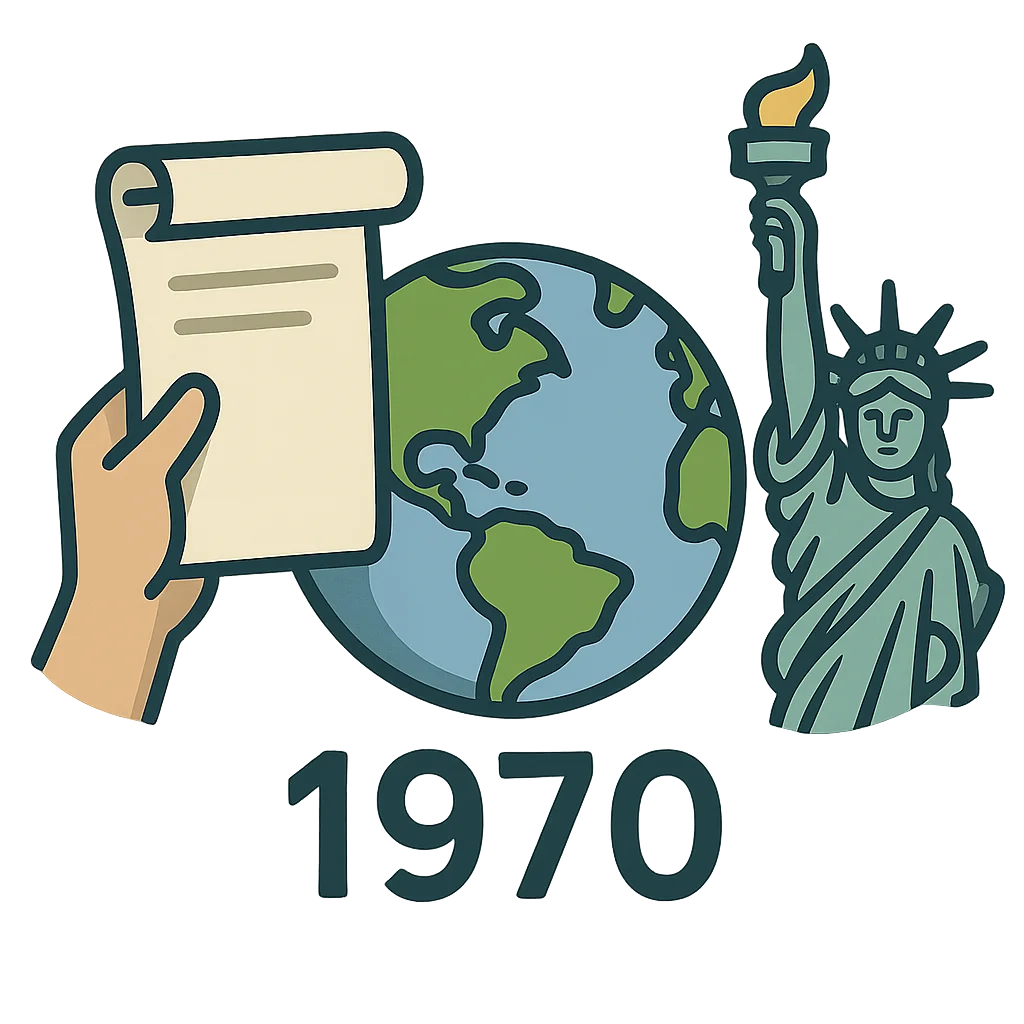
I started by giving speeches and writing letters to anyone I thought might help. Then, I found the perfect person to lead the national effort: a passionate young law student from Harvard named Denis Hayes. Denis was only 25, but he had incredible energy and a brilliant mind for organizing. I hired him and a small team of other young people to work out of a small office in Washington, D.C. Their job was to coordinate this massive, nationwide event. We chose a date that we hoped would work best for college students: April 22nd, 1970, a Wednesday that fell between spring break and final exams. We called it Earth Day. We sent out thousands of letters to schools, community groups, and mayors, hoping our idea would catch on. At first, the response was slow, but then, like a snowball rolling downhill, it started to grow, bigger and faster than we ever could have imagined.
When I woke up on the morning of April 22nd, 1970, I had no idea what to expect. Had our hard work paid off? Would anyone actually show up? The reports that started trickling in left me speechless. It wasn't just a few thousand people; it was millions. An estimated 20 million Americans—one out of every ten people in the country at the time—stepped out of their homes and offices to participate. The day was more incredible than my wildest dreams. In New York City, the mayor shut down Fifth Avenue, and a hundred thousand people filled the streets for a massive rally. In Philadelphia, thousands gathered to listen to speakers and music. All across the country, students organized campus clean-ups, families planted trees in their local parks, and scientists held lectures about pollution and conservation.
I flew to several cities that day to speak, and everywhere I went, I saw the same incredible sight: people from all walks of life, young and old, Republicans and Democrats, city dwellers and farmers, all standing together for a common cause. I remember standing on a stage in Denver, looking out at a sea of thousands of faces. They weren't just protesting; they were celebrating our planet and demanding its protection. I felt a profound sense of hope. For the first time, I felt we were no longer just a few concerned voices. On that day, we were a chorus, and our message was so loud and clear that it could not be ignored. We had given the Earth a voice, and the people of America were singing its song.
The impact of that first Earth Day was immediate and powerful. The politicians in Washington, D.C., who had previously ignored environmental issues, suddenly had to pay attention. The message from 20 million people was undeniable. Later that year, in December of 1970, the United States government created the Environmental Protection Agency (EPA), a new federal agency dedicated to protecting our nation's air, water, and land. The wave of public support also led to the passage of some of our country's most important environmental laws, like the Clean Air Act, the Clean Water Act, and the Endangered Species Act. These laws have helped save countless animals from extinction and have made our country a healthier place to live.
That single idea, born from the frustration of seeing our beautiful world polluted, grew into a global movement that continues to this day. It all started with a simple question: what if we all came together for just one day to stand up for our planet? My message to you is this: never underestimate the power of your own voice and your own ideas. Be curious, ask questions, and care deeply about the world around you. Just as we did in 1970, you have the power to join with others and create a wave of change that can protect our precious planet for generations to come.
Activities
Take a Quiz
Test what you learned with a fun quiz!
Get creative with colors!
Print a coloring book page of this topic.















 Free for Educators