English

King John and the Great Charter
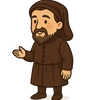
Hello there. You may bow, for I am John, King of England. Being king has its wonderful moments, I must admit. I live in grand stone castles with tapestries hanging on the walls, I wear clothes made of the finest velvet, and my feasts are legendary. But being a king isn't just about wearing a heavy crown and sitting on a throne. It is a tremendous responsibility, and a very tricky one at that. A kingdom needs money to run—to pay for soldiers to protect our lands, to build roads, and to keep everything in order. I had been fighting wars in France, and wars are terribly expensive. To pay for them, I had to ask the most powerful men in my kingdom, the barons, for more and more money. They were not pleased. They grumbled that my taxes were too high and that some of my decisions were simply unfair. They felt I was acting like a king who could do whatever he wanted, without listening to anyone. And I suppose, if I am being honest, they had a point. Their grumbling grew louder and louder until it became a roar I could no longer ignore. A great disagreement was brewing in my kingdom, and I was right in the middle of it.
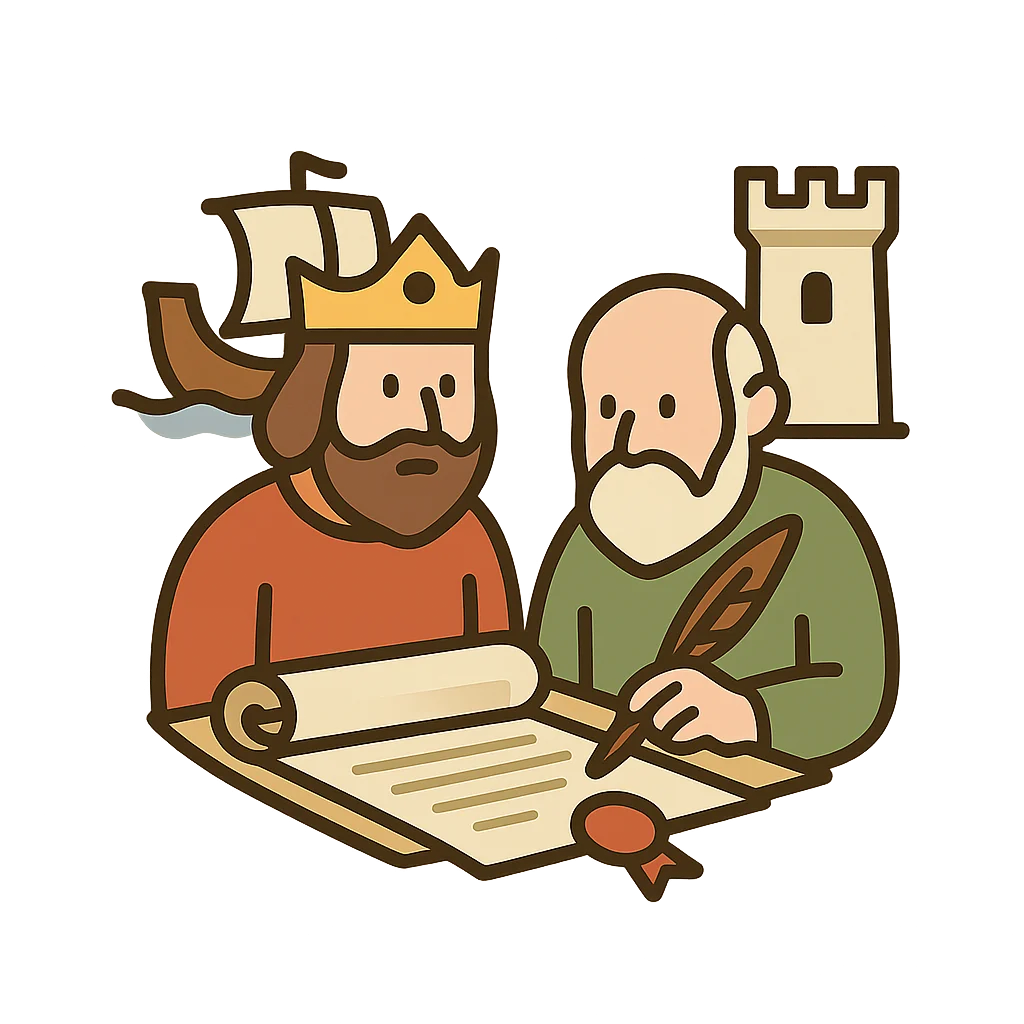
The day I remember most clearly was June 15th, in the year 1215. The air was thick with tension as my royal procession made its way to a green meadow by the River Thames. The place was called Runnymede. Waiting for me there were the barons, standing in a stern line, their armor glinting in the sunlight. Their faces were grim, and not a single one of them smiled as I approached. They did not come for a friendly chat. They came with a demand. One of them stepped forward and unrolled a long piece of parchment. It was covered in fancy writing, a list of rules they wanted me to follow. They called it the Magna Carta, which is just a fancy way of saying the ‘Great Charter.’ I listened as they explained its points. It said that even a king—me!—had to obey the laws of the land. It declared that no free man could be thrown in prison without a fair reason and a proper trial by his peers. And, most importantly to them, it stated that I could not demand new taxes or take their money without first getting the agreement of the kingdom's leading men. My heart pounded with anger. Who were they to tell me, the King, what to do? My power felt like it was slipping away, like sand through my fingers. But I looked at their serious faces and the soldiers standing behind them, and I knew I had no choice. With a heavy sigh, I took my royal seal—a special stamp with my symbol on it—and pressed it into the hot wax at the bottom of the parchment. With that single act, I had made a promise that would change England forever.
In that moment at Runnymede, I felt defeated. I was a king who had been forced to give up some of his power. I was angry and I thought the barons had weakened me. For a time, I even tried to go back on my word. But as the years passed, the importance of that day became clearer, not just for me, but for the entire world. That ‘Great Charter’ I sealed was more than just a list of rules for a grumpy king. It planted a seed, a tiny but powerful idea that everyone, from the poorest farmer to the mightiest ruler, has rights that must be respected. The idea that no leader should be above the law was revolutionary. It was a promise of fairness. That seed grew into a mighty tree over hundreds of years. Its branches reached across oceans, inspiring people in faraway lands, even in the new country that would one day be called America, to create their own rules for freedom and justice. Looking back, my role was not one of weakness, but of being part of the first step. That promise made in a meadow on a summer day became a symbol of liberty for people everywhere, a reminder that even a king must answer to the law.