

 English

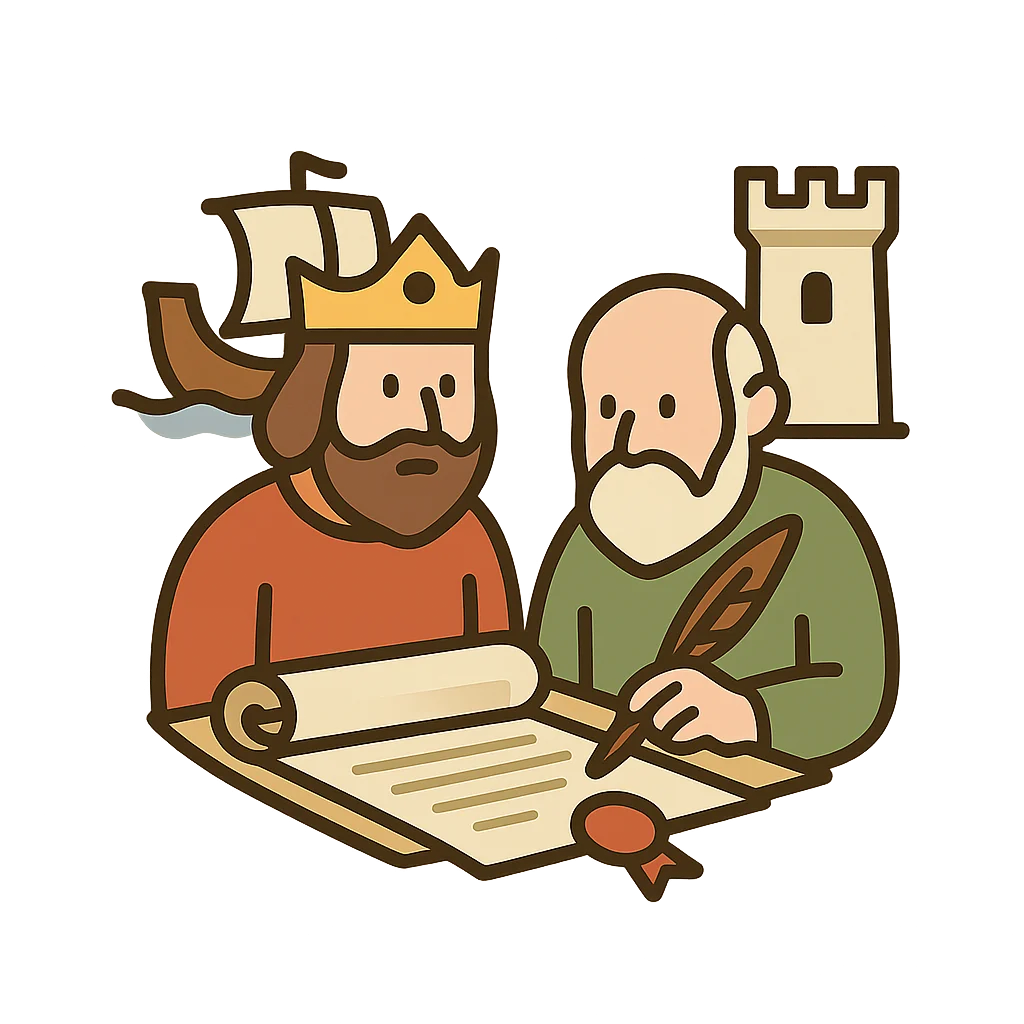
King John and the Great Promise
Hello there. My name is John, and a long, long time ago, I was the King of England. Being king was quite something. If I wanted a bigger castle, I built one. If I wanted a fancy feast with roasted chickens and sweet cakes, my cooks would make it right away. I thought that because I was the king, I could do whatever I pleased. But some of my most important helpers, who were called barons, started to get very cross with me. You see, I was always asking them for money to pay for my armies and my castles. I would say, "I need more gold coins." And they would grumble, "But you just asked for some last month." They felt it wasn't fair that I could just take whatever I wanted, whenever I wanted. They started whispering to each other, and their faces looked very serious. I knew I had a big problem on my hands. They believed that even a king should have to follow rules.
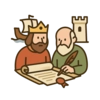
Finally, the day came when the barons asked me to meet them. It was a sunny day, on June 15th, in the year 1215. I rode my horse to a big, green meadow called Runnymede, right next to a gently flowing river. But this was not a happy picnic. The barons were all there, standing tall with their arms crossed. Their faces were as serious as a cloudy day, and no one was smiling. My heart went thump-thump-thump in my chest because I wasn't used to people telling me what to do. One of the barons stepped forward, holding a giant piece of parchment. It was like the biggest piece of paper I had ever seen, covered in fancy writing from top to bottom. "Your Majesty," he said, his voice deep and strong, "we have written down some rules. We believe everyone in England, even the king, must follow them." I looked at all their determined faces and then at the long list of words on the parchment. They called it the Magna Carta, which means "Great Charter." I felt a little bit scared, but deep down, I knew they were right. It was time for me to listen and be a better king for my people.
So, what did this Magna Carta say? It was a list of promises. It promised that I couldn't just take people's money or land without a good reason. It promised that everyone had a right to a fair trial, which means you can't be put in jail unless you've really broken a rule. It was a big deal because it meant that the king wasn't above the law—I had to follow the rules, just like everyone else. To show that I agreed, I didn't sign my name with a pen. Instead, I took my special ring, my royal seal, and pressed it hard into a blob of warm, red wax at the bottom of the parchment. That seal was my promise. That day, we made a change that would last for hundreds of years. The Magna Carta was a very important step toward making sure leaders are always fair. It taught everyone that rules are for the safety and happiness of all people, from the smallest farmer to the mightiest king.
Activities
Take a Quiz
Test what you learned with a fun quiz!
Get creative with colors!
Print a coloring book page of this topic.











 Free for Educators