English

Passover
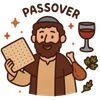
A major Jewish festival commemorating the liberation of the Israelites from slavery in ancient Egypt…
Reads at Grades 3–5 Listens at Grades 1–5
Print & create
Answer keys·No prep·Free with an account
28 worksheets · answer keys · full story · quiz · Ages 8-10 · CEFR B1
Plus adds 273,000+ more stories in 27 languages, audio for every one, and printables for all of them.
Just want Passover?
I am Passover, a Jewish holiday that celebrates freedom. My Hebrew name is Pesach, and for thousands of years, people have observed me as a time of remembrance and joy. My central purpose is to commemorate the story told in the Torah about the Israelites' escape from slavery in ancient Egypt. I am a holiday that looks back on a difficult past to honor the journey toward liberty. This story of liberation is at the heart of all my traditions, reminding people each year about the importance of freedom for everyone.
My observance is built around the biblical narrative of the Exodus. This story tells of a time when the Israelite people were enslaved in Egypt, forced to perform hard labor under a cruel ruler known as the Pharaoh. A leader named Moses was chosen to speak to the Pharaoh, asking him to release the Israelites from bondage. The Pharaoh refused many times. According to the narrative, ten destructive plagues were sent to Egypt to convince him. After the final plague, the Pharaoh at last agreed to let the people go. With great urgency, the Israelites left Egypt and began a long and challenging journey to freedom, an event that would become the foundation of my existence.
On my first one or two nights, many Jewish families and friends gather for a special meal and ceremony called a Seder. The Seder is a carefully structured event where the story of the Exodus is told in detail. Participants use a book called the Haggadah, which means “the telling” in Hebrew. This book acts as a guide, providing the order of the meal with prayers, blessings, and the text of the story. The Seder is designed to be an interactive experience. It includes many songs and discussions, and it famously encourages questions. One of my most beloved traditions is when the youngest person present asks the Four Questions, which all begin by asking why this night is different from all other nights. This custom ensures that the story is passed down from one generation to the next.
I Am Passover
I am Passover, a Jewish holiday that celebrates freedom. My Hebrew name is Pesach, and for thousands of years, people have observed me as a time of remembrance and joy. My central purpose is to commemorate the story told in the Torah about the Israelites' escape from slavery in ancient Egypt. I am a holiday that looks back on a difficult past to honor the journey toward liberty. This story of liberation is at the heart of all my traditions, reminding people each year about the importance of freedom for everyone.
My observance is built around the biblical narrative of the Exodus. This story tells of a time when the Israelite people were enslaved in Egypt, forced to perform hard labor under a cruel ruler known as the Pharaoh. A leader named Moses was chosen to speak to the Pharaoh, asking him to release the Israelites from bondage. The Pharaoh refused many times. According to the narrative, ten destructive plagues were sent to Egypt to convince him. After the final plague, the Pharaoh at last agreed to let the people go. With great urgency, the Israelites left Egypt and began a long and challenging journey to freedom, an event that would become the foundation of my existence.
On my first one or two nights, many Jewish families and friends gather for a special meal and ceremony called a Seder. The Seder is a carefully structured event where the story of the Exodus is told in detail. Participants use a book called the Haggadah, which means “the telling” in Hebrew. This book acts as a guide, providing the order of the meal with prayers, blessings, and the text of the story. The Seder is designed to be an interactive experience. It includes many songs and discussions, and it famously encourages questions. One of my most beloved traditions is when the youngest person present asks the Four Questions, which all begin by asking why this night is different from all other nights. This custom ensures that the story is passed down from one generation to the next.
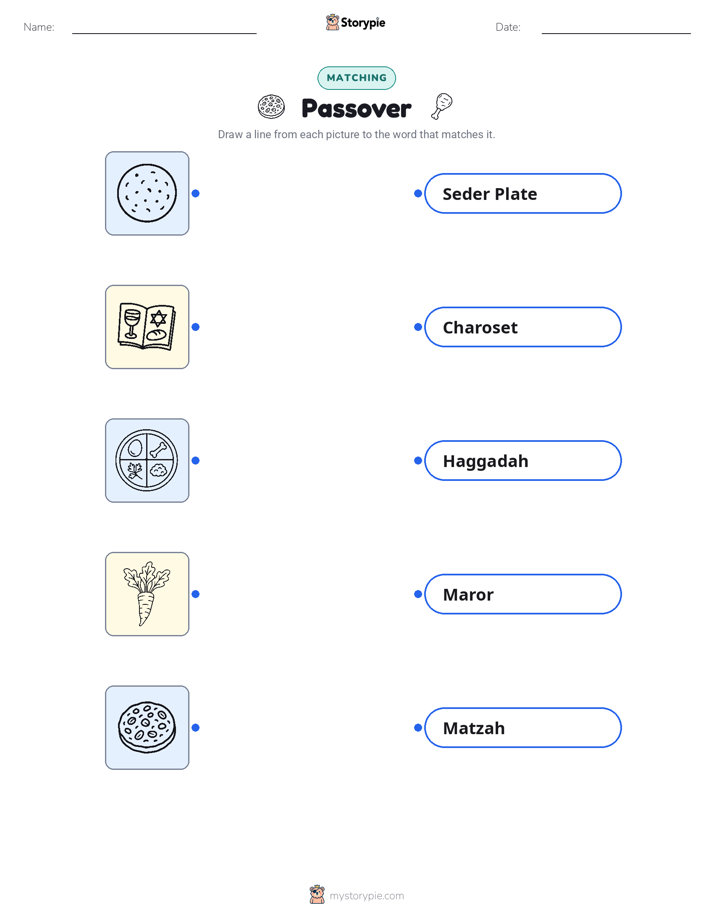
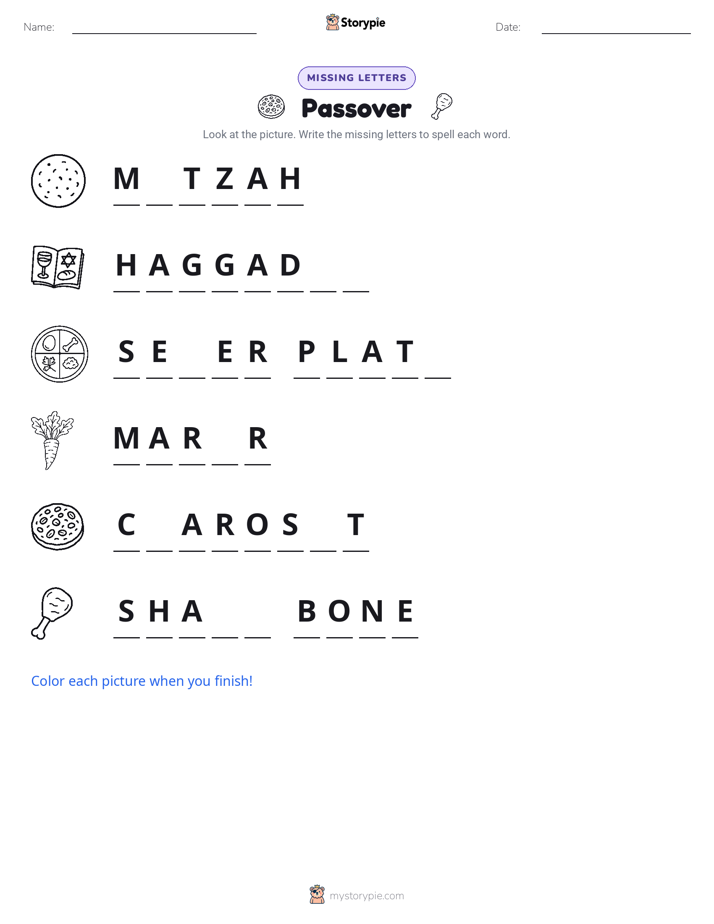
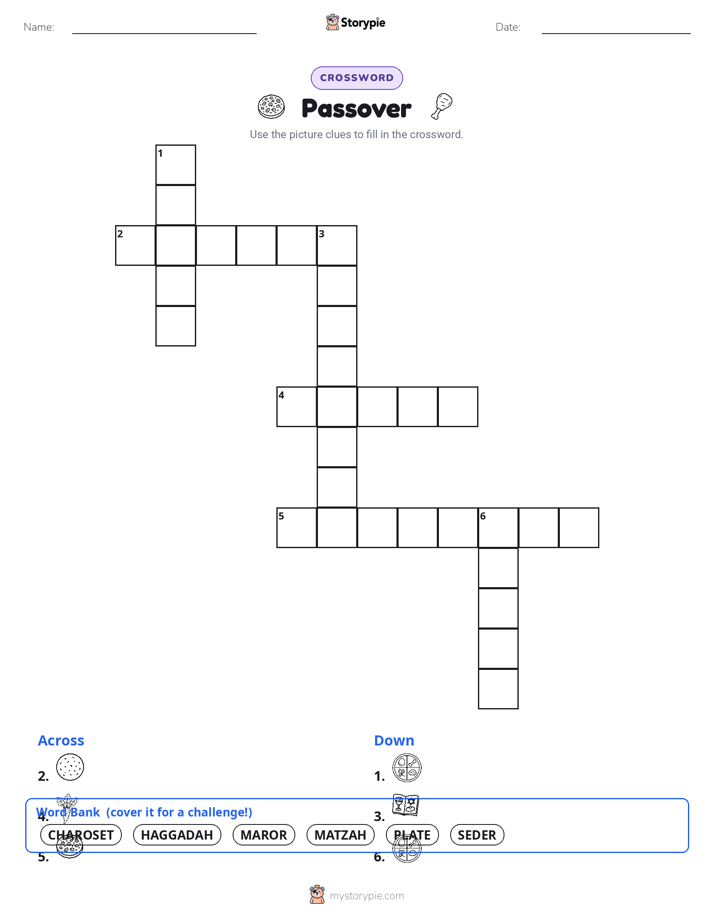
The foods served during my observance are deeply symbolic, with each item helping to tell a part of the Exodus story. The most significant food is matzah, a thin, flat, unleavened bread. It is eaten to remember the great haste in which the Israelites fled Egypt; they left so quickly that their bread did not have time to rise. During the Seder, a special Seder plate is placed on the table, holding several symbolic foods. Among them are maror, which are bitter herbs like horseradish. The maror represents the sharp bitterness and pain of slavery. Another item is charoset, a sweet paste made from fruits and nuts. Its texture and appearance are meant to look like the mortar that the enslaved Israelites were forced to use to make bricks for the Pharaoh’s buildings.
I arrive each year in the spring, beginning on the 15th day of the Hebrew month of Nisan. The Hebrew calendar is based on the moon, so my date on the more widely used Gregorian calendar changes from year to year. My duration also varies. In Israel, I am observed for seven days, while in many other Jewish communities around the world, I last for eight days. Throughout this entire period, people who observe me avoid eating any foods described as chametz. Chametz refers to any food that is made with leavened grain, like bread, pasta, and cookies. In preparation for my arrival, many families undertake a major spring cleaning, carefully searching their homes to remove every last crumb of chametz.
Today, I am observed by Jewish people all over the world. My ancient story of liberation continues to inspire people to connect that struggle to the modern-day quest for freedom and justice for all. While my core traditions, like the Seder, have been practiced for centuries, each family and community brings its own unique customs to the celebration. They might add new songs, have deep discussions about the meaning of freedom today, or include readings that relate to current events. I am a time for families and communities to come together, to remember the past, and to reflect on the powerful and timeless meaning of freedom.
Wow facts
About
A major Jewish festival commemorating the liberation of the Israelites from slavery in ancient Egypt, as described in the Book of Exodus.
Take a Quiz
Question 1 of 5
What is the Haggadah, and what is its purpose during the Seder?
Want to do even more?
Go beyond exploring. Unlock tools that turn every story into real learning.

Storypie Plus for families
Full stories, quizzes, and printables. Nights and car rides, sorted.
- Unlimited audio stories
- Create Mode: your child stars in the story
- Offline downloads
- Printable worksheets & coloring pages

Why Storypie for Schools
Students engaged. Prep in seconds. Evenings back to you.
- Worksheets & Quizzes
- Classroom Management
- Formative Assessment
- Custom Curriculum & Lesson Plans
- 27 Languages

Why Storypie for Homeschool
Curriculum done. They'll ask for more. Hours back in your day.
- Worksheet Generator
- First-Person Audio Stories
- Built-in Comprehension Quizzes
- Custom Curriculum & Lesson Plans
- Print & Go Activities