English

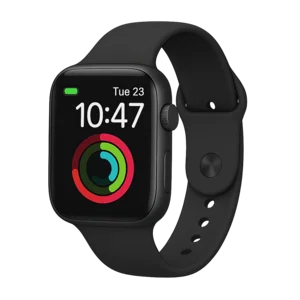
Smartwatch
A smartwatch is a wearable computer in the form of a wristwatch…
Reads at Grades 6–8 Listens at Grades 4–8
Print & create
Answer keys·No prep·Free with an account
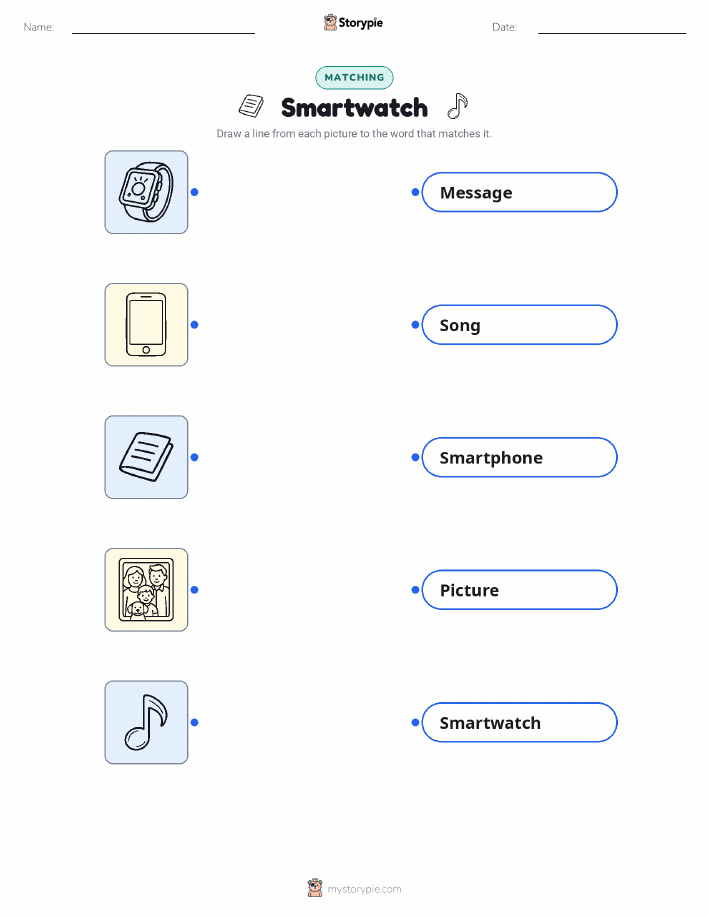
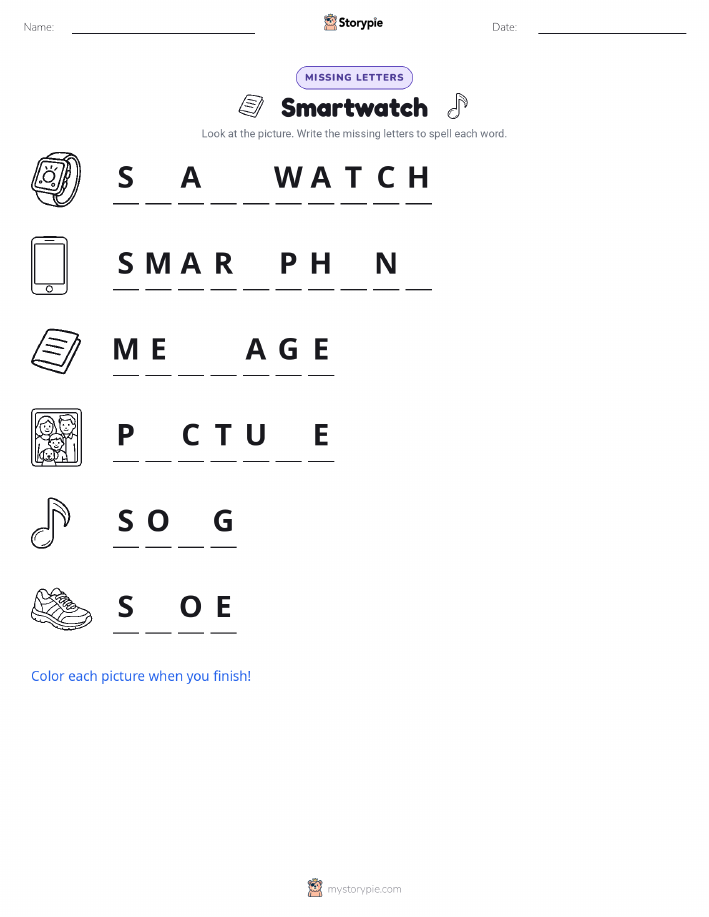
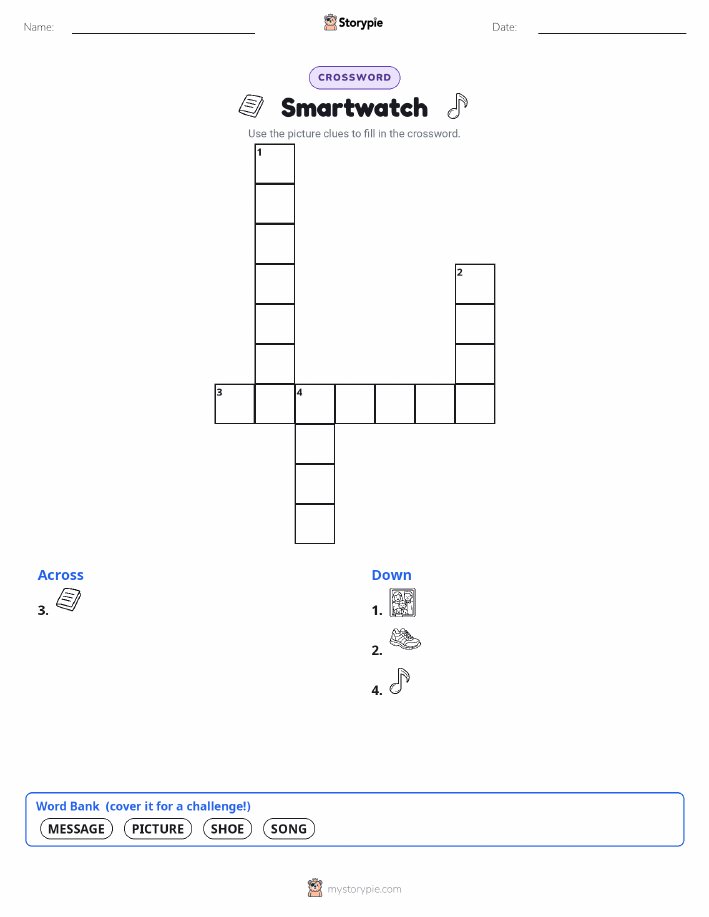
28 worksheets · answer keys · full story · quiz · Ages 10-12 · CEFR B2
Plus adds 280,000+ more stories in 27 languages, audio for every one, and printables for all of them.
Just want Smartwatch?
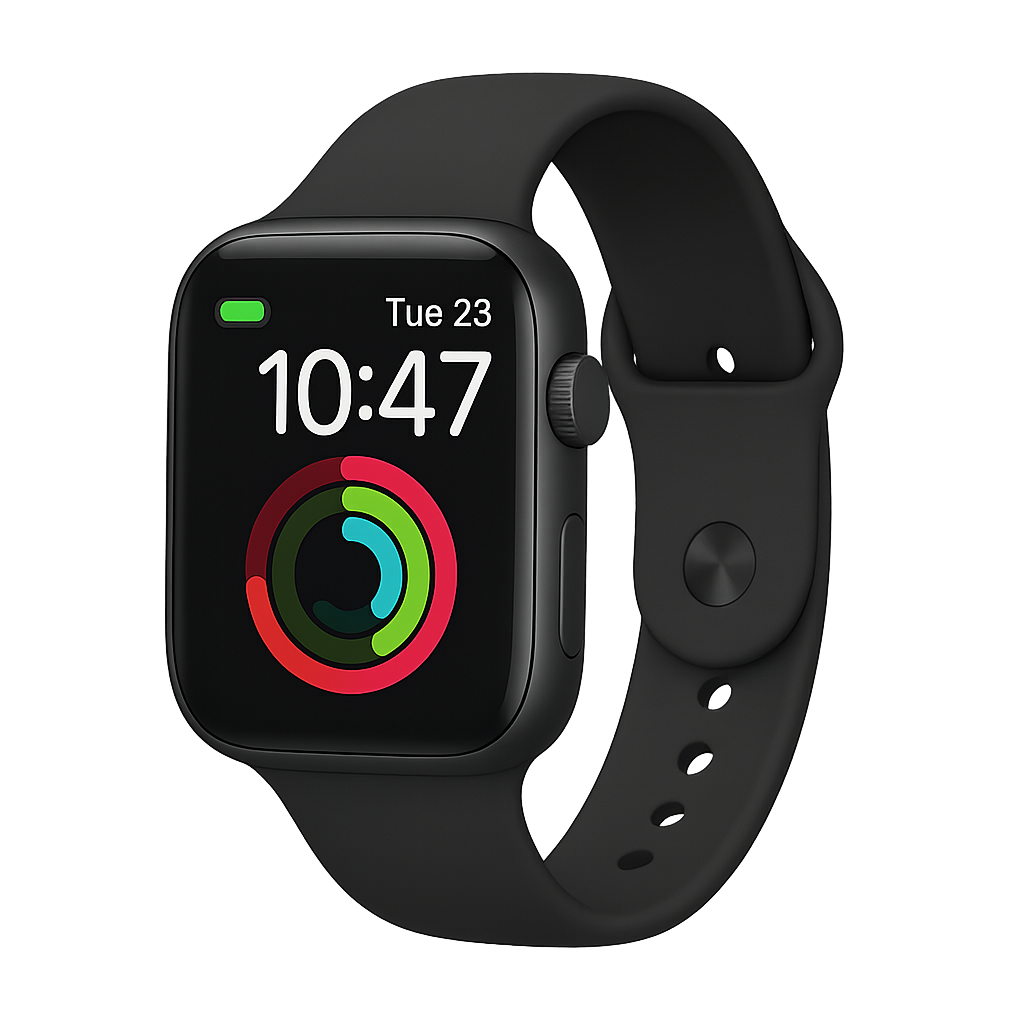
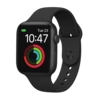
Hello from your wrist. That’s me, the smooth, cool glass that lights up with a friendly greeting when you turn your arm. I’m your Smartwatch, and I spend my days right here with you, a quiet but busy companion. I can give you a gentle buzz to let you know a friend has sent a message, show you a picture of your family, or play your favorite song to get you energized for a run. I count every step you take on an adventure and can even remind you to stand up and stretch. I feel sleek, modern, and full of endless possibilities. You might think I just magically appeared a few years ago, a direct descendant of the smartphone in your pocket. But my family tree has much deeper, and far more awkward, roots.
My story doesn’t begin in a high-tech lab with wireless signals, but in a time of clunky gadgets and bold ideas. Before I could track your heart rate, my earliest ancestors were just trying to solve math problems or show a grainy television program on a screen no bigger than a postage stamp. They were pioneers, dreaming of a future where technology could live on a person’s wrist. They were a bit clumsy and not always practical, but without their brave first steps, I would never have been born. Their story is my story, a long journey of trial, error, and imagination that brought me here, to you.
A Partner in Time: The Story of the Smartwatch
Hello from your wrist. That’s me, the smooth, cool glass that lights up with a friendly greeting when you turn your arm. I’m your Smartwatch, and I spend my days right here with you, a quiet but busy companion. I can give you a gentle buzz to let you know a friend has sent a message, show you a picture of your family, or play your favorite song to get you energized for a run. I count every step you take on an adventure and can even remind you to stand up and stretch. I feel sleek, modern, and full of endless possibilities. You might think I just magically appeared a few years ago, a direct descendant of the smartphone in your pocket. But my family tree has much deeper, and far more awkward, roots.
My story doesn’t begin in a high-tech lab with wireless signals, but in a time of clunky gadgets and bold ideas. Before I could track your heart rate, my earliest ancestors were just trying to solve math problems or show a grainy television program on a screen no bigger than a postage stamp. They were pioneers, dreaming of a future where technology could live on a person’s wrist. They were a bit clumsy and not always practical, but without their brave first steps, I would never have been born. Their story is my story, a long journey of trial, error, and imagination that brought me here, to you.
Wow facts
About
A smartwatch is a wearable computer in the form of a wristwatch; modern smartwatches provide a touchscreen interface for daily use, while a companion smartphone app provides for management and telemetry.
Take a Quiz
Question 1 of 5
Retell the smartwatch's family history in your own words, starting from its earliest ancestors and ending with its arrival as a popular device.
Explore next





Want to do even more?
Go beyond exploring. Unlock tools that turn every story into real learning.

Storypie Plus for families
Full stories, quizzes, and printables. Nights and car rides, sorted.
- Unlimited audio stories
- Create Mode: your child stars in the story
- Offline downloads
- Printable worksheets & coloring pages

Why Storypie for Schools
Students engaged. Prep in seconds. Evenings back to you.
- Worksheets & Quizzes
- Classroom Management
- Formative Assessment
- Custom Curriculum & Lesson Plans
- 27 Languages

Why Storypie for Homeschool
Curriculum done. They'll ask for more. Hours back in your day.
- Worksheet Generator
- First-Person Audio Stories
- Built-in Comprehension Quizzes
- Custom Curriculum & Lesson Plans
- Print & Go Activities