

 English

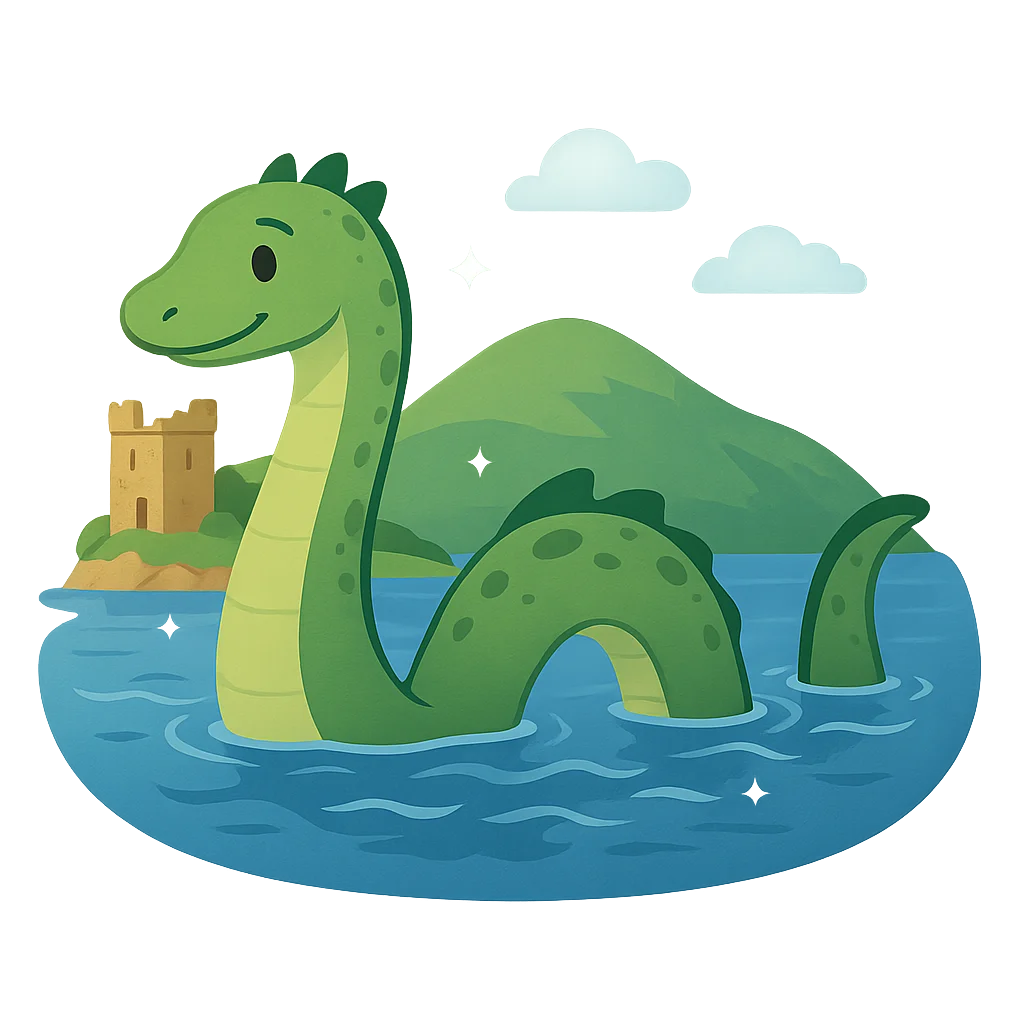
The Myth of the Loch Ness Monster
My name is Angus, and my family has lived on the shores of Loch Ness for more generations than there are stones in Urquhart Castle. The wind here carries old stories, and the water, which is as dark as polished jet, holds secrets deeper than anyone can measure. Some evenings, when the mist rolls down from the Highlands and blankets the surface of the loch, it feels like the world is holding its breath, waiting for something ancient to stir. The air grows still, the birds quiet down, and the only sound is the gentle lapping of water against the pebbled shore. It’s in these moments that you can feel the weight of centuries pressing in, a palpable sense of history that lives and breathes in this place. My grandfather used to tell me that the loch has a guardian, a creature as old as the hills themselves, and that to see it is a sign of a special connection to this land. He’d sit me by the fire, his eyes twinkling in the flickering light, and speak of a great beast not with fear, but with a profound respect, as if talking about a reclusive old king. He called it the 'each-uisge,' the water horse of our ancestors, a powerful spirit of the deep. For me, these weren't just spooky tales; they were part of my identity, woven into the fabric of my home. This is the story of that guardian, our mystery, which the world knows as the myth of the Loch Ness Monster.
Our local legend began its journey into global fame over a thousand years ago. The first recorded tale comes from the 6th century, involving a holy man named St. Columba who was visiting the area. The story goes that he encountered a fearsome 'water beast' in the River Ness, which flows from the loch. With nothing but the power of his voice, he commanded it to retreat, and the legend says it obeyed him without question. For centuries after that, tales of a 'water horse' were whispered around firesides, but they were just our stories, belonging to the glens and the misty waters. Everything changed on July 22nd, 1933. A couple named George and Aldie Spicer were driving along the newly built road that hugs the loch’s shore when they slammed on their brakes. In front of them, an enormous, long-necked creature with a bulky body lumbered across the road and slid into the water. Their sensational story, published in the Inverness Courier, was like a spark in a dry forest; suddenly, the world wanted to know about our monster. The next year, on April 21st, 1934, the final piece of the puzzle fell into place. The famous 'Surgeon's Photograph' was published in a London newspaper, showing a graceful head and neck rising from the water. That single, ghostly image became the definitive portrait of 'Nessie.' The floodgates opened. Tourists, scientists, and adventurers flocked here from every corner of the globe. They brought sonar equipment that pinged into the depths, miniature submarines that explored the murky abyss, and cameras with massive lenses, all hoping for that one definitive glimpse. I’ve spent countless hours skipping stones across that same surface, my eyes scanning the vast expanse of water, feeling the electric thrill of the unknown. We locals learned to live with the fame. We’d share our own family stories, some of which were just tall tales for the tourists, but others held a genuine sense of wonder. Even when the Surgeon's Photograph was revealed to be a clever hoax in the 1990s, the mystery didn't die. It was never about one picture; it was about the enduring, tantalizing possibility.
So, is Nessie real? I’ve watched the water my whole life, from the calm, glassy mornings of summer to the furious, churning storms of winter, and I can tell you this: the loch keeps its secrets well. I have seen strange ripples when there was no wind and have glimpsed shapes in the deep that my mind couldn't quite explain. But the truth of the Loch Ness Monster isn't just about finding a prehistoric creature swimming in the depths. It’s about what the search represents. It is about humanity’s unquenchable fascination with the unknown and the thrilling idea that there are still great mysteries left to solve in our modern world. The legend of Nessie has inspired scientists to develop new underwater technology, artists to paint its imagined form, and storytellers to write countless books and movies that have captured the imaginations of millions. It has turned this quiet corner of Scotland into a place where people from every country can come together and share a powerful sense of wonder. The myth reminds us to look beyond the surface of things, to question, to imagine, and to believe that the world is more magical than it sometimes seems. And as long as the waters of Loch Ness remain deep and dark, the story of its most famous resident will continue to ripple through time, inviting us all to keep searching for the mysteries that lie just beneath the surface.
Activities
Take a Quiz
Test what you learned with a fun quiz!
Get creative with colors!
Print a coloring book page of this topic.
















 Free for Educators