English

Yama-uba
Yama-uba is a complex and monstrous figure from Japanese folklore…
Reads at Grades K-2 Listens at K–3
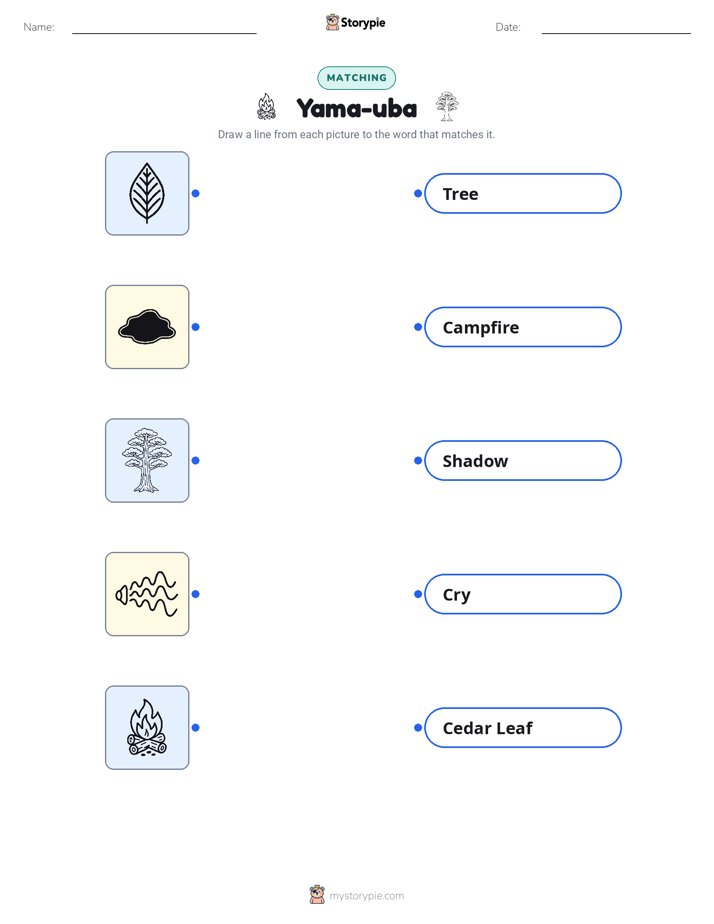
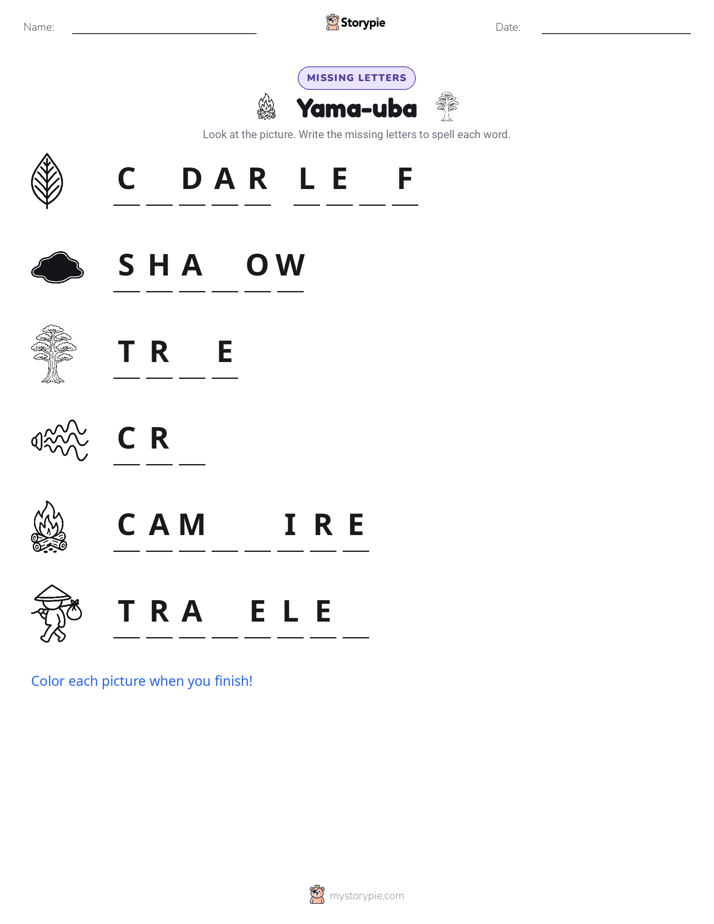
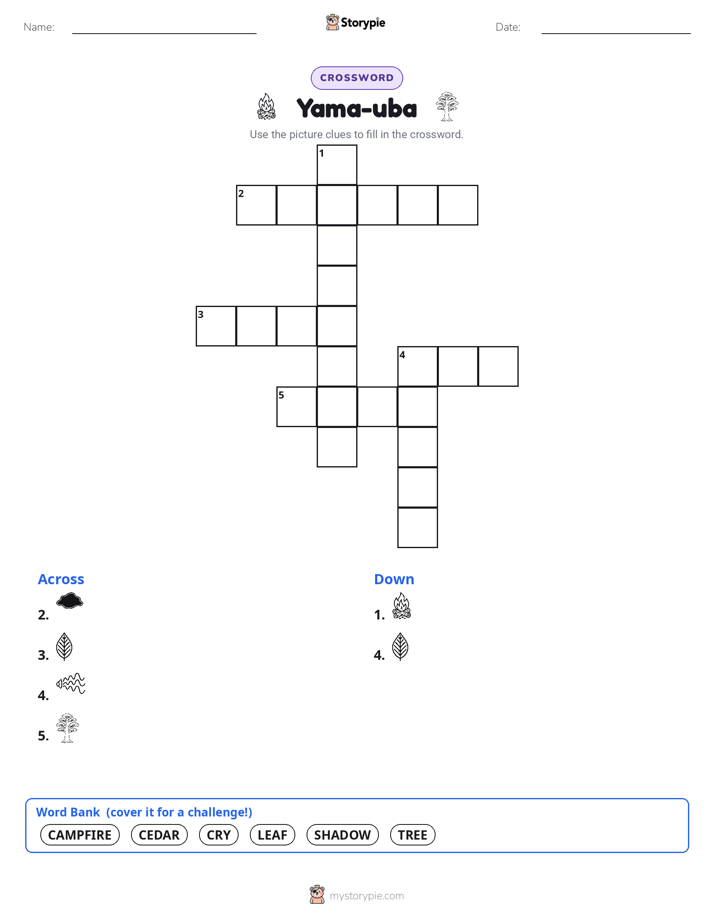
Print & create
Answer keys·No prep·Free with an account
28 worksheets · answer keys · full story · quiz · Ages 6-8 · CEFR A2
Plus adds 208,000+ more stories in 27 languages, audio for every one, and printables for all of them.
Just want Yama-uba?
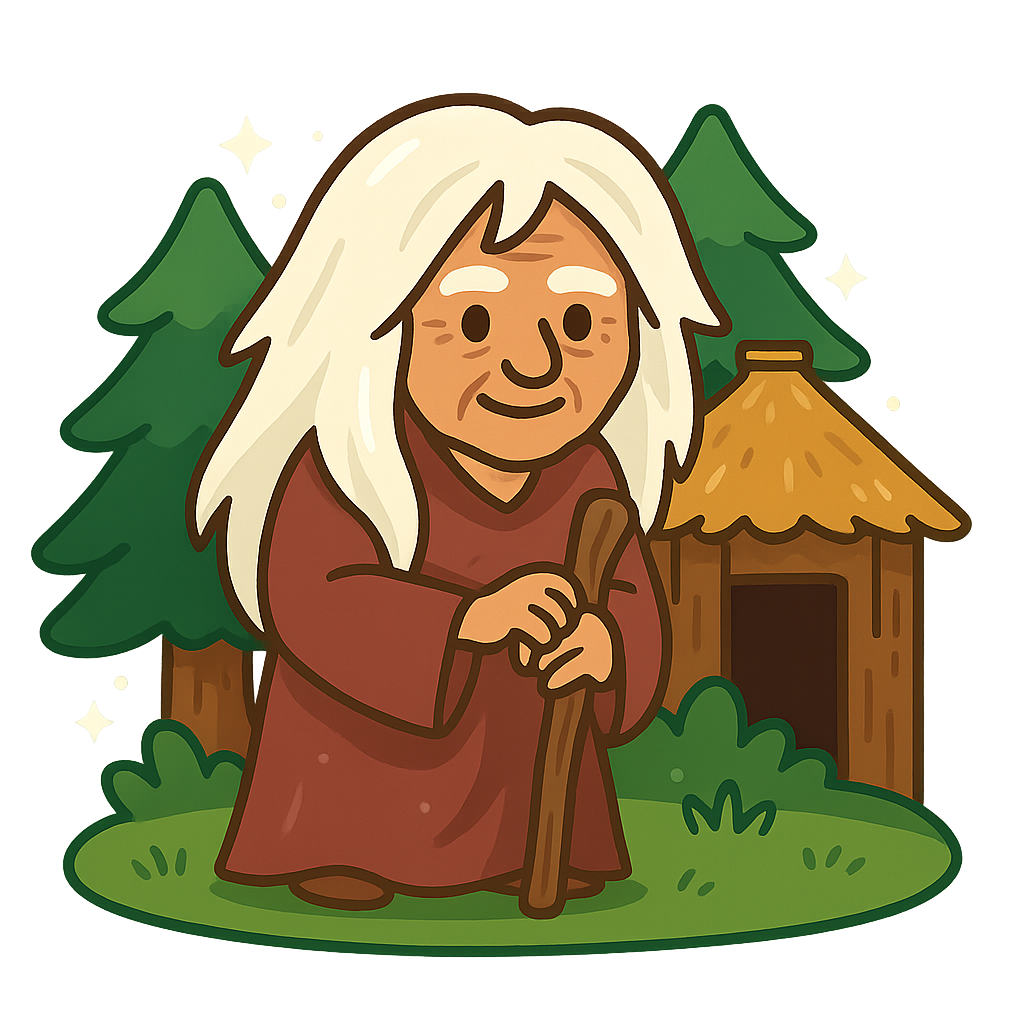
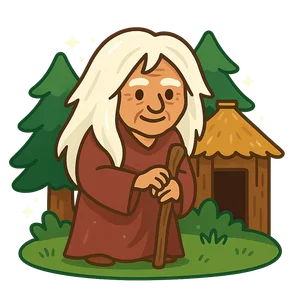
The wind whispers secrets through the tall cedar trees, and the streams gurgle stories as they tumble over mossy stones. This is my home, deep in the mountains of Japan, a place of mist and magic. My name is Yama-uba, and I am the wild spirit of this place. Some travelers who get lost in my woods say I am a fearsome monster with a mouth that stretches from ear to ear, while others whisper that I have a kind heart hidden beneath my tangled white hair. They are both right, because I am as wild and changing as a storm. But my favorite story is the one that shows my softer side, the tale of the golden boy I raised as my own. It is the myth of Yama-uba and Kintarō.
One day, deep in the forest on Ashigara Mountain, I found a baby all alone. His skin seemed to glow like the morning sun and his eyes were as bright as stars. He was incredibly strong, even as a tiny baby. I named him Kintarō, which means 'Golden Boy,' and I decided to be his mother. I dressed him in a special red apron that had the word 'gold' written on it and taught him everything I knew about the mountains. Kintarō learned to speak with the bears, monkeys, and deer, and they became his best friends. He was so strong that he could wrestle a giant bear just for fun and win. He could even pull a whole tree out of the ground with his bare hands. I would watch him play, and my heart would feel as full as the moon. One afternoon, a famous samurai warrior named Minamoto no Yorimitsu was traveling through the forest. He saw Kintarō win a wrestling match against a bear and knew right away that the boy was meant for great things. The samurai looked at my son and said, “Young man, you have the strength of a hundred men. Come with me to the city and become one of my finest warriors.”
Yama-uba and Kintarō
The wind whispers secrets through the tall cedar trees, and the streams gurgle stories as they tumble over mossy stones. This is my home, deep in the mountains of Japan, a place of mist and magic. My name is Yama-uba, and I am the wild spirit of this place. Some travelers who get lost in my woods say I am a fearsome monster with a mouth that stretches from ear to ear, while others whisper that I have a kind heart hidden beneath my tangled white hair. They are both right, because I am as wild and changing as a storm. But my favorite story is the one that shows my softer side, the tale of the golden boy I raised as my own. It is the myth of Yama-uba and Kintarō.
One day, deep in the forest on Ashigara Mountain, I found a baby all alone. His skin seemed to glow like the morning sun and his eyes were as bright as stars. He was incredibly strong, even as a tiny baby. I named him Kintarō, which means 'Golden Boy,' and I decided to be his mother. I dressed him in a special red apron that had the word 'gold' written on it and taught him everything I knew about the mountains. Kintarō learned to speak with the bears, monkeys, and deer, and they became his best friends. He was so strong that he could wrestle a giant bear just for fun and win. He could even pull a whole tree out of the ground with his bare hands. I would watch him play, and my heart would feel as full as the moon. One afternoon, a famous samurai warrior named Minamoto no Yorimitsu was traveling through the forest. He saw Kintarō win a wrestling match against a bear and knew right away that the boy was meant for great things. The samurai looked at my son and said, “Young man, you have the strength of a hundred men. Come with me to the city and become one of my finest warriors.”
My heart felt a little bit sad to hear those words. I did not want my golden boy to leave our mountain home. But I am the spirit of nature, and I know that all things must grow and change, just like the seasons. I knew his strength was needed in the world beyond our forest. Kintarō promised he would never forget me or his animal friends. He journeyed with the samurai and grew up to become a famous and beloved hero in Japan, known for being courageous and kind. My story shows that I am not just a monster to be feared. I can be fierce, like a blizzard, but also nurturing, like the warm spring that melts the snow. This myth teaches that love and strength can be found in the most surprising places. To this day, on Children's Day in Japan, families fly kites shaped like big fish called carp. They do this to wish for their children to grow up as strong and brave as my Kintarō. My story reminds everyone to look past what you see on the outside and find the heart within.
Wow facts
About
Yama-uba is a complex and monstrous figure from Japanese folklore, a yōkai or mountain spirit who can appear as both a terrifying ogress who preys on travelers and a nurturing, benevolent figure.
Take a Quiz
Question 1 of 4
Why did Yama-uba feel both sad and proud when Kintarō left the mountain?
Explore next




Want to do even more?
Go beyond exploring. Unlock tools that turn every story into real learning.

Storypie Plus for families
Full stories, quizzes, and printables. Nights and car rides, sorted.
- Unlimited audio stories
- Create Mode: your child stars in the story
- Offline downloads
- Printable worksheets & coloring pages

Why Storypie for Schools
Students engaged. Prep in seconds. Evenings back to you.
- Worksheets & Quizzes
- Classroom Management
- Formative Assessment
- Custom Curriculum & Lesson Plans
- 27 Languages

Why Storypie for Homeschool
Curriculum done. They'll ask for more. Hours back in your day.
- Worksheet Generator
- First-Person Audio Stories
- Built-in Comprehension Quizzes
- Custom Curriculum & Lesson Plans
- Print & Go Activities