

 English

The Mountain That People Saved
A soft, blue haze rises from my shoulders each morning, draping my valleys in a gentle veil that looks like smoke. But it isn't smoke at all. It is my breath, a misty vapor released by the millions of trees that blanket my slopes. I am ancient, my rounded peaks worn smooth by time, older than almost any other mountains on the continent. Within my forests, black bears shuffle through thickets of rhododendron, and in my cool, clear streams, more kinds of salamanders live than anywhere else on Earth. For millennia, I have held the stories of the wind, the rivers, and the people who have called me home. My ridges and hollows are pages in a history book that is still being written. I am the Great Smoky Mountains National Park, a living library of stories written in stone, water, and leaf.
My earliest stories are those of the Cherokee people. For more than ten thousand years, they were my caretakers and my children. They knew the rhythm of my seasons, the secrets of my plants, and the paths of my animals. Their villages thrived in my fertile river valleys, where they grew corn, beans, and squash. They saw the creator’s spirit in my highest peaks and heard whispers of ancient legends in the rustling of my leaves. I was their home, their pharmacy, their church, and the heart of their world. But a deep sadness fell upon my slopes in the 1830s. A great injustice forced most of the Cherokee from their ancestral lands, sending them on a sorrowful journey known as the Trail of Tears. Yet, their spirit never truly left. A determined group, now known as the Eastern Band of Cherokee Indians, held on to a piece of their homeland right beside me, and their vibrant culture continues to flourish here today, a resilient echo of my oldest human story.
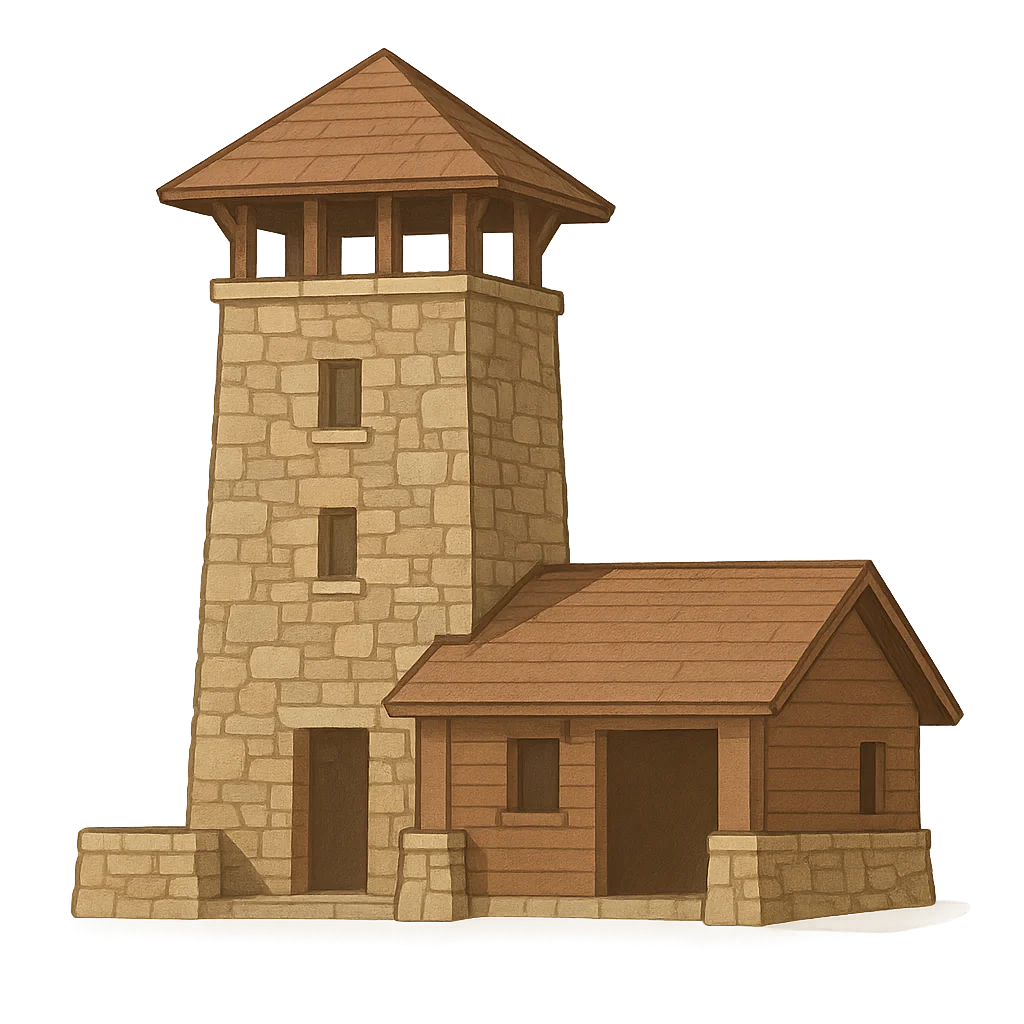
After the Cherokee were forced to leave, a new chapter began as European settlers arrived, drawn by the promise of land and a new life. They built log cabins in my secluded coves, cleared small patches of land for farming, and lived lives of rugged self-sufficiency. For a time, we coexisted peacefully. But as the 19th century turned into the 20th, a new and powerful force arrived. Giant logging companies bought up vast tracts of my land. The quiet hum of my forests was replaced by the deafening roar of saws and the crash of falling timber. Entire mountainsides, once covered in ancient, towering trees, were stripped bare. My streams ran muddy, and the animals lost their homes. This wasn't just cutting down a few trees; it was an industrial-scale destruction that threatened to erase me completely. People who loved me looked upon the devastation and realized that if something wasn't done, the beauty and life I had nurtured for eons would be lost forever.
That's when an amazing thing happened. A movement began, not by the government, but by ordinary people. Unlike other great national parks that were created from public lands, I had to be bought, piece by piece, from over six thousand different landowners, including the big timber companies. It was a monumental task. People like author Horace Kephart wrote about my wild beauty, and photographer George Masa captured stunning images that showed the world what was at stake. A passionate campaign to save me swept through Tennessee and North Carolina. People from all walks of life gave what they could. Schoolchildren collected pennies, nickels, and dimes. Their combined efforts raised millions of dollars, but it still wasn't enough. Then, in 1928, a philanthropist named John D. Rockefeller Jr. heard of their struggle and donated five million dollars, a huge sum at the time, to match the money the people had raised. This incredible generosity was the final piece of the puzzle. But this victory came with a cost. Over a thousand families had to sell their homesteads and move, a painful sacrifice for the creation of a park. On June 15th, 1934, I was officially established. Soon after, young men from the Civilian Conservation Corps arrived, building the trails, bridges, and campgrounds that visitors still use today. Finally, on September 2nd, 1940, President Franklin D. Roosevelt stood at Newfound Gap and dedicated me to the American people, a park born from the will and generosity of the public.
Today, I stand as a testament to what people can accomplish when they unite to protect something precious. I am the most visited national park in the United States, welcoming millions of people each year who come to hike my trails, see my waterfalls, and breathe my misty air. I am a sanctuary for an incredible diversity of life, a place where scientists can study a world that is largely untouched. In early summer, a magical light show fills my forests as thousands of synchronous fireflies flash in perfect unison, a dazzling spectacle of nature’s wonder. My story is one of resilience—of a forest that grew back, of a culture that endured, and of a community that fought for a shared vision. I invite you to come walk my paths, listen to the whisper of my streams, and add your own story to my history. In doing so, you become a part of the promise to keep me wild and beautiful for all the generations to come.
Activities
Take a Quiz
Test what you learned with a fun quiz!
Get creative with colors!
Print a coloring book page of this topic.











 Free for Educators