

 English

The Land Between the Rivers
Imagine a warm, sunny place where the soil is soft and dark, perfect for wiggling your toes in. Two bright, sparkling rivers flow on either side of me, like long, blue ribbons. They splash and gurgle all day long, bringing cool water to the thirsty ground and helping yummy food grow tall. Because of them, my fields are green with barley and wheat, and my date palm trees are full of sweet fruit. It is a very special place, a cradle of green in a sandy land. Hello there. I am Mesopotamia, and my name means the land between the rivers. It’s a perfect name for me, don’t you think.
For thousands of years, very clever people lived here with me. The first ones were called the Sumerians. They were amazing builders and thinkers. They looked at my flat, open land and said, “Let’s build our homes close together.” And so, they built the world’s very first cities. They were also the world's first big inventors. One day, someone shaped a round piece of clay and spun it to make a pot. That spinning circle gave them a big idea. “What if we turn it on its side.” they wondered. And just like that, they invented the wheel. First, they used it to make pottery faster, and then they put wheels on carts to carry things. They also invented a new way to share ideas. A very, very long time ago, around the 34th century BCE, they started pressing little wedge-shaped marks into wet clay tablets. This special writing was called cuneiform. It helped them remember how many goats they had or share wonderful stories with each other.
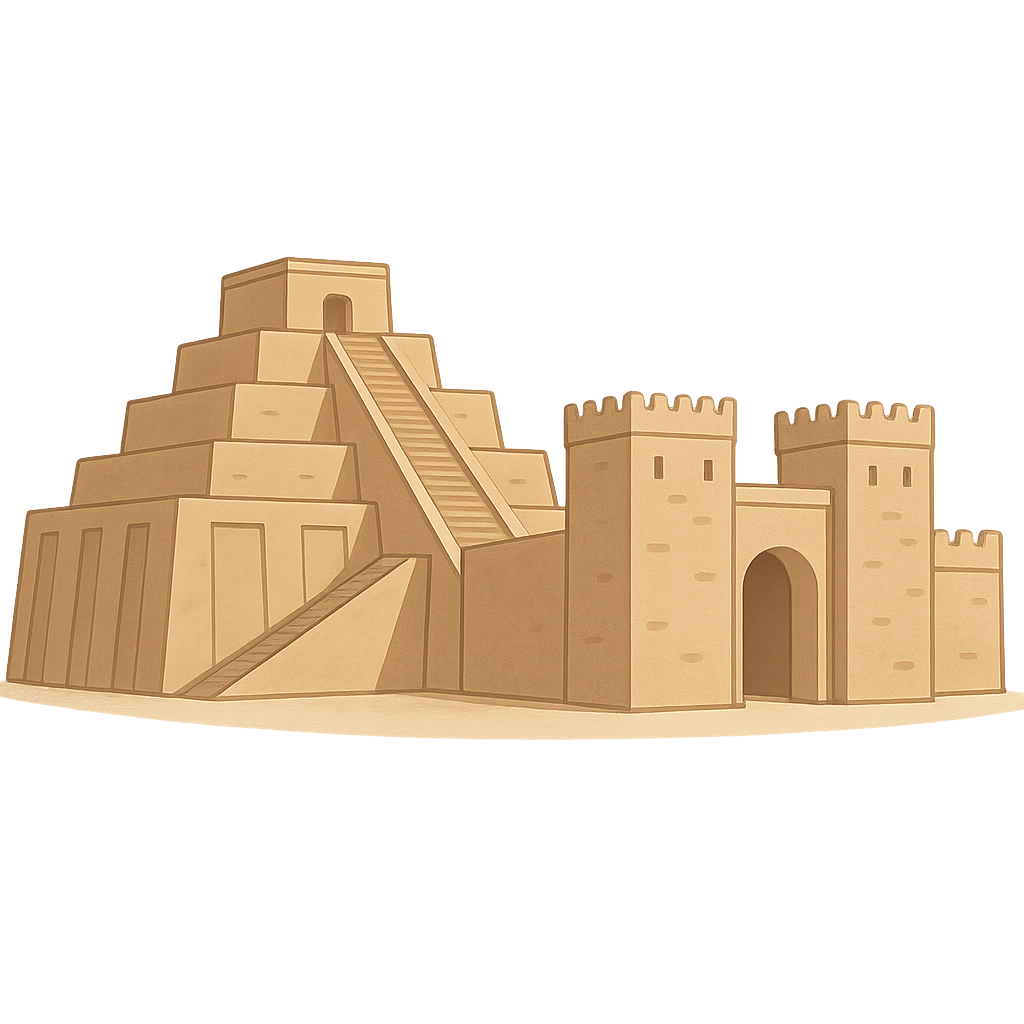
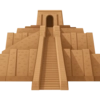
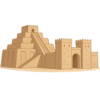
My cities grew bigger and busier. Tall temples called ziggurats, which looked like giant staircases, reached high into the sky so people could feel closer to the stars. Later, another group of smart people called the Babylonians lived here. They had a very wise king named Hammurabi. Around the 18th century BCE, he wanted to make sure everyone was treated with kindness and respect. So, he wrote down a set of fair rules for everyone in the kingdom to follow. The Babylonians also loved to gaze at the night sky. They watched the moon wax and wane and the stars twinkle in their patterns. By watching them, they created the very first calendars to keep track of the seasons, and they even decided to divide one hour into 60 minutes, and one minute into 60 seconds. Every time you look at a clock, you’re seeing their amazing idea.
Today, my grand cities are quiet ruins, and my ziggurats have crumbled into dusty hills. But my story is not over. My ideas are still alive, and they are all around you. When you write your name in a book, you are using an idea that started right here with those little marks in the clay. When you learn about rules at school that keep everyone safe and happy, you are hearing the echo of King Hammurabi’s laws. The way you tell time comes from my people who watched the stars. A small idea, like a tiny seed planted by my rivers, can grow into something big and strong that changes the whole world. And that is a story that lives on in you.
Activities
Take a Quiz
Test what you learned with a fun quiz!
Get creative with colors!
Print a coloring book page of this topic.






 Free for Educators