English

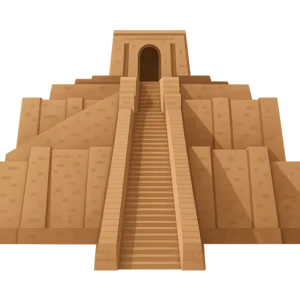
City of Ur
Ur was an important Sumerian city-state in ancient Mesopotamia…
Reads at Grades 3–5 Listens at Grades 1–5
Print & create
Answer keys·No prep·Free with an account
28 worksheets · answer keys · full story · quiz · Ages 8-10 · CEFR B1
Plus adds 280,000+ more stories in 27 languages, audio for every one, and printables for all of them.
Just want City of Ur?
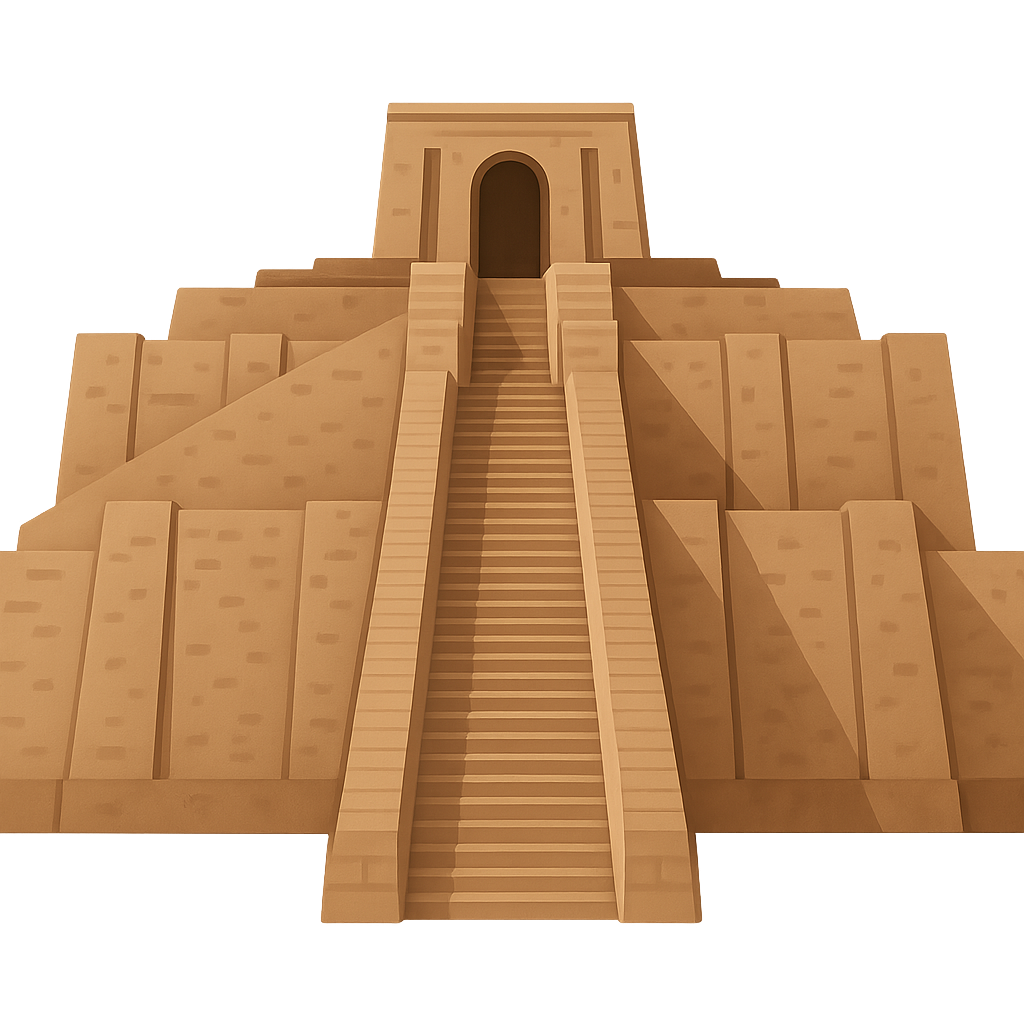
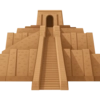
The hot sun has baked my bricks for thousands of years. I can still remember the cool water of a great river, the Euphrates, that once flowed right beside me, bringing life to the dry land. At my heart, a colossal staircase of brick still reaches for the sky, a mountain made by human hands. For centuries, I was just a whisper in the shifting sands, a forgotten hill in the desert of modern-day Iraq. But I was never just a hill. I was a kingdom, a home, a beginning. I am Ur, one of the very first cities in the world.
My story began more than six thousand years ago with the clever Sumerian people in a land they called Mesopotamia. They were brilliant inventors and builders. They didn't have stone or wood, so they took the sticky mud from the riverbanks, shaped it into bricks, and let the sun bake them hard. With these simple bricks, they built my strong walls, my winding streets, and my cozy homes. My people were full of life. Merchants shouted in the marketplace, potters spun their wheels, and children played in the alleyways. At the center of it all stood my greatest treasure: the Great Ziggurat. Around the 21st century BCE, a wise king named Ur-Nammu built this towering temple to honor the moon god, Nanna, who watched over us every night. It was the heart of my world. My people were also the first to write down their thoughts. In my schools, scribes would take a sharp reed and press wedge-shaped marks, called cuneiform, into soft clay tablets. They wrote down laws, poems, and lists of goods. For thousands of years, these stories, along with the beautiful treasures buried in my royal tombs, lay hidden. The tombs held golden helmets, jewelry made of lapis lazuli, and magnificent harps decorated with bull heads. No one knew they were there until a curious archaeologist from England, Sir Leonard Woolley, came searching for me in the 1920s. On February 2nd, 1922, he and his team began to dig, and slowly, carefully, they brought my secrets back into the light.
The City That Taught the World to Write
The hot sun has baked my bricks for thousands of years. I can still remember the cool water of a great river, the Euphrates, that once flowed right beside me, bringing life to the dry land. At my heart, a colossal staircase of brick still reaches for the sky, a mountain made by human hands. For centuries, I was just a whisper in the shifting sands, a forgotten hill in the desert of modern-day Iraq. But I was never just a hill. I was a kingdom, a home, a beginning. I am Ur, one of the very first cities in the world.
My story began more than six thousand years ago with the clever Sumerian people in a land they called Mesopotamia. They were brilliant inventors and builders. They didn't have stone or wood, so they took the sticky mud from the riverbanks, shaped it into bricks, and let the sun bake them hard. With these simple bricks, they built my strong walls, my winding streets, and my cozy homes. My people were full of life. Merchants shouted in the marketplace, potters spun their wheels, and children played in the alleyways. At the center of it all stood my greatest treasure: the Great Ziggurat. Around the 21st century BCE, a wise king named Ur-Nammu built this towering temple to honor the moon god, Nanna, who watched over us every night. It was the heart of my world. My people were also the first to write down their thoughts. In my schools, scribes would take a sharp reed and press wedge-shaped marks, called cuneiform, into soft clay tablets. They wrote down laws, poems, and lists of goods. For thousands of years, these stories, along with the beautiful treasures buried in my royal tombs, lay hidden. The tombs held golden helmets, jewelry made of lapis lazuli, and magnificent harps decorated with bull heads. No one knew they were there until a curious archaeologist from England, Sir Leonard Woolley, came searching for me in the 1920s. On February 2nd, 1922, he and his team began to dig, and slowly, carefully, they brought my secrets back into the light.
After my golden age passed, the great river changed its path, and the desert sands crept in. For more than two thousand years, I was completely buried, sleeping under a blanket of dust. The world forgot my name. But I never truly disappeared. When Sir Leonard Woolley’s team brushed the sand from my walls and stepped onto my ancient streets, it felt like I was taking my first breath in centuries. The sun warmed my bricks once more. Today, my streets are quiet and my houses are empty, but my spirit is alive all over the world. The ideas born here—like writing down stories, creating laws for everyone to follow, and learning how to live together in big communities—traveled far beyond my walls. I am a reminder that even the oldest places have stories to tell, and that the first seeds of an idea can grow to change the entire world.
Wow facts
About
Ur was an important Sumerian city-state in ancient Mesopotamia, located at the site of modern Tell el-Muqayyar in southern Iraq. It was a major center of civilization for thousands of years, renowned for its magnificent ziggurat.
Take a Quiz
Question 1 of 5
The story says scribes used 'wedge-shaped letters, called cuneiform.' What clues in the story tell you why writing on wet clay tablets was so important for the people of Ur?
Explore next

Want to do even more?
Go beyond exploring. Unlock tools that turn every story into real learning.

Storypie Plus for families
Full stories, quizzes, and printables. Nights and car rides, sorted.
- Unlimited audio stories
- Create Mode: your child stars in the story
- Offline downloads
- Printable worksheets & coloring pages

Why Storypie for Schools
Students engaged. Prep in seconds. Evenings back to you.
- Worksheets & Quizzes
- Classroom Management
- Formative Assessment
- Custom Curriculum & Lesson Plans
- 27 Languages

Why Storypie for Homeschool
Curriculum done. They'll ask for more. Hours back in your day.
- Worksheet Generator
- First-Person Audio Stories
- Built-in Comprehension Quizzes
- Custom Curriculum & Lesson Plans
- Print & Go Activities