English

Following Directions
Following directions is the cognitive ability to interpret and carry out a set of instructions to complete a…
Reads at Grades 3–5 Listens at Grades 1–5
Print & create
Answer keys·No prep·Free with an account
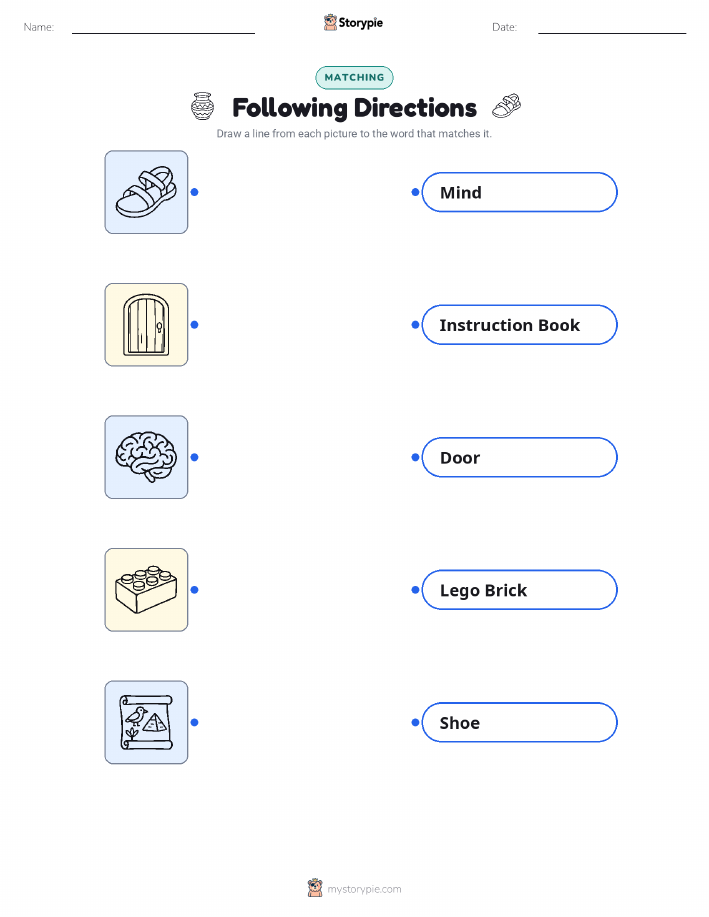
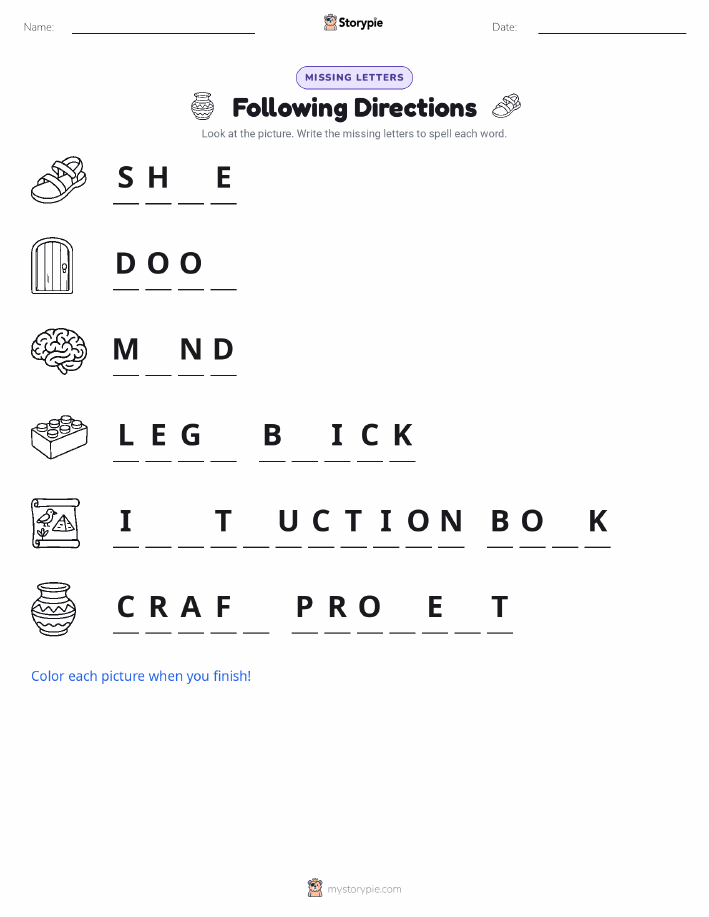
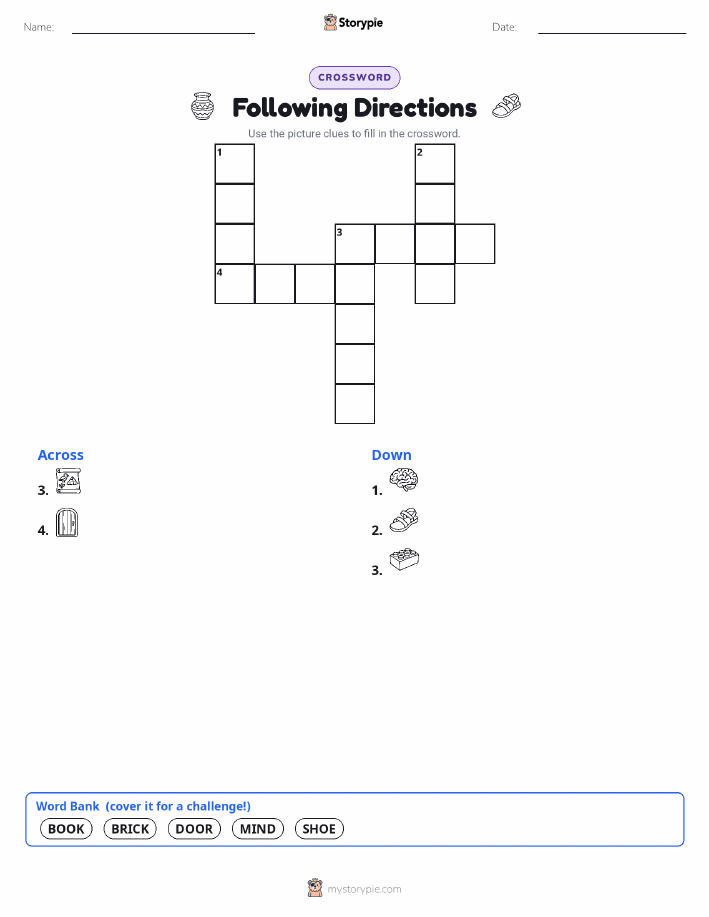
28 worksheets · answer keys · full story · quiz · Ages 8-10 · CEFR B1
Plus adds 280,000+ more stories in 27 languages, audio for every one, and printables for all of them.
Just want Following Directions?
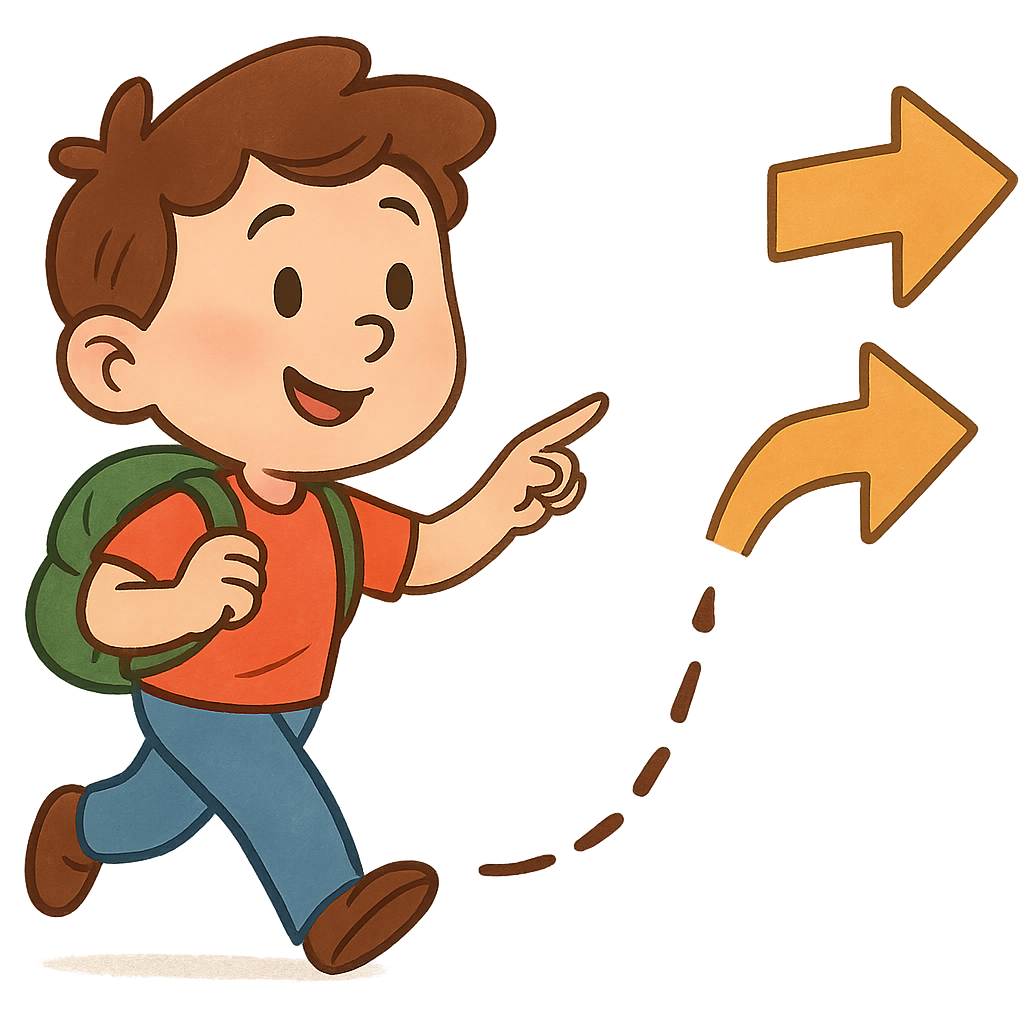
Following directions is a skill I use every day that helps me learn and do things correctly. It’s like having a map for a task, whether it's building a LEGO set or playing a new game. When I follow the steps in the right order, I avoid mistakes and the final result turns out just right, which feels great. This skill is my personal superpower for getting things done the right way.
Before I can follow directions, I have to actually receive them. When my teacher explains a science experiment, I practice stopping what I'm doing, putting my pencil down, and looking right at her. This helps my brain focus completely on her words, so I don't miss an important detail. For example, I need to know exactly how much vinegar to add to my volcano project to make it work properly. This focus is the first important step.
Sometimes instructions can be confusing, and just guessing is a recipe for disaster. If I am not sure what to do, I know it is important to ask for help. When my mom asked me to 'set the table,' I wasn't sure if that included drinks. To make sure I did it right, I asked, 'Should I get the water glasses out too?' Asking a quick question made the job clearer and helped me do it exactly how she wanted without having to fix it later.
After I get instructions, I take a second to picture myself doing them in my mind. When my coach explains a new soccer drill, I imagine myself running through the cones and passing the ball exactly as she described. This mental movie helps my body remember what to do when it's my turn to go. Visualizing the steps makes my movements quicker and more accurate on the field, which helps me become a better player.
Following Directions: My Guide to Getting Things Right
Following directions is a skill I use every day that helps me learn and do things correctly. It’s like having a map for a task, whether it's building a LEGO set or playing a new game. When I follow the steps in the right order, I avoid mistakes and the final result turns out just right, which feels great. This skill is my personal superpower for getting things done the right way.
Before I can follow directions, I have to actually receive them. When my teacher explains a science experiment, I practice stopping what I'm doing, putting my pencil down, and looking right at her. This helps my brain focus completely on her words, so I don't miss an important detail. For example, I need to know exactly how much vinegar to add to my volcano project to make it work properly. This focus is the first important step.
Sometimes instructions can be confusing, and just guessing is a recipe for disaster. If I am not sure what to do, I know it is important to ask for help. When my mom asked me to 'set the table,' I wasn't sure if that included drinks. To make sure I did it right, I asked, 'Should I get the water glasses out too?' Asking a quick question made the job clearer and helped me do it exactly how she wanted without having to fix it later.
After I get instructions, I take a second to picture myself doing them in my mind. When my coach explains a new soccer drill, I imagine myself running through the cones and passing the ball exactly as she described. This mental movie helps my body remember what to do when it's my turn to go. Visualizing the steps makes my movements quicker and more accurate on the field, which helps me become a better player.
Rushing through directions can lead to a big mess, so I have learned to take things one step at a time. When I follow a recipe for baking brownies, I read one step, do it, and then move to the next. I measure the flour first, then I mix in the sugar. If I tried to dump everything in at once, I'd end up with a lumpy mess instead of delicious brownies. Taking it slow ensures I get the result I want.
Following directions isn't just for schoolwork or chores; it's a skill that keeps me safe and helps me be a good teammate in real life. Listening to a crossing guard's instructions helps me cross the street safely. In a group project, following the plan ensures everyone does their part and we succeed together. This skill is important for success and safety in many parts of my life.
Wow facts
About
Following directions is the cognitive ability to interpret and carry out a set of instructions to complete a task. It is a fundamental life skill essential for learning, safety, and achieving goals.
Take a Quiz
Question 1 of 5
What is the first step I take before following directions?
Explore next





Want to do even more?
Go beyond exploring. Unlock tools that turn every story into real learning.

Storypie Plus for families
Full stories, quizzes, and printables. Nights and car rides, sorted.
- Unlimited audio stories
- Create Mode: your child stars in the story
- Offline downloads
- Printable worksheets & coloring pages

Why Storypie for Schools
Students engaged. Prep in seconds. Evenings back to you.
- Worksheets & Quizzes
- Classroom Management
- Formative Assessment
- Custom Curriculum & Lesson Plans
- 27 Languages

Why Storypie for Homeschool
Curriculum done. They'll ask for more. Hours back in your day.
- Worksheet Generator
- First-Person Audio Stories
- Built-in Comprehension Quizzes
- Custom Curriculum & Lesson Plans
- Print & Go Activities