
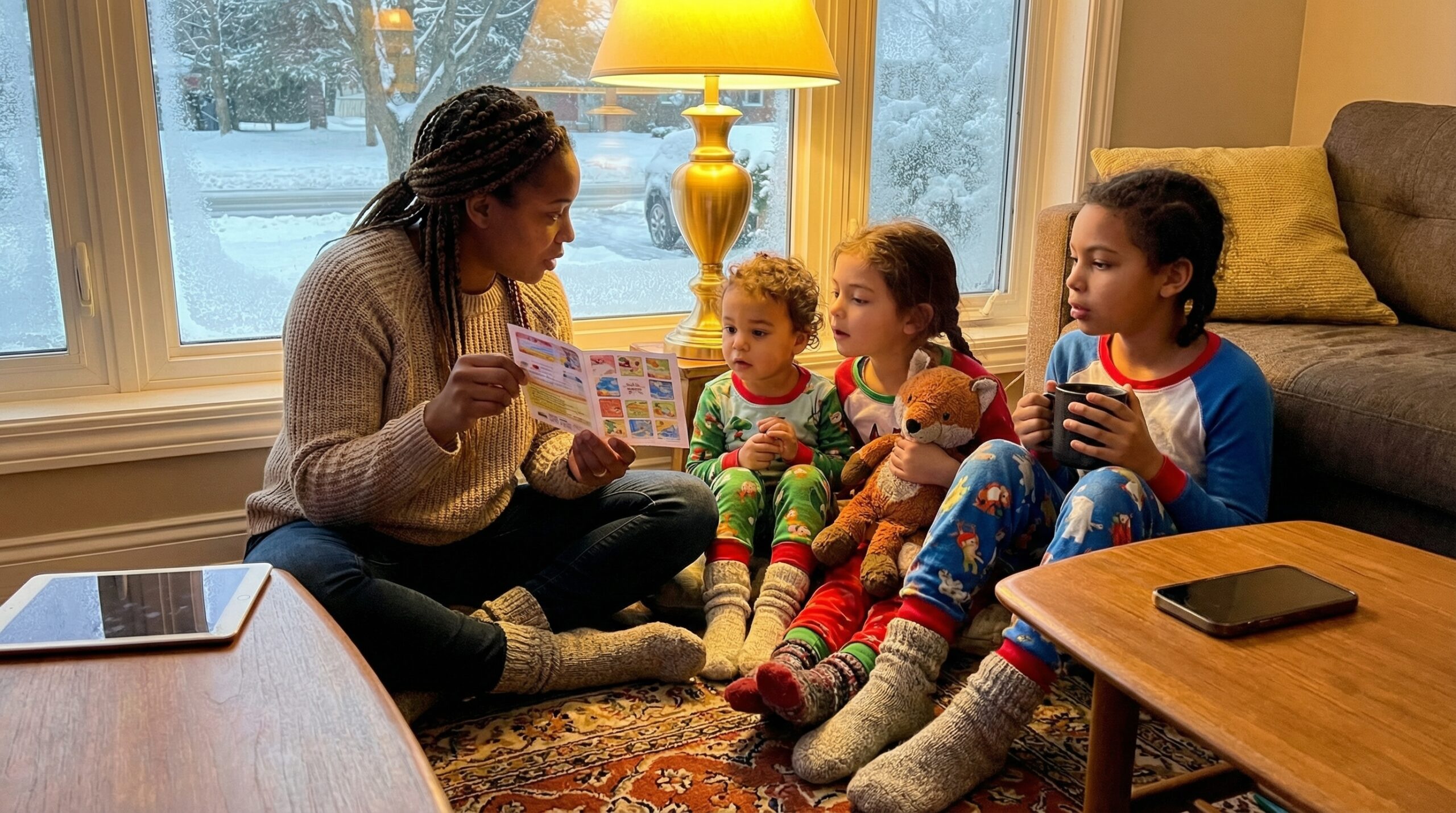
Education through storytelling ages 3-12 is at the heart of Storypie. Our app and library grew from a simple idea: short, age-aware tales help kids learn and remember. Here we share what Storypie is and why narrative matters for young learners.
What Storypie is and where it began
Storypie launched as a small family project. We focused on compact audio stories for busy caregivers. Over time, the collection grew. Now Storypie offers hundreds of pieces for ages 3 to 12 in multiple languages.
Also, Storypie curates content by age bands and theme. Each story lists length, reading level, and language. This clarity helps families pick appropriate tales quickly.
Core characteristics that support learning
Storypie emphasizes short, repeatable audio and read-aloud stories. The format aligns with attention spans and daily routines. In particular, education through storytelling ages 3-12 is built into how we tag and present stories. A 2023 study found that children who learned through storytelling retained 70% of the information compared to just 10% when taught through traditional methods, highlighting the effectiveness of storytelling as a learning tool.
We focus on these features:
- Short lengths that fit routines and car rides
- Clear age guidance for preschool to upper elementary
- Multiple languages and culturally varied voices
- Searchable themes like science, friendship, and history
Designed for memory and language
Storypie organizes facts inside narrative frames. This structure supports recall. For parents and teachers, the result is simple and practical. Storypie’s library helps facts sit inside feeling and cause, which boosts memory. A longitudinal study published in May 2024 found that storytelling connectedness in children ages 5–8 predicted phonological awareness and reading comprehension measured 3–4 months later, emphasizing the long-term benefits of storytelling on literacy skills.
Formats and accessibility
Storypie offers audio-first stories, written text, and bilingual options. Also, stories come with clear duration labels and content notes. These details help caregivers choose fast.
We also focus on accessibility. The app supports readable fonts and clear audio levels. In addition, our multilingual selections serve diverse households.
How Storypie maps to child development
Education through storytelling ages 3-12 scales with development. Storypie groups stories by stage. Preschool pieces use simple plots and new words. Older elementary tales include more complex motives and layered ideas.
Consequently, a child can grow with the library. New vocabulary, longer attention, and richer themes appear as kids move through the collection. Research shows that storytelling contributes 68.2% to the improvement of early childhood empathy skills, especially at the age of 5–6 years, illustrating the role of storytelling in developing emotional intelligence.
Limits, equity, and Storypie’s approach
Stories help, but they are not a cure-all. Access, repetition, and social interaction still matter. Storypie works to lower access barriers by offering multilingual content and short-form options.
Also, we seek diverse voices in the library. That choice supports cultural relevance and equity across households.
Where to explore Storypie
To see the collection, visit Storypie’s main site. Browse themes, ages, and languages on our stories pages. For families, the app makes it easy to slot a short tale into a routine.
Explore Storypie or go to our stories collection to filter by age and duration.
In short, Storypie turns education through storytelling ages 3-12 into a practical, daily habit. Little moments add up to real gains in memory and language. Keep it short, warm, and a little magical. Additionally, a 2023 meta-analysis of Readers’ Theatre reported a large combined effect on reading skills, indicating significant benefits of narrative-based learning for primary school students.