
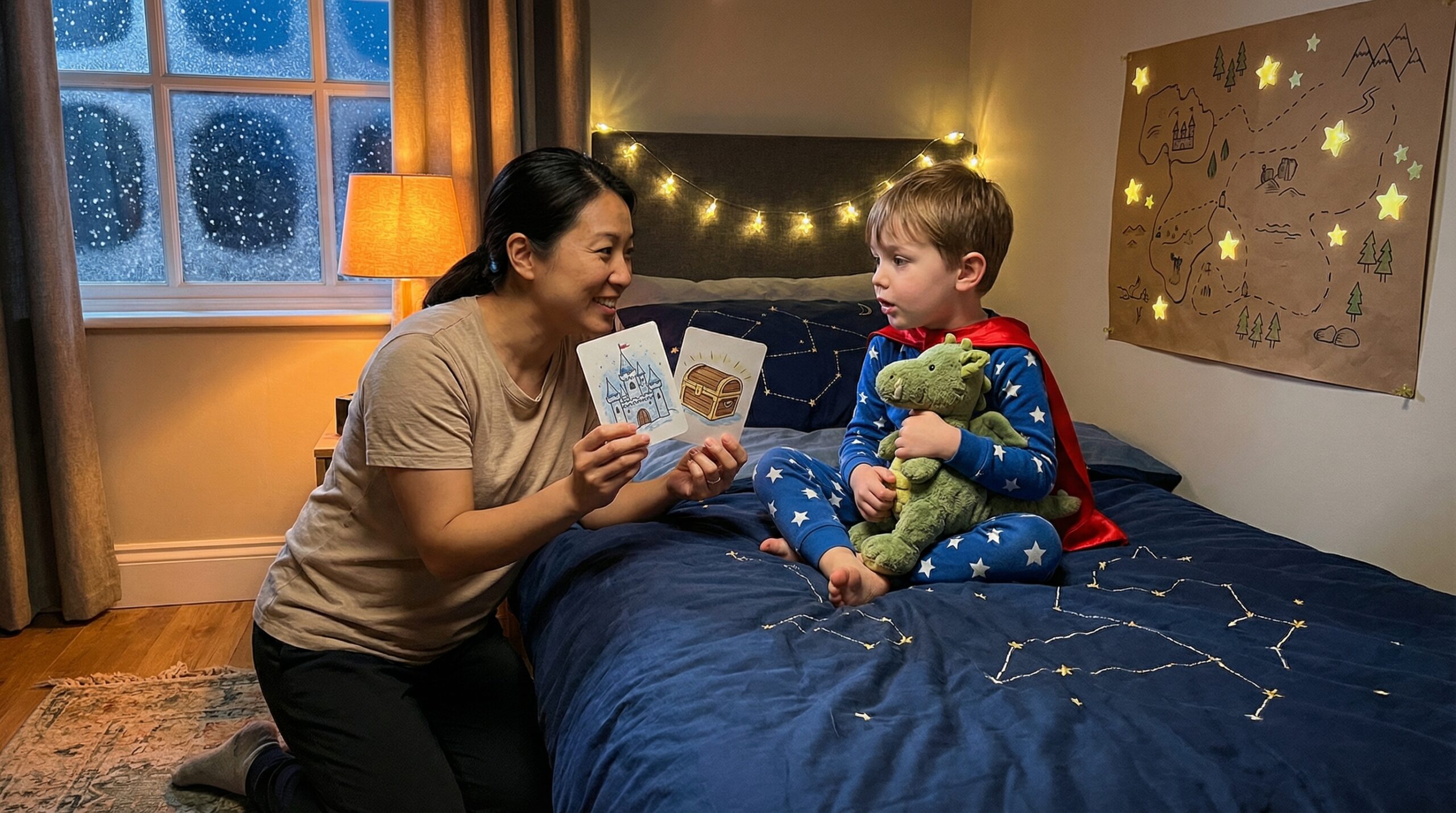
Kids become the hero in their own adventure when they lead play and make choices. This sense of agency builds quiet confidence. Also, it helps children learn to try again and solve problems. In fact, in 2024/25, 68.3% of children in England achieved a good level of development, marking a significant increase since the 2021/22 reforms, which underscores the positive impact of educational reforms on children’s development and their ability to take charge in their own adventures.
Why kids become the hero in their own adventure matters
When children take the lead in play, they act at the center of their story. They decide goals and face small challenges. Therefore, they practice planning, language, and emotion skills. In short, child-led play trains real life skills in a joyful way. Notably, social-emotional learning (SEL) programs have been shown to significantly enhance these skills; a 2025 review found a 4.2 percentile-point increase in academic achievement for students involved in SEL programs, emphasizing their importance in boosting children’s confidence and skills.
What the science says
Research finds links between pretend play and many skills. For example, complex role play asks children to remember, switch attention, and control impulses. Also, role taking builds empathy and emotional regulation. Overall, studies show that child-led imaginative time matters, though it is not a single magic switch. In 2023, Generation Unlimited reached 64 million young people across 50 countries, illustrating how youth engagement can empower children and adolescents, reinforcing their role as heroes in their own stories.
How it looks by age
Toddler
A parent gives a cape and a child toddles off to rescue. Short scenes, bright joy, and mimicry are common.
Preschool
Children invent dragons and negotiate who leads. Lots of talk, pretend, and friendly bargaining happen.
School age
Group quests gain rules, roles, and moral choices. Children solve problems with creativity and cooperation.
Early teen
Hero roles shift into clubs, projects, and media. Teens rehearse identity and values in real life.
Core signs your child is the protagonist
You can watch agency in action. Look for these tidy signals:
- They begin play without prompts.
- Stories show clear goals and setbacks.
- They invite others and lead rules.
- They try again after a setback.
- Language grows richer and plots last longer.
A short caregiver ritual: try this tonight
Try one tiny habit that makes bedtime feel like a quest. First, offer a small prop. A soft lamp, a tiny cape, or a note can work. Then ask an open question like, “What if you could change the ending?” Finally, step back and celebrate choices. Resist fixing the problem. Small, repeatable prompts add up to lasting confidence.
Cautions and context
Not every child shows hero play the same way. Culture shapes what heroism looks like. Also, some children prefer cooperative roles. Therefore, avoid pushing a single scripted hero image. Watch out for pressure, stereotypes, or unsafe risk taking. Representation matters. Show diverse heroes so every child sees possibility. For instance, in 2023, the Head Start program served 799,901 children ages birth to 5, highlighting the importance of inclusive early childhood education in helping all children develop agency and leadership skills.
Simple ways to keep it going
In daily life you can make small shifts. For example:
- Frame a chore as a mission.
- Turn a bedtime story into a mini quest.
- Offer tiny tactile props to spark ideas.
Also, try one “What if” question before lights out. It is a gentle way to help kids become the hero in their own adventure. To find gentle prompts, visit Storypie and explore ideas for tonight.
For more prompts and bedtime quests, try Storypie: Explore Storypie prompts.
In short, small child-led play sessions matter more than perfect practice. Try regular, short sessions and celebrate each small brave choice. Little heroic habits can grow quiet confidence for years. Additionally, UNICEF’s Annual Report 2023 indicates that 21.9 million adolescents engaged in civic initiatives, showcasing how children can take initiative and become leaders in their communities.