Discovering the Magic of Primary Sources
Imagine holding a letter from a queen or flipping through a diary written hundreds of years ago. That exciting feeling of touching history firsthand comes from a primary source. A primary source is an original document or object created at the time it describes. It is the real deal — the authentic spark of discovery.
What Are Primary Sources?
Primary sources come in many fun shapes and sizes. These include diaries, photographs, letters, official records, ancient tools, clothing, or even original scientific notes. Each one tells a story straight from the person who made it, without filters or secondhand explanations.
Why Primary Sources Matter for Learning
Primary sources invite kids and curious learners inside history and original events. Instead of just reading about the past, they get to experience it. It’s like traveling back in time without leaving your chair. When children connect directly with voices and objects from history, their curiosity sparks and grows.
Primary Source vs. Secondary Source
Here’s a key difference: primary sources are original footprints on the path of knowledge. Secondary sources analyze or interpret those originals after the fact. Secondary sources tell the story again, while primary sources are the story itself.
Building Skills Through Primary Sources
Working with primary sources helps kids develop research and critical thinking skills. It encourages questions like: Who created this? What was happening then? What might be missing? Kids become detectives, piecing together clues to form their own ideas instead of just accepting textbook facts.
Primary Sources in Science
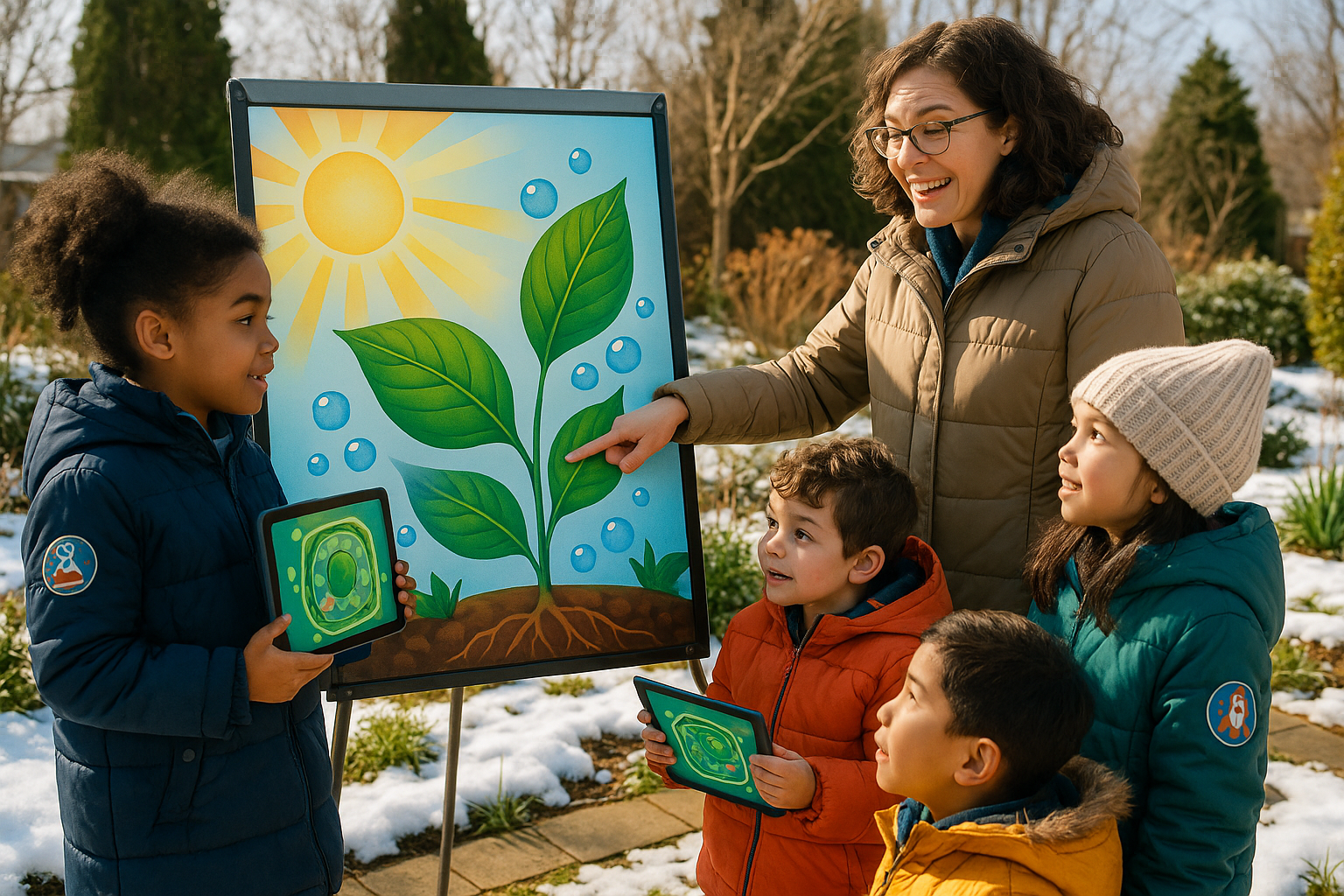
In science, the magic of primary sources shows up in original research papers and experiment details. Imagine a child reading a scientist’s fresh discovery notes. It makes science fascinating, real, and alive beyond just facts and figures.
Easy Access to Primary Sources Online
Thanks to digital libraries, primary sources are more accessible than ever. Museums may be far away, yet with a click, kids can explore real historical newspapers, speeches, photos, and artifacts from their own cozy reading nooks.
At Storypie, we understand that the best learning happens when children connect closely with the source of stories. Using primary sources nurtures curiosity and deeper understanding — learning that sticks like honey on a spoon.
Read or listen to a story about Primary source now: For 3-5 year olds, For 6-8 year olds, For 8-10 year olds, and For 10-12 year olds.
Step into history, hold the past in your hands, and watch the wonder begin!
For more about how children discover history and stories at Storypie, visit Primary source.