
Introduction: a tiny messenger in your hand
Remote control device is a simple idea with big magic. I ask kids how Grandpa changed channels before remotes, and they grin. Then I tell the short story of a small invention that made living rooms sparkle.
Where the idea began
First, Nikola Tesla showed a radio controlled boat in 1898. That spark started years of clever experiments. By the 1950s families saw wired remotes and early wireless tricks. For example, the FlashMatic used light and the Space Command used sound. Later, infrared became the home favorite. Today remote control device types include RF, Bluetooth, Wi Fi, Zigbee, and apps. In 2024, the global remote control market was valued at approximately USD 26.4 billion, with unit shipments exceeding 3.1 billion devices worldwide, showcasing the immense impact of this tiny invention.
How a remote control device works
Think of signals as invisible messengers. For example, infrared uses beams that need a clear view. In contrast, radio messengers slip through walls. Also, ultrasonic remotes once used sound clicks. Modern smart remotes send digital packets over a network. A neat camera trick reveals infrared. Point a phone camera at an IR remote and press a button. A tiny purple flash appears. Kids love that secret little wink.
What’s inside a remote
Most remotes share common parts. They include a plastic shell, rubber buttons, tiny switches, an IR LED or RF transmitter, a microcontroller, and batteries. Typical buttons are power, volume, channel, play, pause, and input. Family features now include macros that do many actions at once. Also, voice control listens instead of peeking. In fact, in 2024, over 520 million smart remotes were sold globally, with 36% featuring voice-control capabilities, reflecting a significant trend towards smart technology in remotes.
Everyday traits and range
Everyday traits matter for parents and teachers. IR remotes need line of sight and work about 5 to 10 meters. Meanwhile RF and Bluetooth reach farther and go through walls. Batteries control life and weight. Button cells are small and dangerous. So keep them locked away and recycle used cells. By the end of 2023, wireless remote controls accounted for about 55% of total industrial remote control deployments, illustrating the shift towards wireless technology in this area.
Safety and accessibility
Safety is simple and important. Keep button batteries out of reach. Clean remotes often. Remove batteries before heavy cleaning. Recycle old batteries and donate working remotes if you can.
For accessibility, look for tactile dots, large high contrast buttons, backlight, and voice features. These small changes make tech friendlier for more kids and family members.
Troubleshooting and quick fixes
Start with the easy steps first. Replace batteries. Aim straight at the device for IR remotes. Re pair wireless remotes when needed. Clean contacts with a dry cloth. If nothing helps, check the manual.
Simple troubleshooting checklist
- Replace batteries first
- Aim straight for IR remotes
- Re pair RF or Bluetooth remotes
- Wipe buttons and contacts gently
Fun, tiny experiments to try
Quick activities spark curiosity. Do the camera IR test. Count buttons and draw the remote face. Play guess the button for kids with low vision. Hunt for remotes around the house and name their messenger type. Make a remote map on paper and time battery life. These tiny experiments teach cause and effect fast.
One real flop and a better idea
I once made a pretend remote from cardboard and tape. It failed to work, and the kids laughed. However that flop led to a better experiment about signals and safety. I failed fast and the kids learned faster. It felt delightfully human and surprisingly joyful.
Our Storypie moment
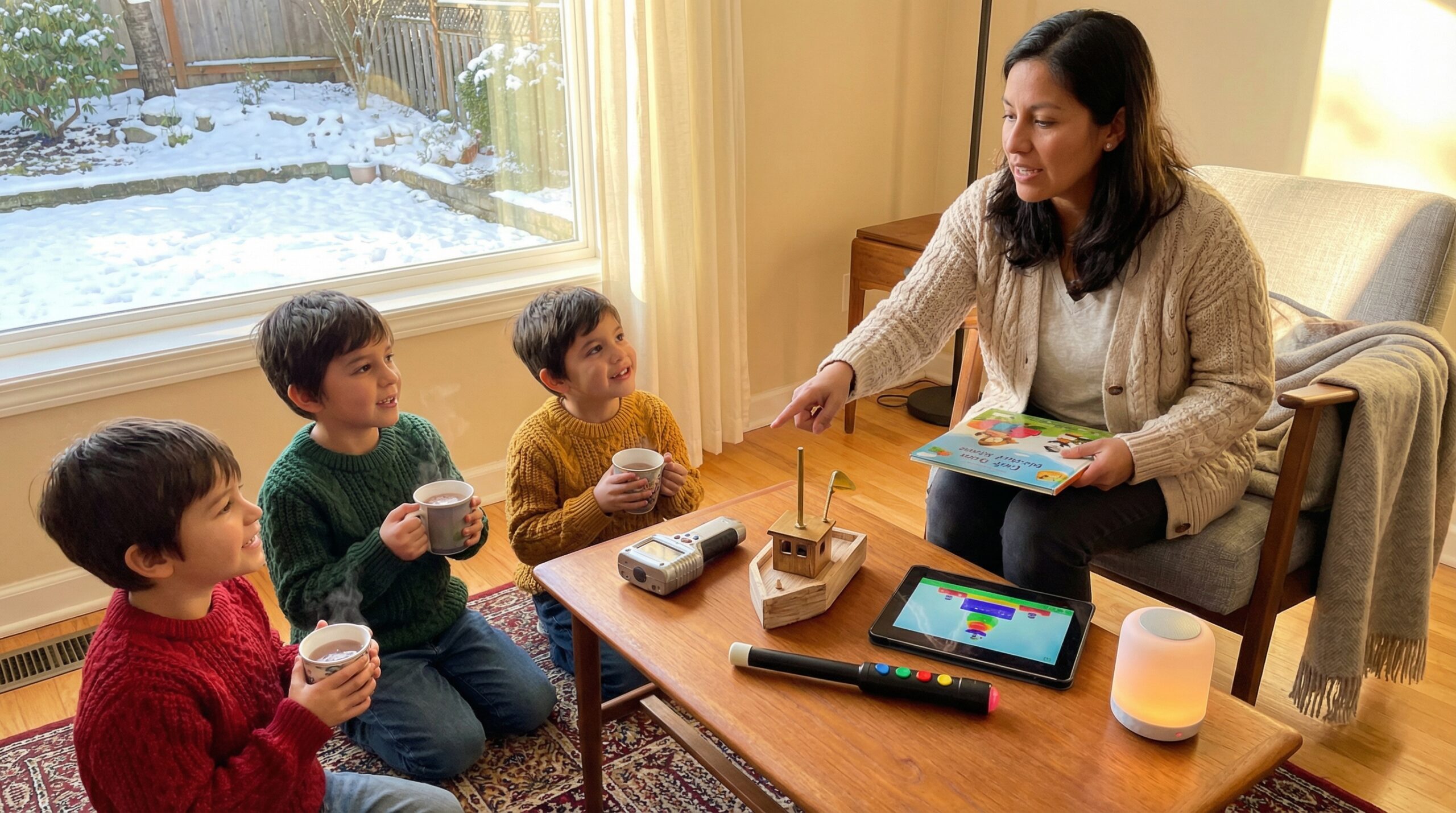
At Storypie we turned this little journey into a cozy winter listen. We made a short Storypie about the remote’s trip from Tesla to today. Tip: play it at 2pm and pause to ask, “How do you think that worked?”
Read or listen to a story about Remote Control now: For 3-5 year olds, For 6-8 year olds, For 8-10 year olds, and For 10-12 year olds.
Finally, enjoy the small surprise that fits in your palm. These tiny messengers changed how families live and play.