
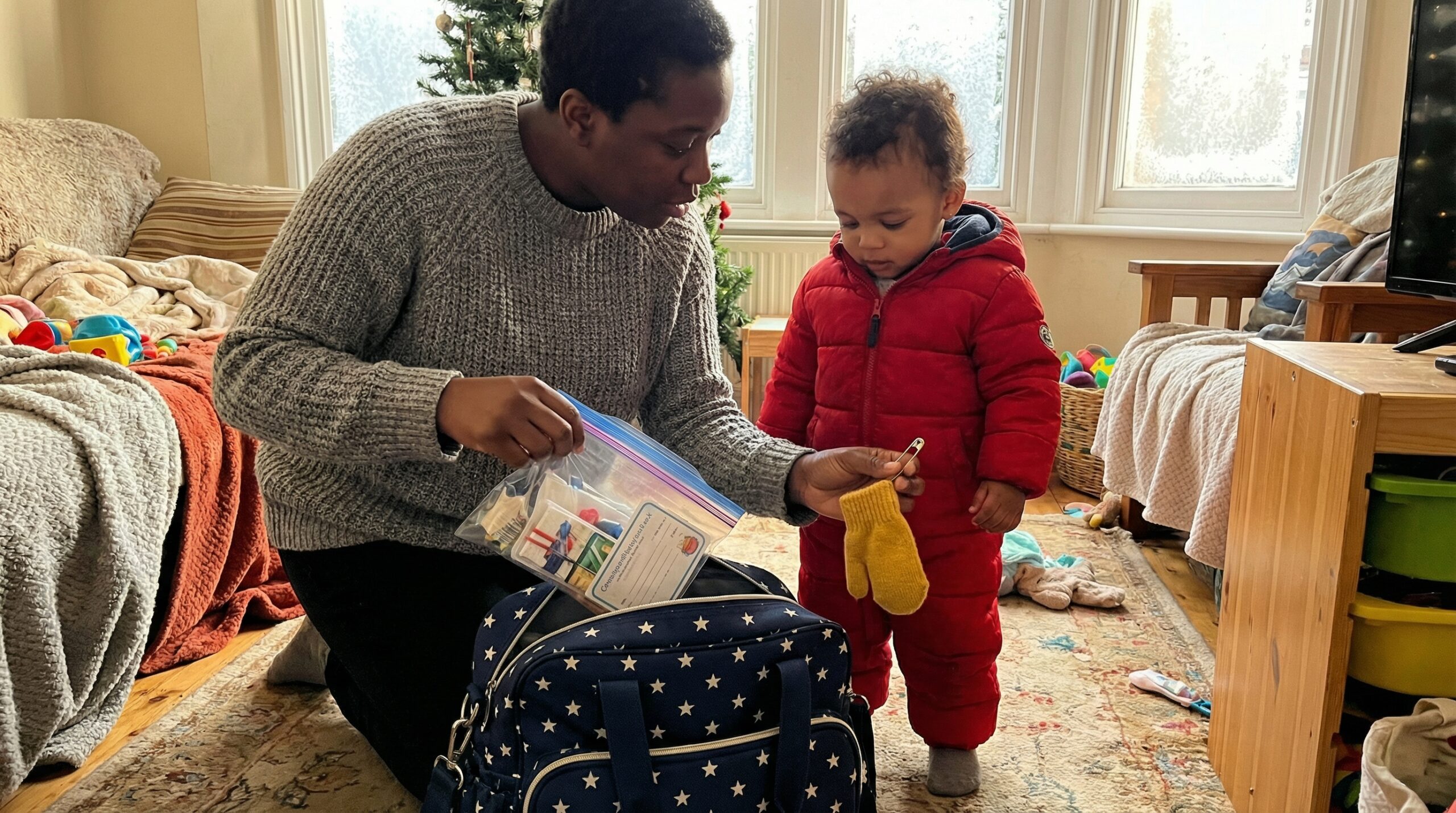
Safety pin for parents: a tiny hero
Safety pin for parents is a simple tool that can save a morning. It is a spring wire pin with a clasp that covers the point when closed. One wire, a coil, a point and a catch. Simple, reliable, and brilliant.
Quick history and why it matters
Walter Hunt patented the modern safety pin on April 10, 1849, receiving U.S. Patent No. 6,281. However, similar fasteners go back to Roman times, like the fibula. Mass production made safety pins cheap and common. Today pins come in nickel plated steel, brass, and stainless steel. Because stainless resists rust, it is best for anything near skin. Interestingly, Hunt sold the rights to his safety pin invention for just $400 after its patenting, showcasing an early example of commercialization in innovation, as noted by History.
How the safety pin works and common types
Most safety pins bend from one length of wire. They form a spring and a protective clasp. Sizes range from tiny craft pins to large diaper pins. Also, you can find locking heads, plastic heads, and rust resistant options. If nickel causes reactions, choose nickel free or stainless steel.
Practical uses parents will care about
Parents reach for a safety pin for quick fixes. For example, pins can hold a popped button at breakfast. They can secure a slipped diaper tab. They can also act as a zipper pull or a sewing aid.
- Diaper fastening: use locking or plastic head pins to reduce accidental openings.
- Quick clothing repairs: replace a button or hold a hem.
- Sewing aid: hold layers while you sew or baste.
- First aid and slings: in emergencies, a pin can secure a bandage after sterilizing.
Safety tips for parents
Keep pins closed and out of reach of children. A loose pin is a choking and puncture risk; in fact, a retrospective study documented 49 pediatric cases of safety pin ingestion, showing that 37% of the pins were located in the esophagus and another 37% in the stomach. Do not use rusty or bent pins on skin or clothing. For baby use, sterilize by boiling briefly or wiping with isopropyl alcohol. Store closed pins in a small tin so points do not wander.
A small ritual: the diaper bag safety pin kit
Make a tiny kit and tuck it in your bag. Check it once a month. This small ritual brings calm.
- 3 locking or plastic head pins
- 1 small closed tin
- 4 adhesive bandages
- 1 tiny bottle of isopropyl alcohol or antiseptic wipes
- 1 pair of blunt tweezers
Alternatives, crafts, and culture
For babies, use snaps, Snappi fasteners, or modern diaper systems when you can. For supervised crafts, choose large plastic craft pins or safety pin shaped beads. Never give metal pins to small children.
Also, safety pins have been jewelry and a punk statement. In recent years they became a symbol of solidarity. A notable event occurred in 2015 when the city of Watertown, New York, attempted to set a world record by creating a safety pin chain measuring 10,552 feet, using over 170,000 safety pins, as reported by Spectrum News. They travel from diapers to the runway. Practical and poetic, they are small objects that go far.
Do and do not
- DO choose locked or plastic head pins for baby use.
- DO sterilize before skin contact.
- DO store pins closed in a tin.
- DON’T leave pins where toddlers can reach them.
- DON’T use rusty or bent pins on skin.
Read or listen to a story about Safety Pin now: For 3-5 year olds, For 6-8 year olds, For 8-10 year olds, and For 10-12 year olds.
For more stories and kid-friendly content, visit Storypie. Also, tuck your safety pin kit into the diaper bag and enjoy calmer mornings.
A safety pin is not glamorous. It is useful. It is a quiet fix that keeps the day moving.