
Intro: A quiet invitation
The Kiss Rodin family guide begins with a small invitation. Look close, breathe, and name a feeling. The Kiss is Auguste Rodin’s quietly powerful marble sculpture of two people in a tender embrace. It was conceived circa 1882 and carved in the 1880s while Rodin worked on The Gates of Hell. The original marble version, completed between 1888 and 1898, measures 181.5 cm in height, 112.5 cm in width, and 117 cm in depth, highlighting its significant scale (Musée Rodin). The figures come from Dante’s Inferno, yet the marble reads like a plainly lovely moment of closeness.
Up close: texture, pose, and focus
Rodin carved the best known marble from a single block. Also, he polished the skin and left tool marks elsewhere. That contrast shows children how artists make texture and focus. The pose is simple. A seated man holds a woman who leans in. The composition suggests stillness and gentle pressure. It shows feeling without words.
Small museum story
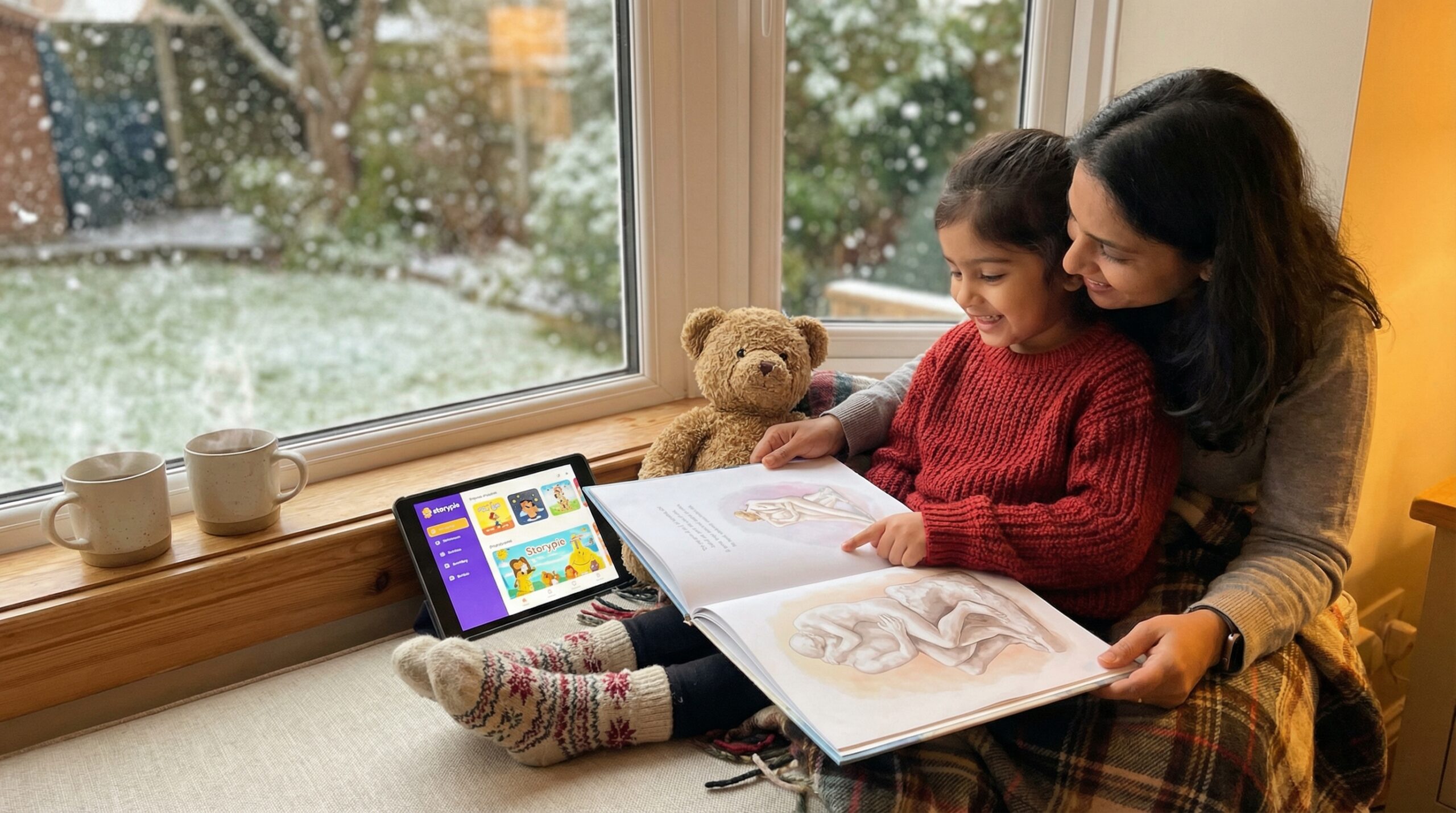
At the Musée Rodin in Paris the marble sits like a quiet guest. Many children pause and whisper. One little visitor pressed a finger to a brochure. Then the child pointed at the sculpture and said, “It looks like a big hug.” That exact kind of noticing delights us. A tiny joyful hush often follows.
Introduce The Kiss Rodin to children
Start small and keep language plain. Describe The Kiss as two people sharing a tender hug. Use short phrases: smooth cheek, curled hand, soft forehead. Then ask a few short questions:
- Who do you think they are?
- What feeling do you see?
- Can you show me a kind face?
Invite a child to point to a smooth surface. Name the feeling together. Pause for thirty seconds. This tiny ritual builds empathy and attention.
Talking about nudity and history
Keep explanations age appropriate. Classical and modern art often show the human body to study shape and feeling. For younger children, focus on emotion and craft rather than the adult story. For older children, you can share the Dante tale if you wish.
Museum visit checklist
- Pack a single question to ask at the sculpture.
- Bring paper and pencil for quick sketches.
- Ask the museum for a family label or guide before you go.
- Keep visits short and tactile: two minutes of looking, two minutes of drawing.
Activities to try at home
- Draw the pose with crayons. Keep lines slow and big.
- Make a clay pair of figures sitting together. Press fingertips to smooth the “skin.”
- Find other artworks that show care. Then talk about different kinds of hugs.
Read or listen to a story about The Kiss – Rodin now: For 3-5 year olds, For 6-8 year olds, For 8-10 year olds, and For 10-12 year olds.
Also visit the main Storypie page for this creation for more content and listening options: Read or listen to a story about The Kiss – Rodin.
Why this matters
The Kiss is an icon of modern sculpture. It is delightfully tender and a perfect prompt for teaching kids about empathy and craft. In fact, a rare 60 cm-high bronze cast of “The Kiss,” produced during Rodin’s lifetime, was auctioned in April 2025 with an estimated value of €500,000, showcasing the ongoing interest and financial value of Rodin’s work in today’s art market (The Guardian). Because Rodin died in 1917, images are widely available and easy to use in family learning. At Storypie we love how a single look can become a tiny practice in kindness. So try it today. Look, name, and share one kind feeling together.