
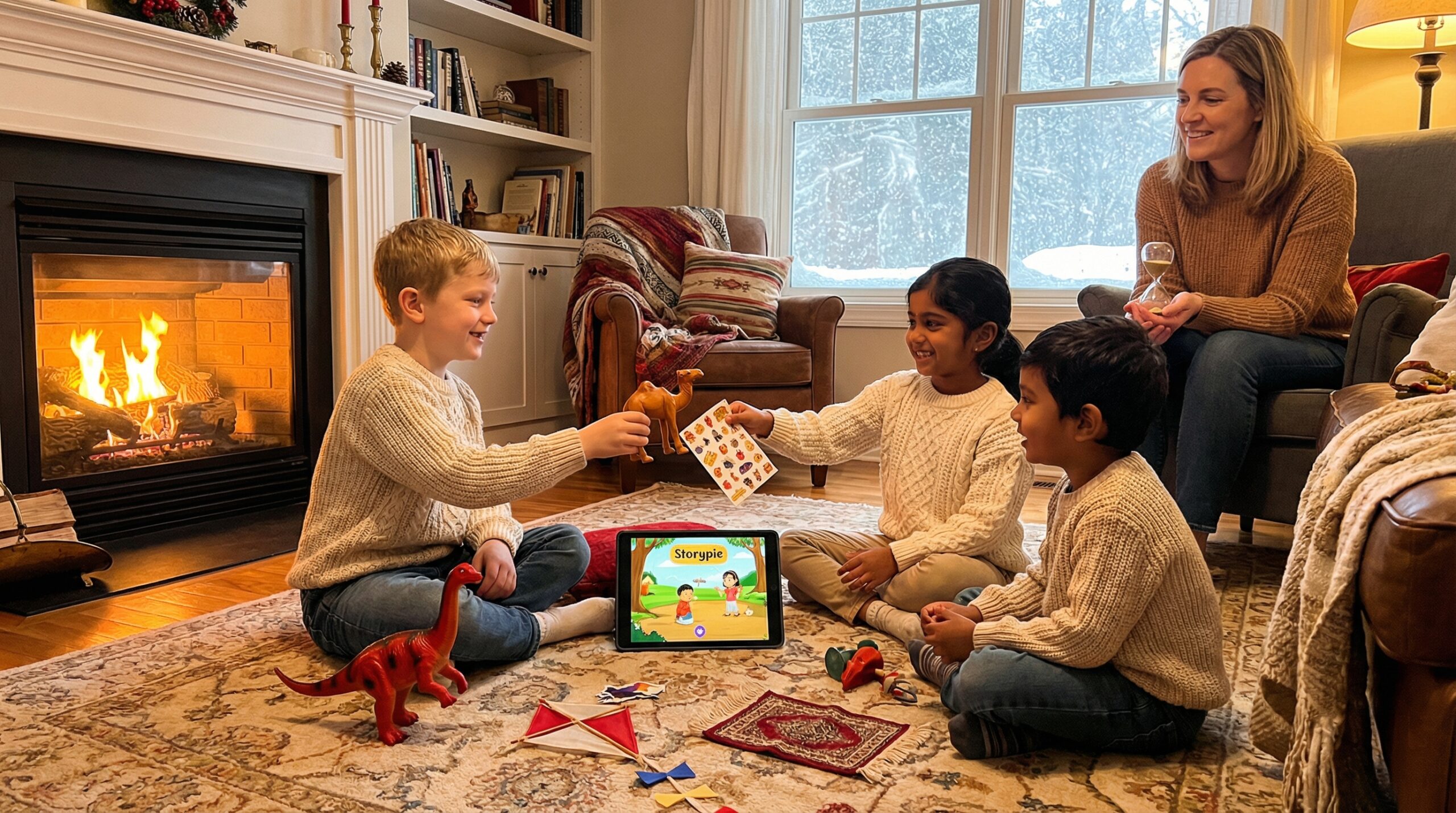
Trade for kids means swapping things or services between people. It sounds simple, yet it tells a big story. Parents and teachers can use it to spark curiosity. Also, it helps children notice where things come from.
Trade for Kids: A clear definition
Trade happens when two people agree to give each other something they want. Long ago, people bartered. They swapped grain for pottery. In ancient cities like those in Mesopotamia, people used clay tokens to record deals. Later, coins from places such as Lydia made trade easier and faster.
A short history of trade
Trade grew from small village swaps to vast international networks. For example, the Silk Road moved silk, spices, ideas, and glass across Asia and Europe. Likewise, the Columbian Exchange sent plants and animals between hemispheres. Then the Industrial Revolution and steamships sped things up. Today, container ships and the internet move goods worldwide. In fact, modern trade is thriving, with developing economies leading growth; in 2024, Asia and Oceania’s merchandise exports increased by 5.7% and imports by 5.9%, according to the United Nations Conference on Trade and Development.
Landmarks and routes
- Silk Road: goods and ideas crossed continents.
- Spice routes: spices drove exploration and trade.
- Columbian Exchange: new plants and animals changed diets and farms.
How trade works today
People and countries trade for the same reasons. First, specialization helps people make what they do best. Then trade gives access to new items and better prices. Money turns many swaps into simple buys. Also, online marketplaces act like modern town squares. Recent forecasts indicate a positive outlook for global trade; the World Trade Organization revised its forecast for global merchandise trade growth to 2.4% in 2025, spurred by a surge in demand for AI-related goods and increased U.S. imports.
Types of trade
- Barter: direct swapping without money.
- Local trade: marketplaces and neighborhood swaps.
- International trade: goods and services cross borders.
- Goods and services: things you buy and actions people perform.
Why trade matters to young learners
Trade shapes economies and daily life. It spreads tools, food, and ideas. Yet trade can also create unfair situations. Therefore, children benefit from simple conversations about fairness and origin. Parents can point out where items come from. That idea helps children think beyond the toy box. For instance, in 2023, the United States had a goods and services trade deficit of $773.4 billion, with exports at $3,053.5 billion and imports at $3,826.9 billion, according to the U.S. Bureau of Economic Analysis. Understanding such figures can help kids grasp the importance of trade in our lives.
Read or listen to a story about Trade now: Read or listen to a story about Trade now: For 3-5 year olds, For 6-8 year olds, For 8-10 year olds, and For 10-12 year olds.
Quick facts and friendly notes
- Trade began with barter and evolved into money-based systems.
- Major routes carried goods and ideas, not just objects.
- Modern trade uses ships, planes, trains, and the internet.
- Fair trade and ethical choices help protect people and the planet.
- In 2025, China’s annual trade surplus surpassed $1 trillion, highlighting its significant role in global trade dynamics, according to Le Monde.
If you want more, visit Storypie for stories and learning resources about trade. Cozy, curious, and true—trade invites a world of questions.