English

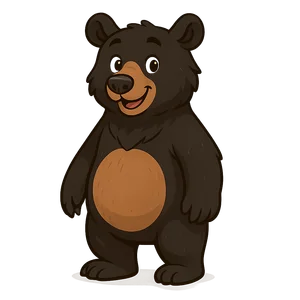
American Black Bear
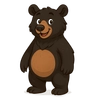
The American black bear is North America's smallest and most common bear species.
Reads at Grades 6–8 Listens at Grades 4–8
Print & create
Answer keys·No prep·Free with an account
28 worksheets · answer keys · full story · quiz · Ages 10-12 · CEFR B2
Plus adds 244,000+ more stories in 27 languages, audio for every one, and printables for all of them.
Just want American Black Bear?
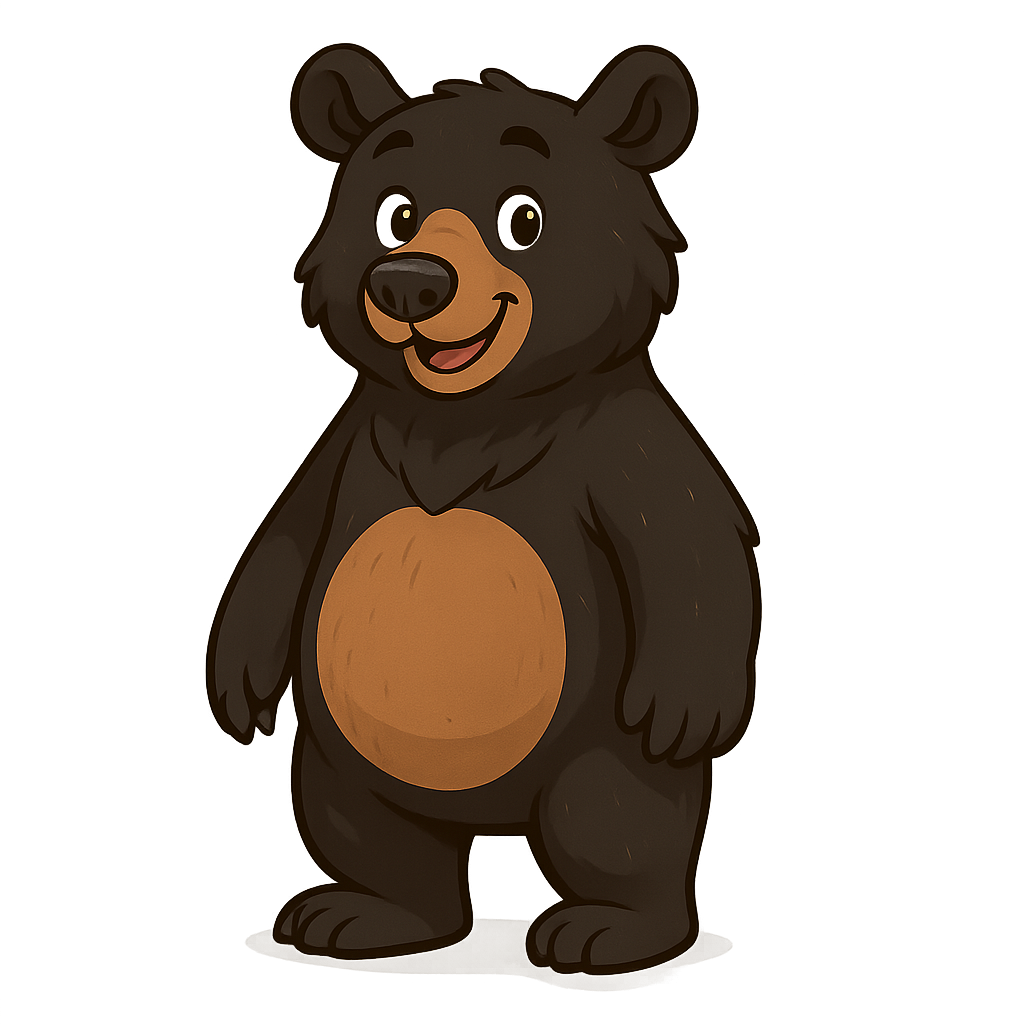
Hello, I am an American Black Bear. My story begins not in the bright sunshine of the forest, but in the deep, quiet dark of a winter den. I was born small and blind, one of several siblings huddled together for warmth. My world was the soft fur of my mother and the comforting sounds of her breathing. In those early days, I knew nothing of the vast world outside. I only knew the safety of our den and the care she gave us. While you may know me as a black bear, scientists have a more formal name for my kind. We were first described and given the name *Ursus americanus* way back in the year 1780. Even then, people were beginning to learn about our lives and our place in the wild lands of North America.
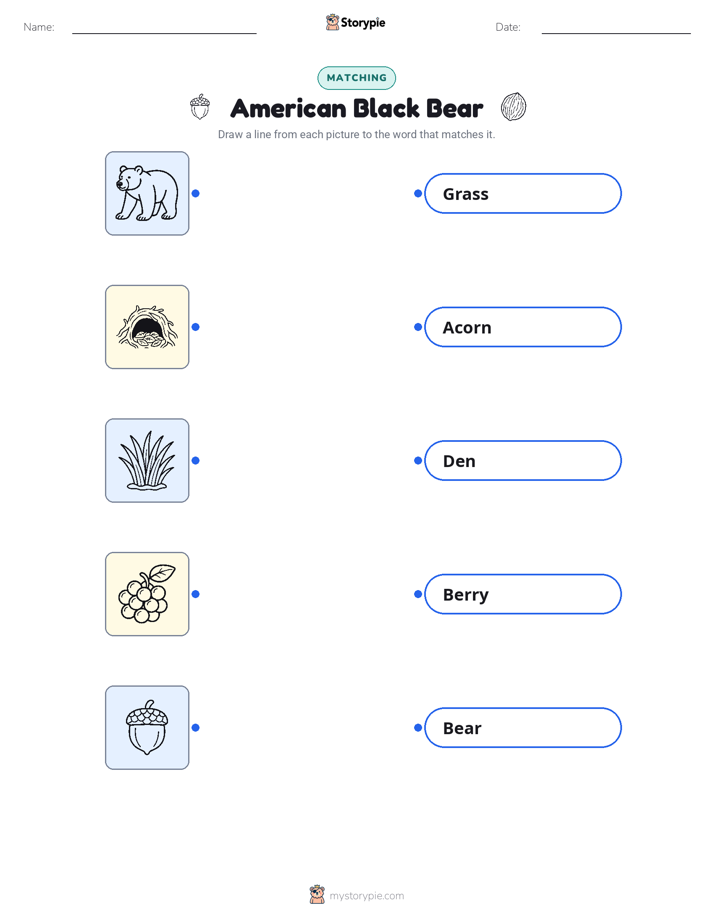
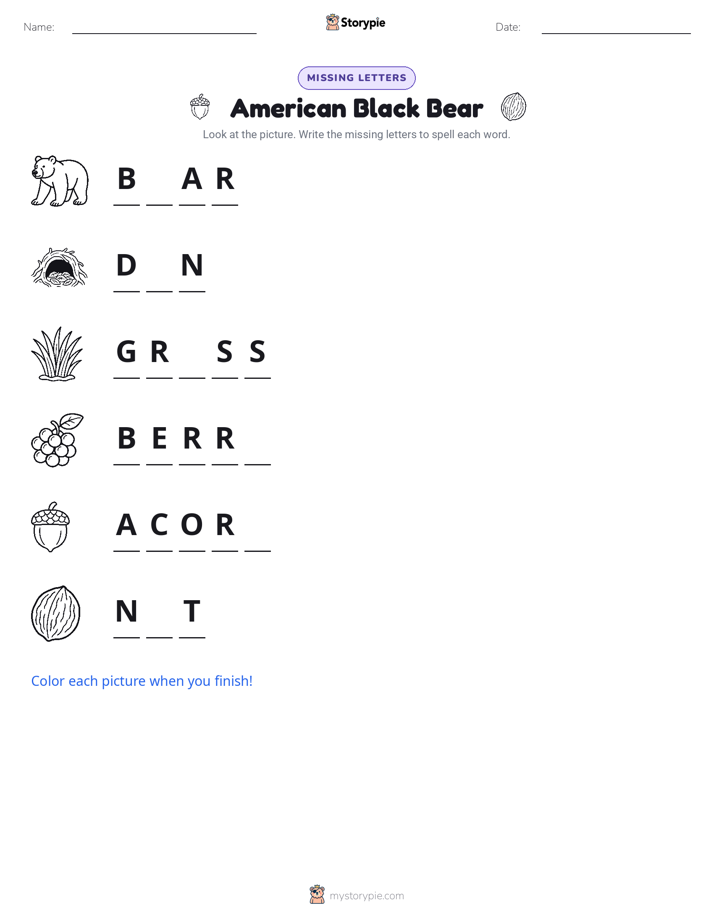
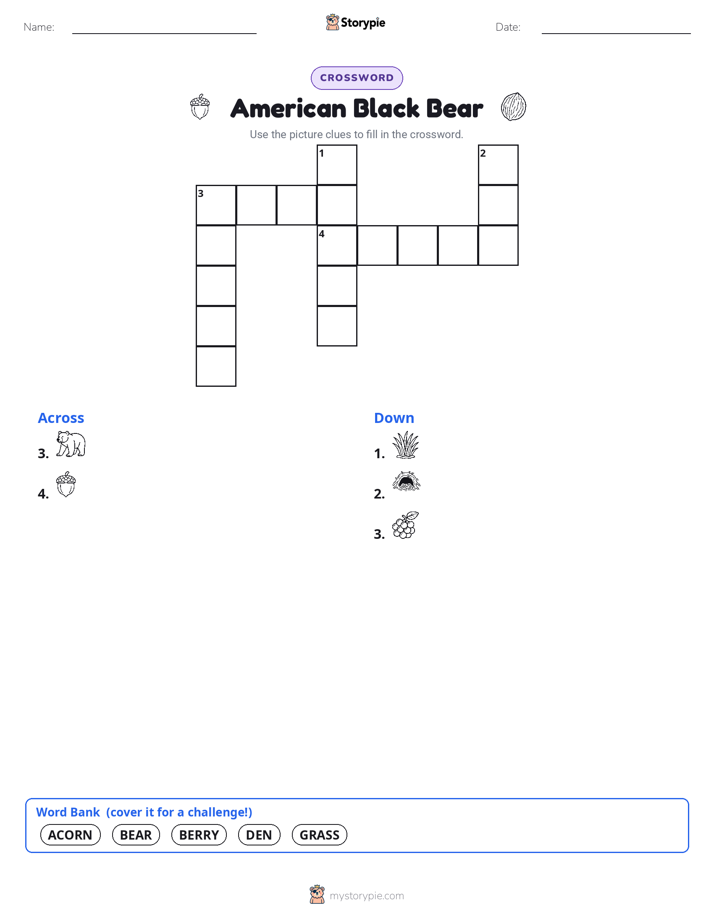
When spring finally arrived, a whole new world opened up to me. As I followed my mother out of the den, the first thing I noticed was the incredible symphony of smells. My nose became my guide, leading me through the dense forest and telling me everything I needed to know. I learned that my diet, like the forest itself, changes with the seasons. In the spring, I feasted on tender new plants and grasses. When summer came, the forest floor was dotted with juicy berries, and I spent my days finding the sweetest patches. In the fall, my focus shifted to protein-rich nuts and acorns, which I needed to fatten up for the long winter ahead. This intense period of eating is called hyperphagia. It’s my biological mission to consume as many calories as possible to build a thick layer of fat. This isn't just for my survival; it's also how I help the forest. As I travel, I disperse the seeds from the fruits I eat, planting the future generation of trees and shrubs. I am a gardener without even trying.
A Bear's Life
Hello, I am an American Black Bear. My story begins not in the bright sunshine of the forest, but in the deep, quiet dark of a winter den. I was born small and blind, one of several siblings huddled together for warmth. My world was the soft fur of my mother and the comforting sounds of her breathing. In those early days, I knew nothing of the vast world outside. I only knew the safety of our den and the care she gave us. While you may know me as a black bear, scientists have a more formal name for my kind. We were first described and given the name Ursus americanus way back in the year 1780. Even then, people were beginning to learn about our lives and our place in the wild lands of North America.
When spring finally arrived, a whole new world opened up to me. As I followed my mother out of the den, the first thing I noticed was the incredible symphony of smells. My nose became my guide, leading me through the dense forest and telling me everything I needed to know. I learned that my diet, like the forest itself, changes with the seasons. In the spring, I feasted on tender new plants and grasses. When summer came, the forest floor was dotted with juicy berries, and I spent my days finding the sweetest patches. In the fall, my focus shifted to protein-rich nuts and acorns, which I needed to fatten up for the long winter ahead. This intense period of eating is called hyperphagia. It’s my biological mission to consume as many calories as possible to build a thick layer of fat. This isn't just for my survival; it's also how I help the forest. As I travel, I disperse the seeds from the fruits I eat, planting the future generation of trees and shrubs. I am a gardener without even trying.
As the days grew shorter and colder, my body began to prepare for what many people call hibernation. For us bears, it’s more accurately a state of torpor. It isn't a deep, uninterrupted sleep that lasts all winter. Instead, it's a remarkable way my body conserves energy. I find a safe, insulated den—perhaps a hollow log or a cave—and my whole system slows down. My heart rate, which is normally around 50 beats per minute when I'm active, drops to fewer than 10 beats per minute. My body temperature also lowers slightly, just enough to save precious energy. During this time, I don’t eat or drink at all. I live entirely off the fat reserves I worked so hard to build during the fall. A secure den is crucial, as it protects me from the harsh weather and keeps me safe until the warmth of spring calls me out again.
My ancestors and I have roamed across a vast range in North America for thousands of years, but the world has changed. We have had to learn to live alongside a world increasingly shaped by humans. Fortunately, people have also worked to protect wild spaces. On March 1st, 1872, an incredible place called Yellowstone National Park was established. This was a landmark moment, creating a safe haven where my kind and countless other animals could thrive without the same pressures found elsewhere. However, living near people presents challenges. We are drawn to the scent of food, which can lead to human-wildlife conflict. That is why it is so important for people living in bear country to be responsible. Securing garbage and food sources keeps bears like me from becoming too comfortable around human homes, which ultimately keeps both us and them safe.
My place in this world is more than just a search for food and shelter. I am a vital part of my forest home. As a cleaner of the woods, I eat carcasses and help recycle nutrients back into the soil. As a forest gardener, I plant the seeds of the future. I am a symbol of the wild, a reminder of the untamed beauty of nature. My story is one of resilience, and so is the story of my cousins, the Louisiana black bear. They were once endangered, but thanks to dedicated conservation efforts, their population recovered. On March 10th, 2016, they were officially removed from the endangered species list. This shows that when people choose to help, we can coexist successfully. Wild bears like me can live for over 20 years, and I plan to spend my seasons contributing to the health and balance of my forest for a long, long time.
Wow facts
About
The American black bear is North America's smallest and most common bear species. They are highly adaptable omnivores known for their excellent climbing skills and their connection to the famous 'Teddy Bear' story.
Take a Quiz
Question 1 of 5
The story mentions the Louisiana black bear was removed from the endangered list. What does this event suggest about the relationship between humans and bears?
Explore next


Want to do even more?
Go beyond exploring. Unlock tools that turn every story into real learning.

Storypie Plus for families
Full stories, quizzes, and printables. Nights and car rides, sorted.
- Unlimited audio stories
- Create Mode: your child stars in the story
- Offline downloads
- Printable worksheets & coloring pages

Why Storypie for Schools
Students engaged. Prep in seconds. Evenings back to you.
- Worksheets & Quizzes
- Classroom Management
- Formative Assessment
- Custom Curriculum & Lesson Plans
- 27 Languages

Why Storypie for Homeschool
Curriculum done. They'll ask for more. Hours back in your day.
- Worksheet Generator
- First-Person Audio Stories
- Built-in Comprehension Quizzes
- Custom Curriculum & Lesson Plans
- Print & Go Activities