English

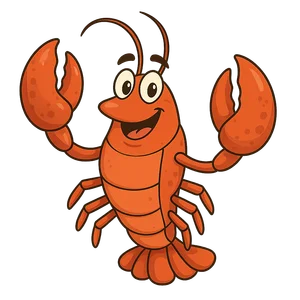
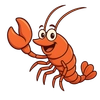
American Lobster
The American lobster (Homarus americanus) is a large marine crustacean found in the cold…
Reads at Grades 3–5 Listens at Grades 1–5
Print & create
Answer keys·No prep·Free with an account
28 worksheets · answer keys · full story · quiz · Ages 8-10 · CEFR B1
Plus adds 244,000+ more stories in 27 languages, audio for every one, and printables for all of them.
Just want American Lobster?
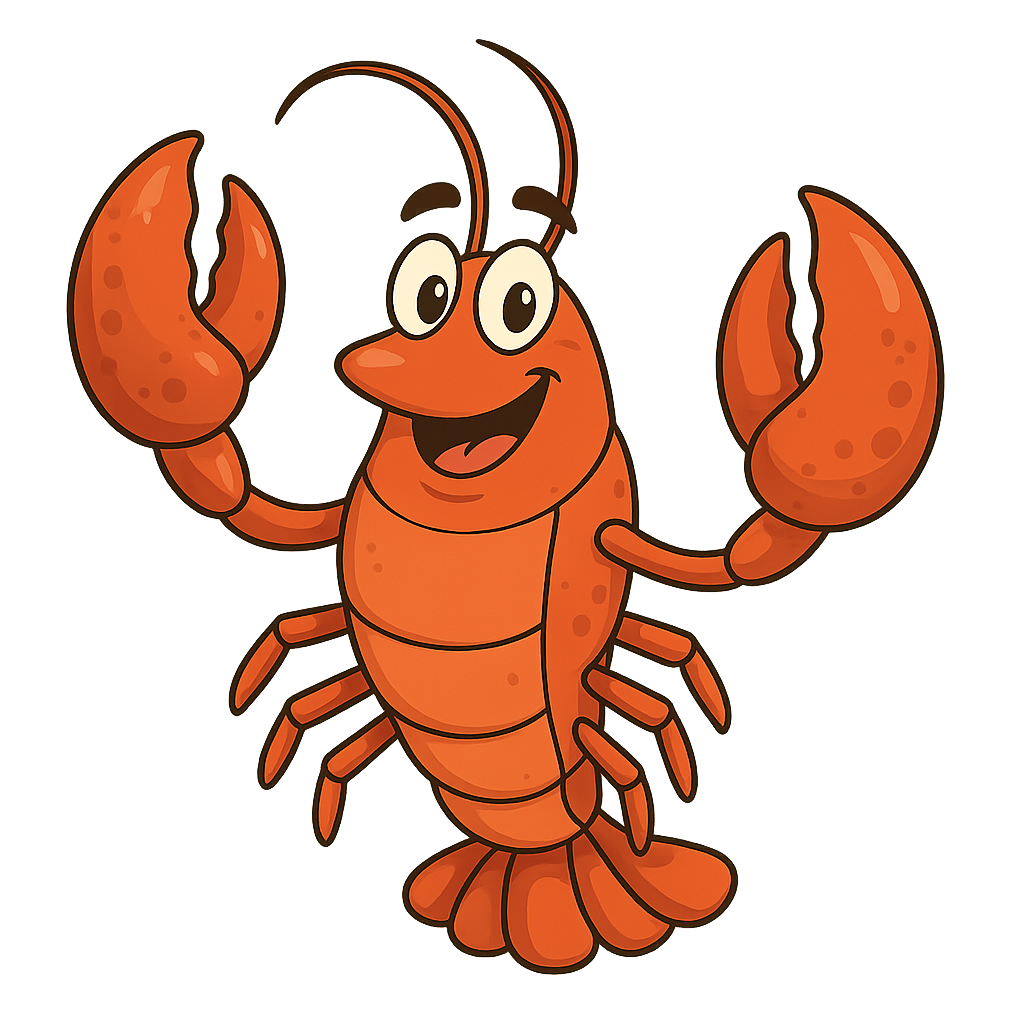
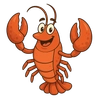
Hello! My name is Homarus, and I’m an American Lobster. My adventure began around the year 2015. I started my life as a tiny egg, just one of thousands that my mother carried safely tucked under her tail. When I finally hatched into the big Atlantic Ocean, I was no bigger than a mosquito. For the first part of my life, I wasn't the lobster you see today. I was a larva, a see-through little creature that drifted along near the ocean's surface. The currents pushed me here and there, and my journey was just getting started.
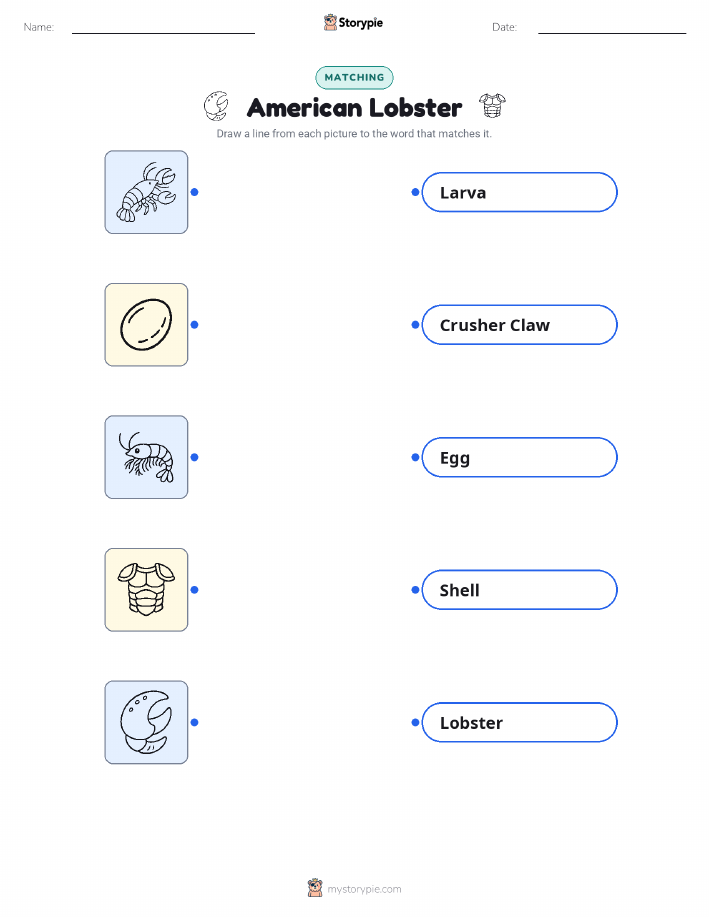
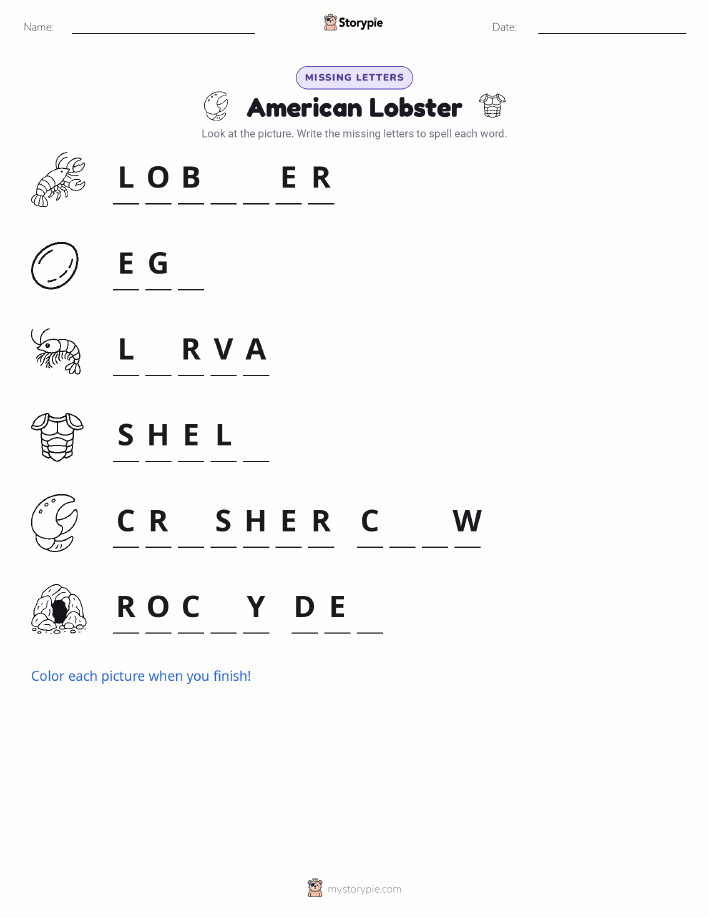
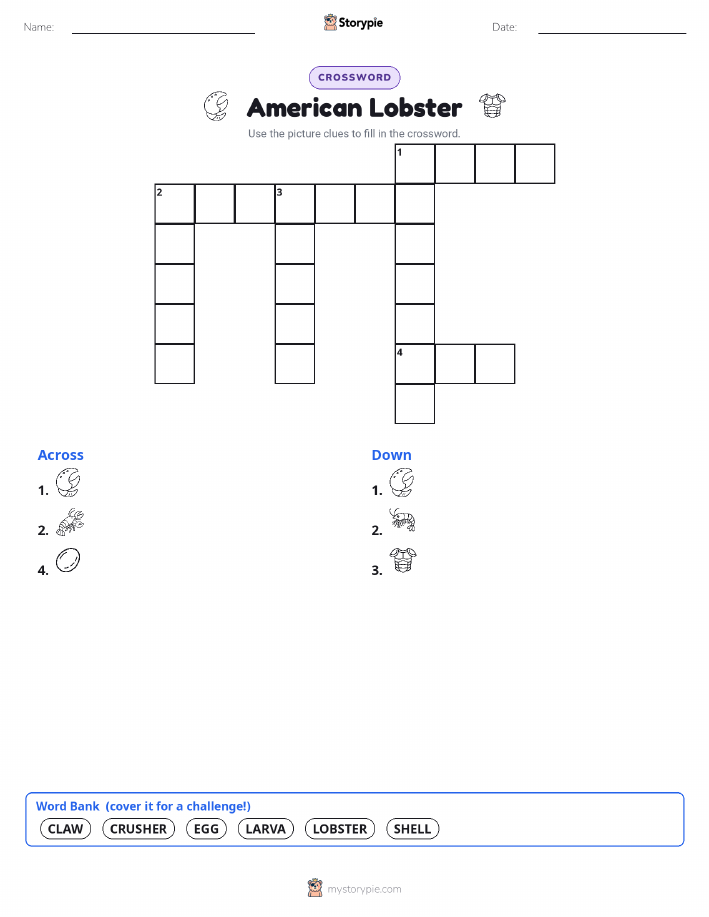
After a few weeks of floating and drifting, I felt a change. It was time to find a real home, so I settled down to the rocky bottom of the ocean. Down on the seafloor, my most important job was to grow. To do that, I had to molt, which is a fancy word for shedding my hard outer shell when it gets too small. The first few years of my life were very busy with molting. Each time I molted, I had to be very careful. My new shell was soft for a while, so I had to hide from predators like codfish until it hardened. As I grew bigger and stronger with each molt, my amazing claws began to develop. They didn't grow to be the same. One of my claws became a big, powerful crusher claw. I use it to break open hard-shelled food, like clams and snails. My other claw grew into a sharper pincer, which is perfect for tearing my food into smaller, bite-sized pieces.
We lobsters can live for a very long time. It’s not unusual for some of us to live for 100 years. My great-great-grandparents who lived long ago saw many changes in our ocean world. I heard stories passed down from older lobsters that humans have been interested in us for a long time. For instance, way back in 1874, people in a place called Maine made a special rule. The rule said that we had to be a certain size before we could be caught. This was a very important rule because it helped make sure young lobsters like me had a chance to grow up and have families of our own. Today, our ocean home is changing again. The water is getting a little warmer each year. This change in temperature affects where we can live. We lobsters prefer cool, rocky spots where we can hide and find food, so we have to search for new neighborhoods that are deeper and colder.
The Story of Homarus the Lobster
Hello! My name is Homarus, and I’m an American Lobster. My adventure began around the year 2015. I started my life as a tiny egg, just one of thousands that my mother carried safely tucked under her tail. When I finally hatched into the big Atlantic Ocean, I was no bigger than a mosquito. For the first part of my life, I wasn't the lobster you see today. I was a larva, a see-through little creature that drifted along near the ocean's surface. The currents pushed me here and there, and my journey was just getting started.
After a few weeks of floating and drifting, I felt a change. It was time to find a real home, so I settled down to the rocky bottom of the ocean. Down on the seafloor, my most important job was to grow. To do that, I had to molt, which is a fancy word for shedding my hard outer shell when it gets too small. The first few years of my life were very busy with molting. Each time I molted, I had to be very careful. My new shell was soft for a while, so I had to hide from predators like codfish until it hardened. As I grew bigger and stronger with each molt, my amazing claws began to develop. They didn't grow to be the same. One of my claws became a big, powerful crusher claw. I use it to break open hard-shelled food, like clams and snails. My other claw grew into a sharper pincer, which is perfect for tearing my food into smaller, bite-sized pieces.
We lobsters can live for a very long time. It’s not unusual for some of us to live for 100 years. My great-great-grandparents who lived long ago saw many changes in our ocean world. I heard stories passed down from older lobsters that humans have been interested in us for a long time. For instance, way back in 1874, people in a place called Maine made a special rule. The rule said that we had to be a certain size before we could be caught. This was a very important rule because it helped make sure young lobsters like me had a chance to grow up and have families of our own. Today, our ocean home is changing again. The water is getting a little warmer each year. This change in temperature affects where we can live. We lobsters prefer cool, rocky spots where we can hide and find food, so we have to search for new neighborhoods that are deeper and colder.
Now, I spend my days exploring my rocky home on the seafloor. I use the long antennae on my head and tiny bristles on my legs to smell and taste my way through the water, searching for my next meal. I have a very important job down here—I'm part of the ocean's clean-up crew. I am an opportunistic feeder, consuming both live prey and scavenging on dead animals. By doing this, I help keep the water clean and healthy for all the other creatures who live here. My existence is important for the whole ecosystem, from the smallest snail to the biggest codfish that sometimes tries to eat me. Even though people find us tasty, we are also a vital part of a balanced ocean world. It's a job we lobsters have been doing for millions of years, and I am proud to play my part in keeping our ocean home healthy and thriving for everyone.
Wow facts
About
The American lobster (Homarus americanus) is a large marine crustacean found in the cold, rocky waters of the North Atlantic Ocean. It is known for its long lifespan, powerful claws, and significant role in both marine ecosystems and commercial fisheries.
Take a Quiz
Question 1 of 5
What two different types of claws did Homarus grow as he got older?
Explore next



Want to do even more?
Go beyond exploring. Unlock tools that turn every story into real learning.

Storypie Plus for families
Full stories, quizzes, and printables. Nights and car rides, sorted.
- Unlimited audio stories
- Create Mode: your child stars in the story
- Offline downloads
- Printable worksheets & coloring pages

Why Storypie for Schools
Students engaged. Prep in seconds. Evenings back to you.
- Worksheets & Quizzes
- Classroom Management
- Formative Assessment
- Custom Curriculum & Lesson Plans
- 27 Languages

Why Storypie for Homeschool
Curriculum done. They'll ask for more. Hours back in your day.
- Worksheet Generator
- First-Person Audio Stories
- Built-in Comprehension Quizzes
- Custom Curriculum & Lesson Plans
- Print & Go Activities