English

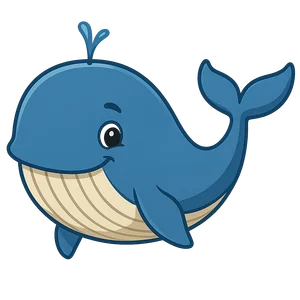
Blue Whale
The blue whale is the largest animal on Earth…
Reads at Grades 3–5 Listens at Grades 1–5
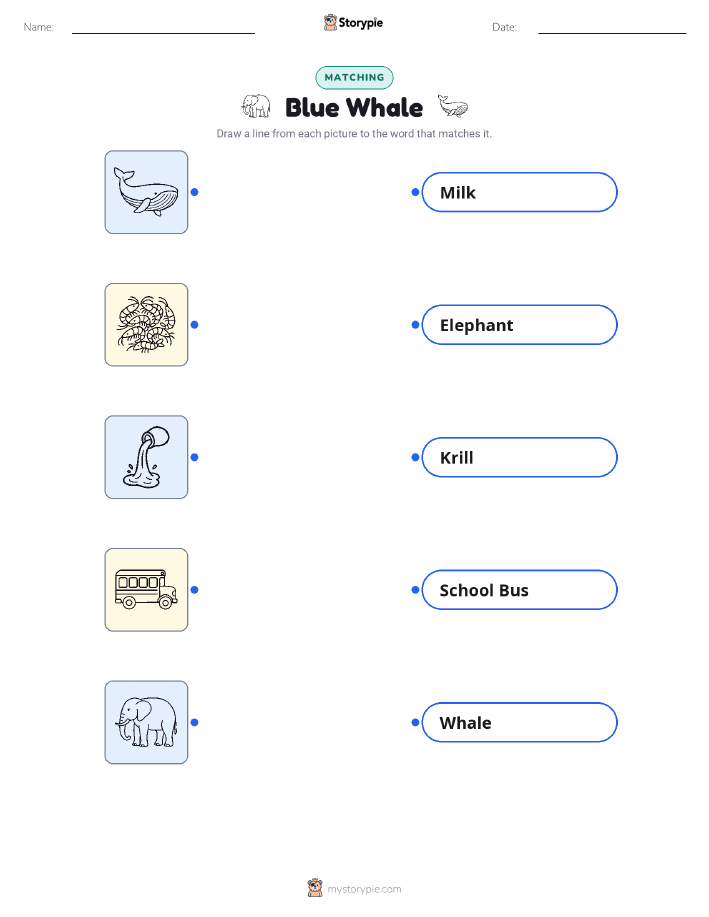
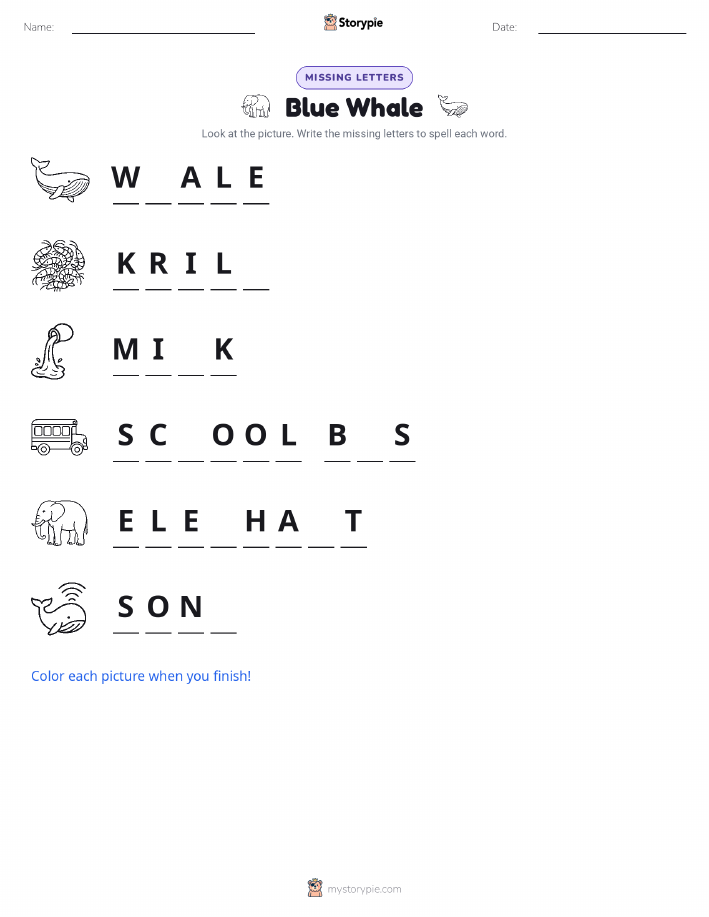
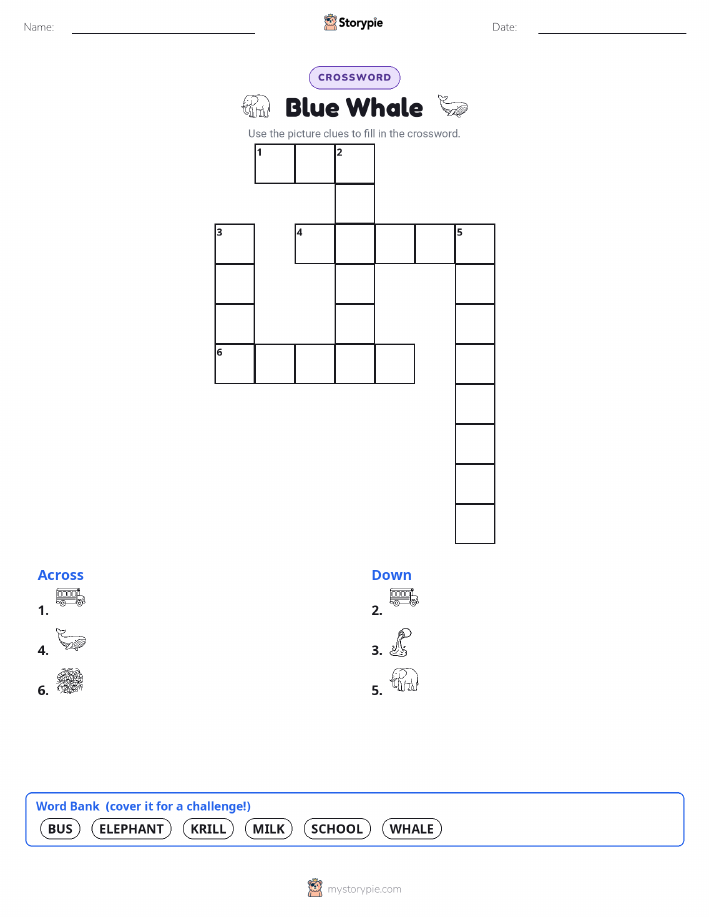
Print & create
Answer keys·No prep·Free with an account
28 worksheets · answer keys · full story · quiz · Ages 8-10 · CEFR B1
Plus adds 244,000+ more stories in 27 languages, audio for every one, and printables for all of them.
Just want Blue Whale?
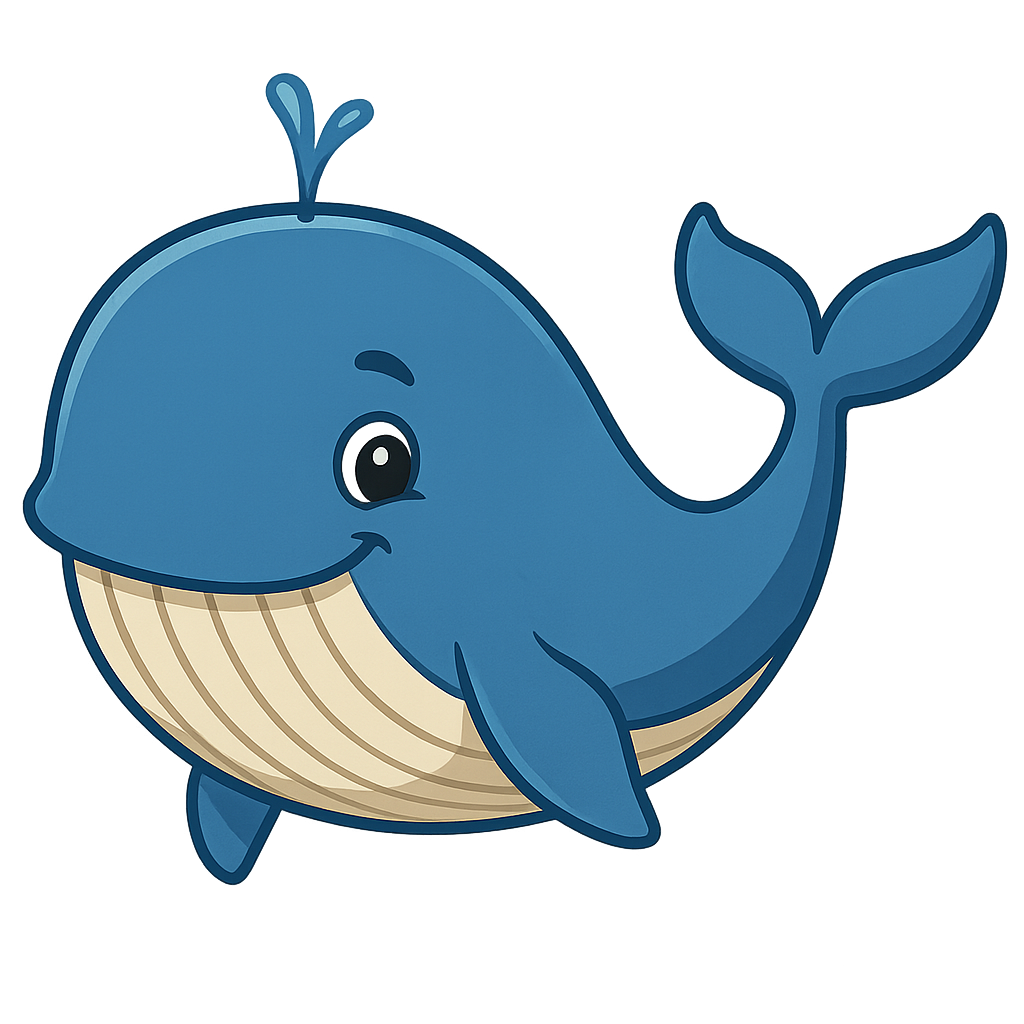
Hello there. I am a Blue Whale, and I am the largest animal to have ever lived on our planet Earth. It’s hard to imagine just how big I am, but think of it this way: my heart is about the size of a car, and my tongue weighs as much as an elephant. I was born in the warm, gentle tropical waters of the ocean. From my very first day, I drank my mother’s rich milk, which was so full of nutrients that it helped me grow bigger and stronger with every breath. I gained about two hundred pounds every single day. Can you imagine growing that fast? The warm water was my nursery, keeping me safe and strong until I was big enough to explore the wider ocean world with my mother.
My home is the vast, deep blue ocean. It stretches farther than your eyes can see. Even though I am a giant, my favorite food is one of the smallest creatures in the sea: tiny, shrimp-like animals called krill. You might wonder how a whale as big as me can eat something so small. Well, I have a special tool in my mouth. Instead of teeth, I have baleen plates that hang from the top of my jaw. When I take a huge gulp of water filled with krill, I push the water out through the baleen, which acts like a giant strainer. The water escapes, but all the yummy krill get caught for me to swallow. I need to eat millions of them every day to get enough energy for my long journeys. Every year, I travel on a great migration. I swim from the cold, icy waters near the poles, where I spend my time feeding, all the way to the warm, tropical waters where I go to have my babies. It is a very long journey, but it is one I must make to find food and raise my family.
A Song from the Deep
Hello there. I am a Blue Whale, and I am the largest animal to have ever lived on our planet Earth. It’s hard to imagine just how big I am, but think of it this way: my heart is about the size of a car, and my tongue weighs as much as an elephant. I was born in the warm, gentle tropical waters of the ocean. From my very first day, I drank my mother’s rich milk, which was so full of nutrients that it helped me grow bigger and stronger with every breath. I gained about two hundred pounds every single day. Can you imagine growing that fast? The warm water was my nursery, keeping me safe and strong until I was big enough to explore the wider ocean world with my mother.
My home is the vast, deep blue ocean. It stretches farther than your eyes can see. Even though I am a giant, my favorite food is one of the smallest creatures in the sea: tiny, shrimp-like animals called krill. You might wonder how a whale as big as me can eat something so small. Well, I have a special tool in my mouth. Instead of teeth, I have baleen plates that hang from the top of my jaw. When I take a huge gulp of water filled with krill, I push the water out through the baleen, which acts like a giant strainer. The water escapes, but all the yummy krill get caught for me to swallow. I need to eat millions of them every day to get enough energy for my long journeys. Every year, I travel on a great migration. I swim from the cold, icy waters near the poles, where I spend my time feeding, all the way to the warm, tropical waters where I go to have my babies. It is a very long journey, but it is one I must make to find food and raise my family.
Living in such a massive ocean could be lonely, but my friends and I have a special way of talking to each other, even when we are hundreds of miles apart. We sing. My song is not like a bird's song; it is a deep, powerful, rumbling sound that travels incredibly far through the water. In fact, my song is one of the loudest sounds made by any animal on Earth. These low-frequency sounds are how we communicate across the enormous distances of the sea. We use our songs to find each other, to share messages about where to find food, and to let others know we are here. It is our way of staying connected in the deep blue world, a secret language that echoes through the ocean's currents and canyons.
My life in the ocean has not always been peaceful. For my ancestors, the early 1900s were a very dangerous time. Large whaling ships began hunting us, and because we are so big, we were easy to spot. So many blue whales were hunted that our numbers became very, very small, and we were in danger of disappearing forever. It was a sad chapter in our history. But then, something hopeful happened. People around the world realized what was happening and decided to help. The International Whaling Commission was established in 1946. They implement regulations to conserve whale populations and manage whaling activities, giving my species a chance to survive and for our numbers to slowly grow again. These new human friends gave us a future.
Today, I have a very important job in the ocean. When I swim and dive, my movements help mix nutrients in the water. My waste also acts as a fertilizer for the ocean, helping tiny plants called phytoplankton to grow. These plants are food for krill and many other small creatures, which means I help support the entire ocean food web. I am a peaceful giant, and I can live a very long life, often between 80 and 90 years. While there are still some dangers in the ocean today, like getting tangled in fishing gear or being disturbed by loud ship noises, many people are working hard to keep us safe. I continue my long migrations and sing my deep songs, helping to keep our planet's beautiful oceans healthy for everyone.
Wow facts
About
The blue whale is the largest animal on Earth, a baleen whale that feeds on krill and communicates using low-frequency sounds. Once nearly hunted to extinction in the 20th century, its populations are now protected and slowly recovering.
Take a Quiz
Question 1 of 5
In the story, the whale says its baleen plates work like a giant 'strainer.' What does a strainer do?
Explore next




Want to do even more?
Go beyond exploring. Unlock tools that turn every story into real learning.

Storypie Plus for families
Full stories, quizzes, and printables. Nights and car rides, sorted.
- Unlimited audio stories
- Create Mode: your child stars in the story
- Offline downloads
- Printable worksheets & coloring pages

Why Storypie for Schools
Students engaged. Prep in seconds. Evenings back to you.
- Worksheets & Quizzes
- Classroom Management
- Formative Assessment
- Custom Curriculum & Lesson Plans
- 27 Languages

Why Storypie for Homeschool
Curriculum done. They'll ask for more. Hours back in your day.
- Worksheet Generator
- First-Person Audio Stories
- Built-in Comprehension Quizzes
- Custom Curriculum & Lesson Plans
- Print & Go Activities