English

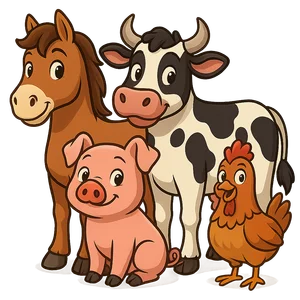
Farm Animals
Farm animals, also known as livestock…
Reads at Grades 6–8 Listens at Grades 4–8
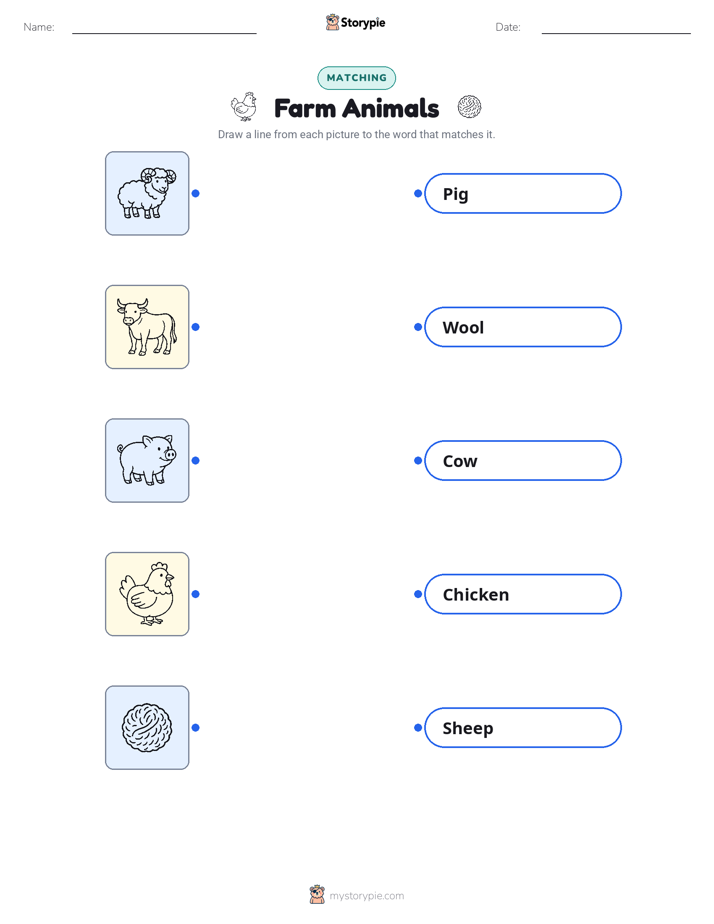
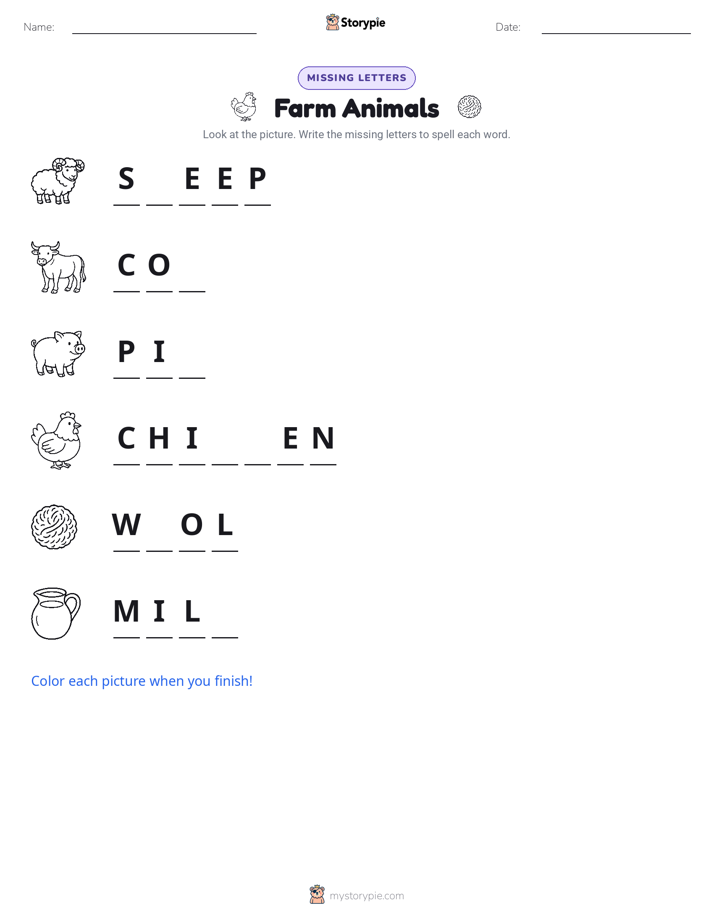
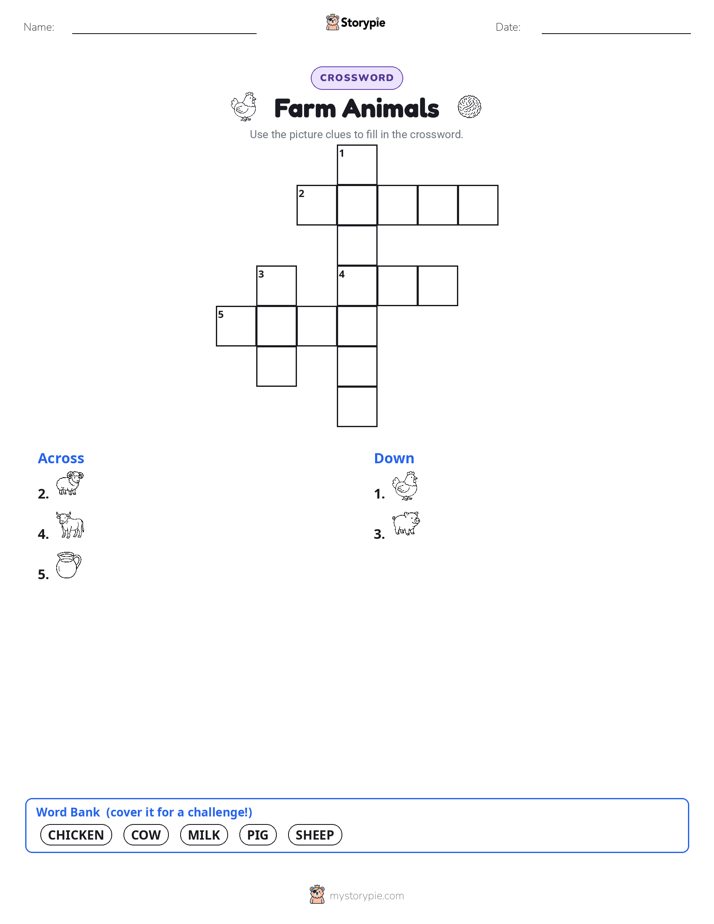
Print & create
Answer keys·No prep·Free with an account
28 worksheets · answer keys · full story · quiz · Ages 10-12 · CEFR B2
Plus adds 244,000+ more stories in 27 languages, audio for every one, and printables for all of them.
Just want Farm Animals?
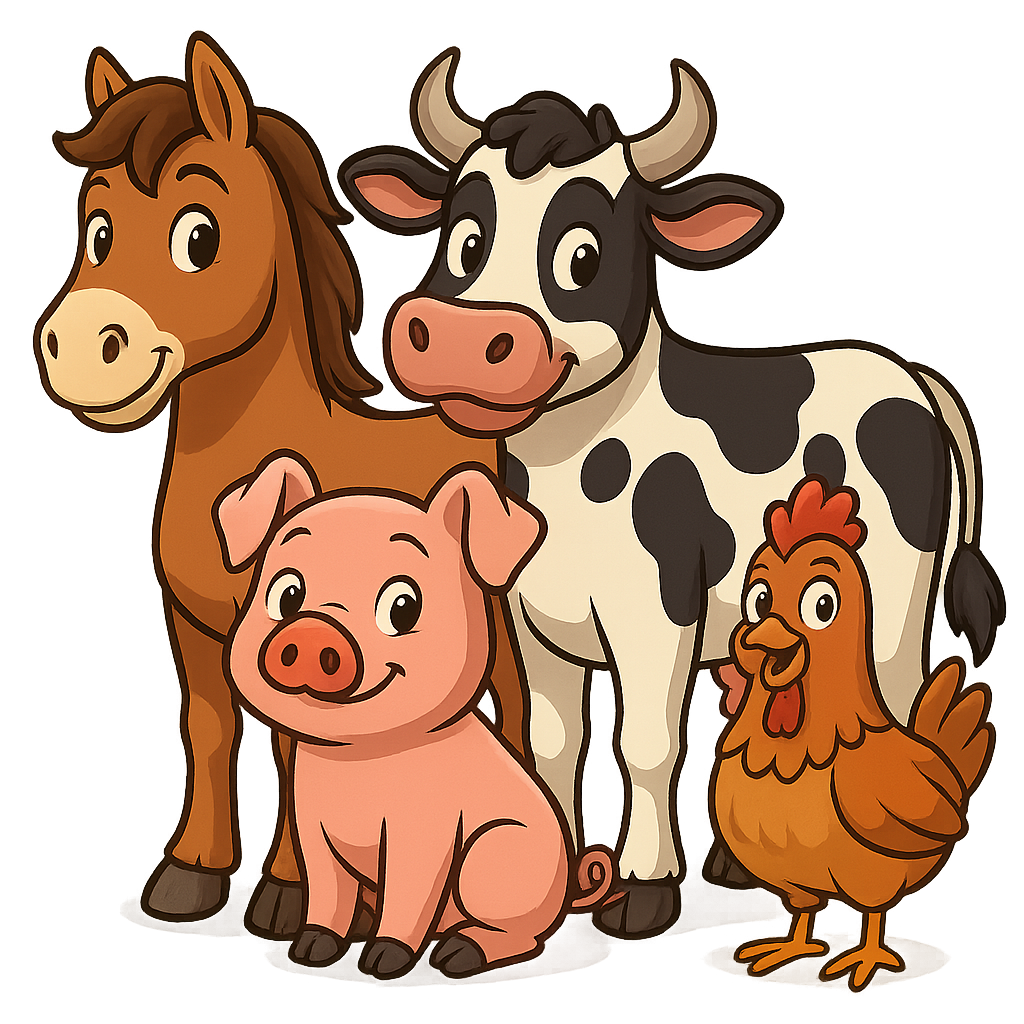
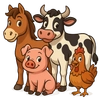
Hello! We are the farm animals. You surely know our relatives: the cows you see in the pasture, the pigs living in their pens, the chickens in the coop, and the sheep dotting the hills. Our story is not about just one of us, but all of us, and it is a story deeply connected with yours. It began a very long time ago, around 11,000 BCE, in a region of the world your ancestors called the Fertile Crescent. During this time, humans were discovering how to grow their own food through farming. My sheep and goat ancestors were the very first to join them in this new venture. Instead of being hunted as they had been, we began a partnership. We provided essential resources like wool for warmth and milk for nourishment. In return, humans offered us consistent food, fresh water, and vital protection from predators. This arrangement marked a profound shift in the world, signaling the start of a cooperative new way of life for both humans and animals.
After my sheep and goat relatives demonstrated how successful this partnership could be, more of my family began to join. Around 9,000 BCE, my clever pig ancestors, who are excellent at foraging and clearing land, were domesticated in the same region. Not long after, around 8,500 BCE, my large and powerful cattle ancestors came into the partnership. We are descended from mighty wild beasts known as aurochs, and we brought a unique gift to the farm: our immense strength. We could pull plows through tough soil and haul heavy carts, making the hard work of farming much more efficient for our human companions. A bit later, in a different part of the world, my chicken relatives were domesticated in Southeast Asia around 6,000 BCE. At first, we were admired for our vibrant feathers and our loud crowing at dawn, long before people discovered how delicious and useful our eggs were. Each of us brought a special skill or resource, strengthening the bond we shared with people.
The Farm Animals' Shared Story
Hello! We are the farm animals. You surely know our relatives: the cows you see in the pasture, the pigs living in their pens, the chickens in the coop, and the sheep dotting the hills. Our story is not about just one of us, but all of us, and it is a story deeply connected with yours. It began a very long time ago, around 11,000 BCE, in a region of the world your ancestors called the Fertile Crescent. During this time, humans were discovering how to grow their own food through farming. My sheep and goat ancestors were the very first to join them in this new venture. Instead of being hunted as they had been, we began a partnership. We provided essential resources like wool for warmth and milk for nourishment. In return, humans offered us consistent food, fresh water, and vital protection from predators. This arrangement marked a profound shift in the world, signaling the start of a cooperative new way of life for both humans and animals.
After my sheep and goat relatives demonstrated how successful this partnership could be, more of my family began to join. Around 9,000 BCE, my clever pig ancestors, who are excellent at foraging and clearing land, were domesticated in the same region. Not long after, around 8,500 BCE, my large and powerful cattle ancestors came into the partnership. We are descended from mighty wild beasts known as aurochs, and we brought a unique gift to the farm: our immense strength. We could pull plows through tough soil and haul heavy carts, making the hard work of farming much more efficient for our human companions. A bit later, in a different part of the world, my chicken relatives were domesticated in Southeast Asia around 6,000 BCE. At first, we were admired for our vibrant feathers and our loud crowing at dawn, long before people discovered how delicious and useful our eggs were. Each of us brought a special skill or resource, strengthening the bond we shared with people.
For thousands of years, our families expanded alongside yours, gradually spreading across the continents of Asia, Europe, and Africa. Then came an era of great exploration and long sea voyages that would change the world forever. Beginning in 1492 CE, when human explorers sailed across the vast Atlantic Ocean, our world suddenly became much larger. My horse, cattle, pig, and sheep relatives were brought to the Americas for the first time on these ships. This was a monumental change for the land and the people who lived there. This event, which historians call the 'Columbian Exchange,' involved sharing animals and plants between continents that had been isolated from each other for millions of years. We had to learn to adapt to entirely new climates, different plants for grazing, and unfamiliar landscapes, but in doing so, we helped human communities to grow and prosper in these new lands.
As our partnership with humans deepened over the centuries, a fascinating process began to unfold. Humans started to notice that some of us were naturally woollier, some produced more milk, while others were exceptionally strong or grew quickly. They began to carefully choose the parents with the traits they found most useful and encouraged them to have babies. This practice is known as selective breeding. Because of this careful selection over many generations, we now have an incredible diversity of breeds within our families. Just think of all the different kinds of sheep—some, like the Merino, have fluffy, dense wool perfect for making sweaters, while others have coats of hair that are better suited for hot climates. You can see the same variety among cattle, from the black-and-white Holstein cows famous for their milk to the sturdy Angus cattle raised for their meat. We were gradually shaped by the jobs we performed, becoming specialists in the unique roles we played in our shared world.
Today, in the 20th and 21st centuries, our lives may look quite different from how they did thousands of years ago, especially with modern technology transforming the way farms operate. However, our fundamental purpose in our partnership with you remains the same. We are a crucial part of a vital cycle. We have the special ability to turn grass, grains, and sunshine into milk, eggs, wool, and meat that feed and clothe people all over the planet. Our role is a great responsibility, one we have carried alongside you for millennia. We are a living connection to your own history and a key component of your future, a constant reminder of the powerful and enduring bond between humans and animals.
Wow facts
About
Farm animals, also known as livestock, are animals that have been domesticated or are wild animals raised in special places by humans for agricultural purposes, such as producing food, fiber, or for labor.
Take a Quiz
Question 1 of 5
Which statement best summarizes the main idea of the farm animals' story?
Explore next




Want to do even more?
Go beyond exploring. Unlock tools that turn every story into real learning.

Storypie Plus for families
Full stories, quizzes, and printables. Nights and car rides, sorted.
- Unlimited audio stories
- Create Mode: your child stars in the story
- Offline downloads
- Printable worksheets & coloring pages

Why Storypie for Schools
Students engaged. Prep in seconds. Evenings back to you.
- Worksheets & Quizzes
- Classroom Management
- Formative Assessment
- Custom Curriculum & Lesson Plans
- 27 Languages

Why Storypie for Homeschool
Curriculum done. They'll ask for more. Hours back in your day.
- Worksheet Generator
- First-Person Audio Stories
- Built-in Comprehension Quizzes
- Custom Curriculum & Lesson Plans
- Print & Go Activities