English

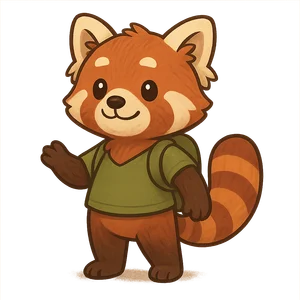
Red Panda
The red panda is a small mammal native to the eastern Himalayas and southwestern China…
Reads at Grades 6–8 Listens at Grades 4–8
Print & create
Answer keys·No prep·Free with an account
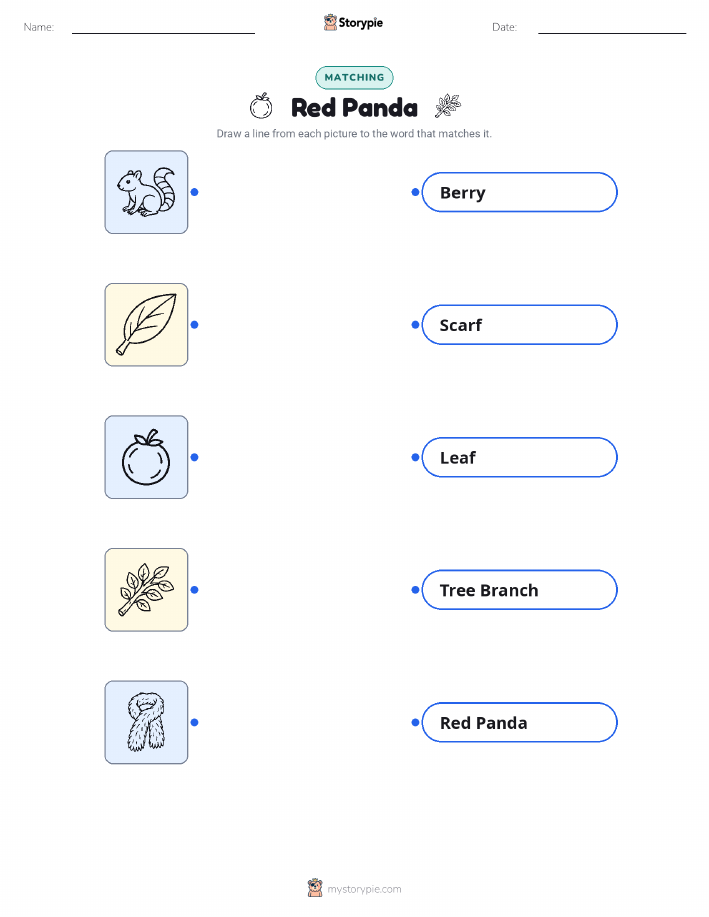
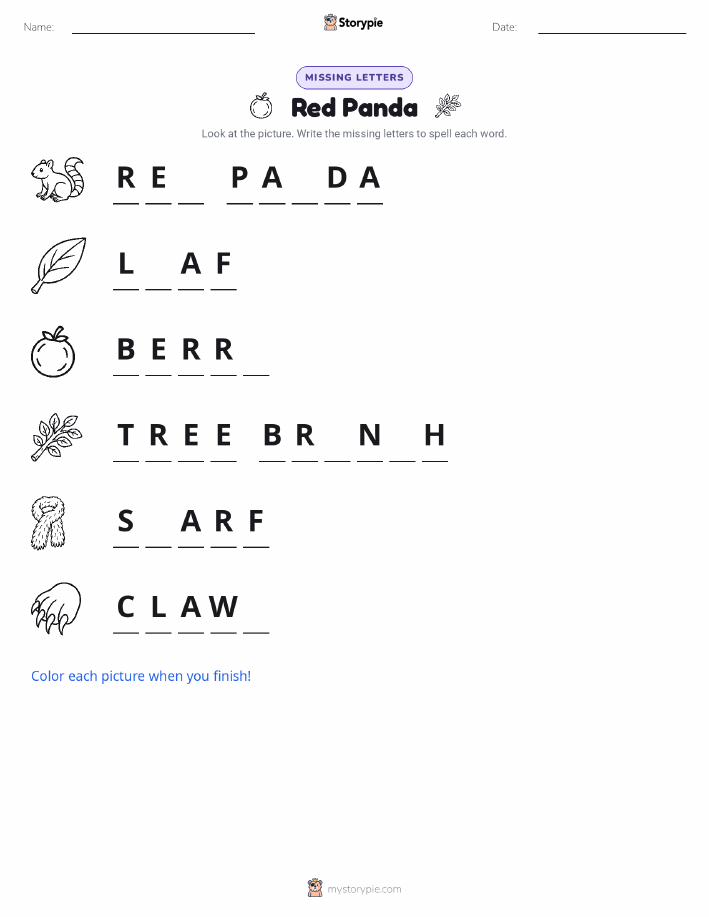
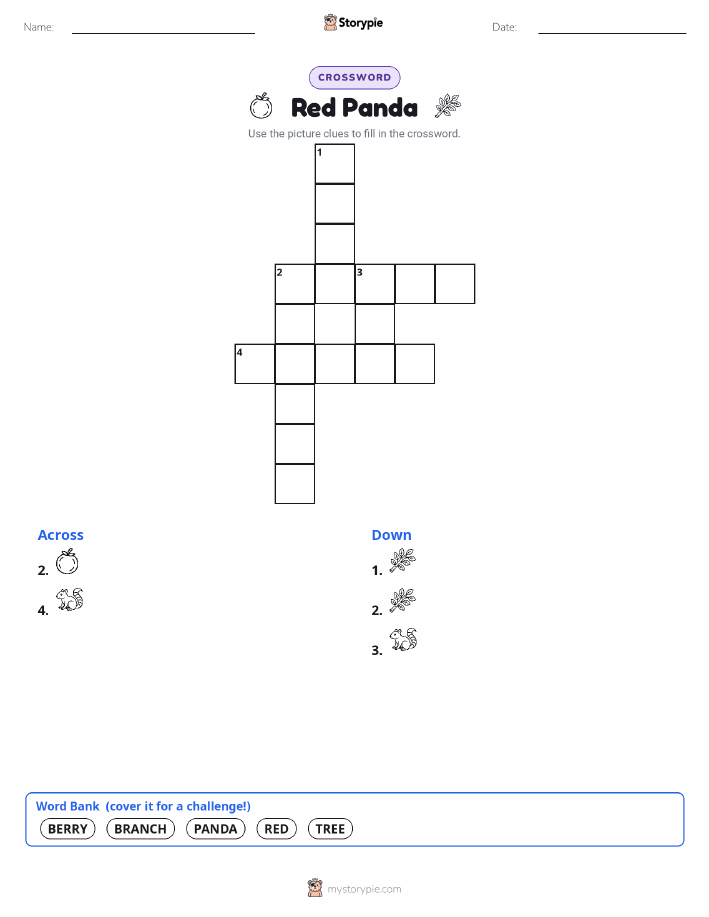
28 worksheets · answer keys · full story · quiz · Ages 10-12 · CEFR B2
Plus adds 244,000+ more stories in 27 languages, audio for every one, and printables for all of them.
Just want Red Panda?
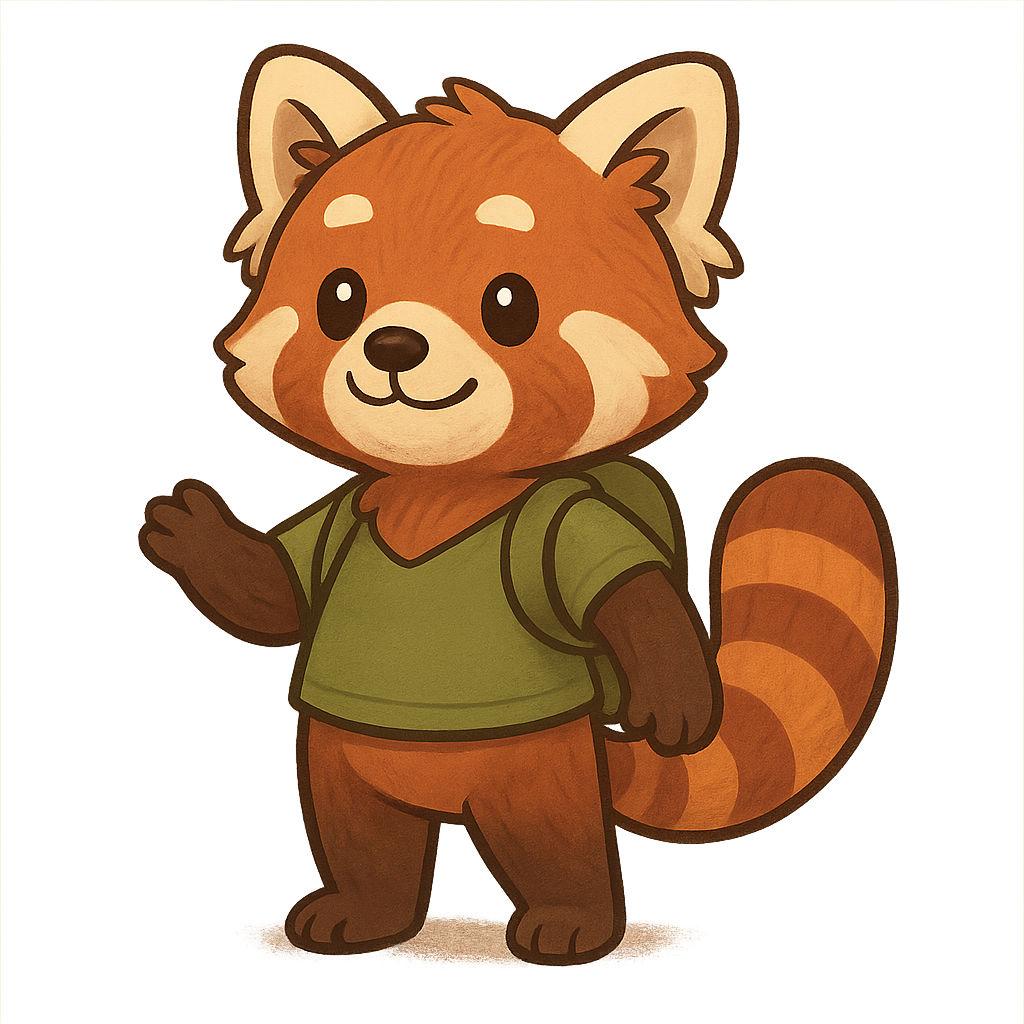
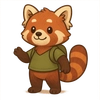
Hello, I am a Red Panda, and my story begins in the misty treetops of the Himalayas. You might see me as a flash of fire against the green canopy. My coat is a deep reddish-brown, which helps me blend in perfectly with the reddish moss that grows on the fir trees in my home. For balance, I have a long, bushy tail with rings, and my face is framed by fluffy white ears. I was born in a cozy hollow of a tree, where I spent my first few months safely tucked away with my mother. It was there that I learned the sounds of the forest, from the chirping of birds to the rustle of leaves in the wind. My kind was given a scientific name, Ailurus fulgens, way back in 1825 by a French zoologist named Frédéric Cuvier. He must have been inspired by my appearance, because Ailurus fulgens means 'shining cat.' Though I'm not a cat, the name captures the bright color that makes me stand out, yet helps me hide in my special corner of the world.
My life is quite unique. While some humans think I look like a raccoon or a small bear, I actually belong to my very own family, called Ailuridae. My world truly revolves around one thing: bamboo. It makes up a significant portion of the red panda's diet, but they also eat fruits, roots, grasses, acorns, lichens, bird eggs, and insects. To help me eat, I have a special tool that other animals don't. It's often called a 'false thumb,' but it’s really a modified wrist bone that sticks out. This extra digit allows me to get a firm grip on bamboo stalks while I nibble on the most tender leaves and shoots. Because bamboo isn't very high in nutrients, I have to eat a large amount of it every single day. To make up for the low-energy food, I spend a lot of my time resting, often curled up on a branch with my long tail wrapped around me like a warm blanket. I am most active during the cooler hours of dawn and dusk, a lifestyle scientists call 'crepuscular.' During these times, I search for food and communicate with other red pandas, not with loud calls, but through scent markings and vocalizations such as squeals and twitters to let others know I am here.
A Flash of Fire in the Treetops
Hello, I am a Red Panda, and my story begins in the misty treetops of the Himalayas. You might see me as a flash of fire against the green canopy. My coat is a deep reddish-brown, which helps me blend in perfectly with the reddish moss that grows on the fir trees in my home. For balance, I have a long, bushy tail with rings, and my face is framed by fluffy white ears. I was born in a cozy hollow of a tree, where I spent my first few months safely tucked away with my mother. It was there that I learned the sounds of the forest, from the chirping of birds to the rustle of leaves in the wind. My kind was given a scientific name, Ailurus fulgens, way back in 1825 by a French zoologist named Frédéric Cuvier. He must have been inspired by my appearance, because Ailurus fulgens means 'shining cat.' Though I'm not a cat, the name captures the bright color that makes me stand out, yet helps me hide in my special corner of the world.
My life is quite unique. While some humans think I look like a raccoon or a small bear, I actually belong to my very own family, called Ailuridae. My world truly revolves around one thing: bamboo. It makes up a significant portion of the red panda's diet, but they also eat fruits, roots, grasses, acorns, lichens, bird eggs, and insects. To help me eat, I have a special tool that other animals don't. It's often called a 'false thumb,' but it’s really a modified wrist bone that sticks out. This extra digit allows me to get a firm grip on bamboo stalks while I nibble on the most tender leaves and shoots. Because bamboo isn't very high in nutrients, I have to eat a large amount of it every single day. To make up for the low-energy food, I spend a lot of my time resting, often curled up on a branch with my long tail wrapped around me like a warm blanket. I am most active during the cooler hours of dawn and dusk, a lifestyle scientists call 'crepuscular.' During these times, I search for food and communicate with other red pandas, not with loud calls, but through scent markings and vocalizations such as squeals and twitters to let others know I am here.
As peaceful as my life in the trees is, my world has been changing. The forests I call home are shrinking. When humans cut down trees, it becomes much harder for me and my family to find enough bamboo to eat and safe trees to sleep in. This is called habitat fragmentation, and it also makes it difficult for us to travel through the forest to find a mate. The challenges we face became officially recognized in 2015, when scientists announced that my species was 'Endangered.' This means our population has become very small, and we are at risk of disappearing if we are not protected. But there is also hope. Many people are working to help us. An organization called the Red Panda Network was started in 2007. They work with the local communities in the Himalayas to protect our forest homes, showing that humans and red pandas can live together and help each other thrive.
My quiet life in the canopy has a big purpose. Humans call me an 'indicator species,' which is a special way of saying that my health reflects the health of my entire environment. If my family and I are doing well, it means the Himalayan forest ecosystem is in good balance—from the moss on the trees to the fresh water in the streams. My presence signals a thriving forest. To help more people understand our importance, a special day was created in 2010 called International Red Panda Day. On this day every year, people all over the world celebrate us and learn about the simple things they can do to help protect our future. My journey through the treetops is a quiet one, but it is a vital part of my world. By protecting my home, people are also protecting the health of the planet for everyone.
Wow facts
About
The red panda is a small mammal native to the eastern Himalayas and southwestern China, known for its reddish-brown fur, long, shaggy tail, and waddling gait. It is the only living species of the genus Ailurus and the family Ailuridae.
Take a Quiz
Question 1 of 5
The story mentions the Red Panda is an 'indicator species.' What does this term mean?
Explore next



Want to do even more?
Go beyond exploring. Unlock tools that turn every story into real learning.

Storypie Plus for families
Full stories, quizzes, and printables. Nights and car rides, sorted.
- Unlimited audio stories
- Create Mode: your child stars in the story
- Offline downloads
- Printable worksheets & coloring pages

Why Storypie for Schools
Students engaged. Prep in seconds. Evenings back to you.
- Worksheets & Quizzes
- Classroom Management
- Formative Assessment
- Custom Curriculum & Lesson Plans
- 27 Languages

Why Storypie for Homeschool
Curriculum done. They'll ask for more. Hours back in your day.
- Worksheet Generator
- First-Person Audio Stories
- Built-in Comprehension Quizzes
- Custom Curriculum & Lesson Plans
- Print & Go Activities