English

Seahorse
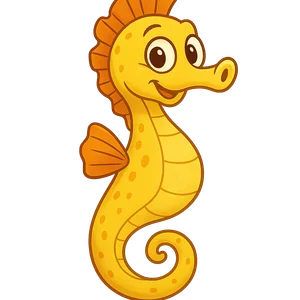
The Yellow Seahorse (Hippocampus kuda) is a species of fish known for its variable coloration…
Reads at Grades 3–5 Listens at Grades 1–5
Print & create
Answer keys·No prep·Free with an account
28 worksheets · answer keys · full story · quiz · Ages 8-10 · CEFR B1
Plus adds 244,000+ more stories in 27 languages, audio for every one, and printables for all of them.
Just want Seahorse?
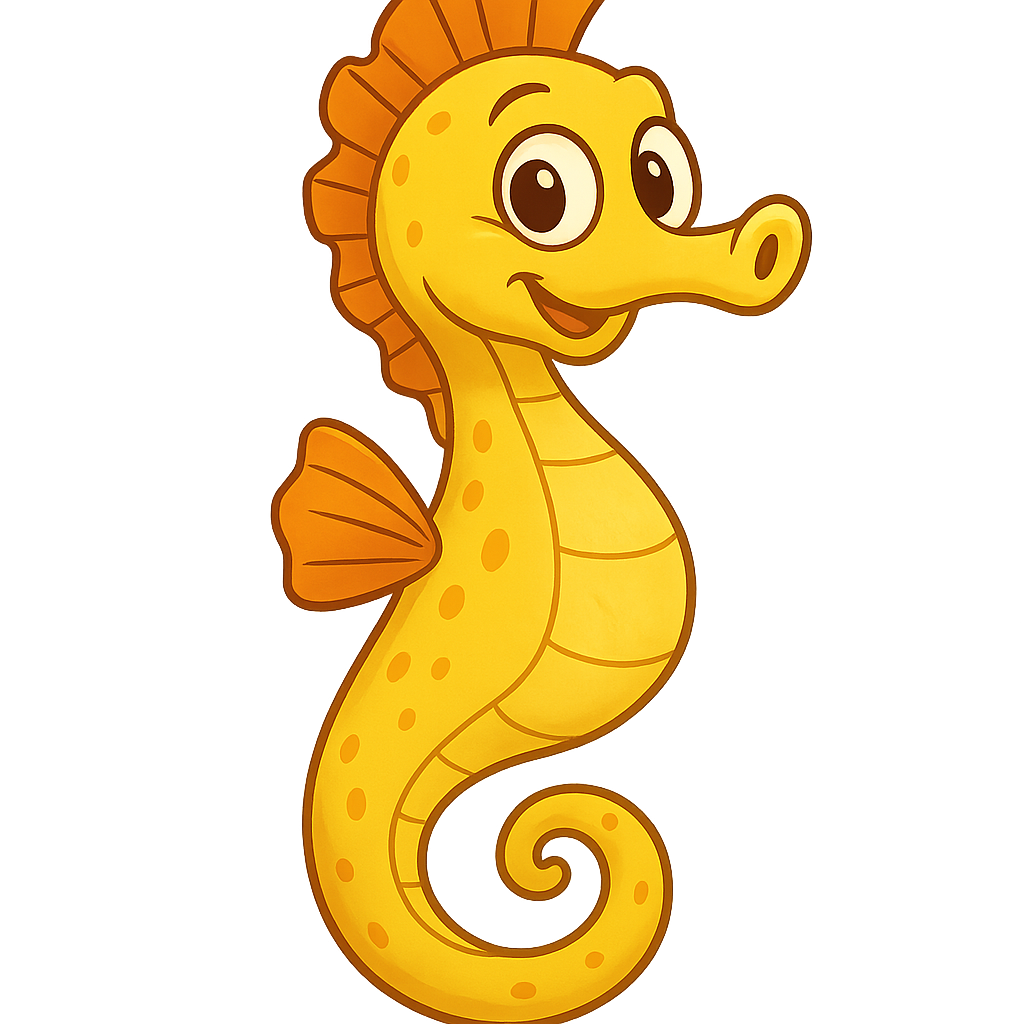
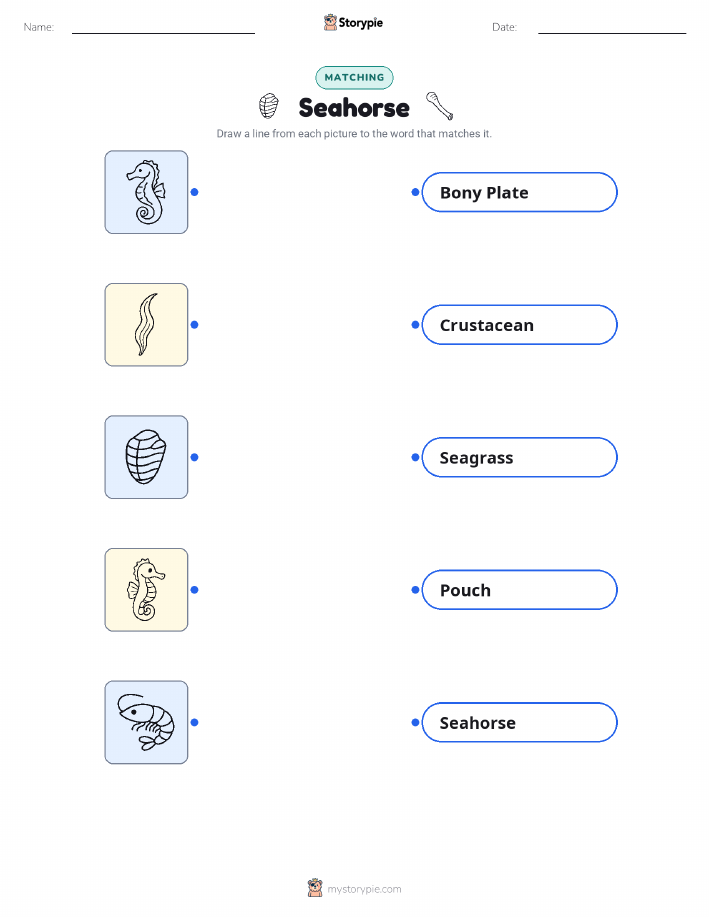
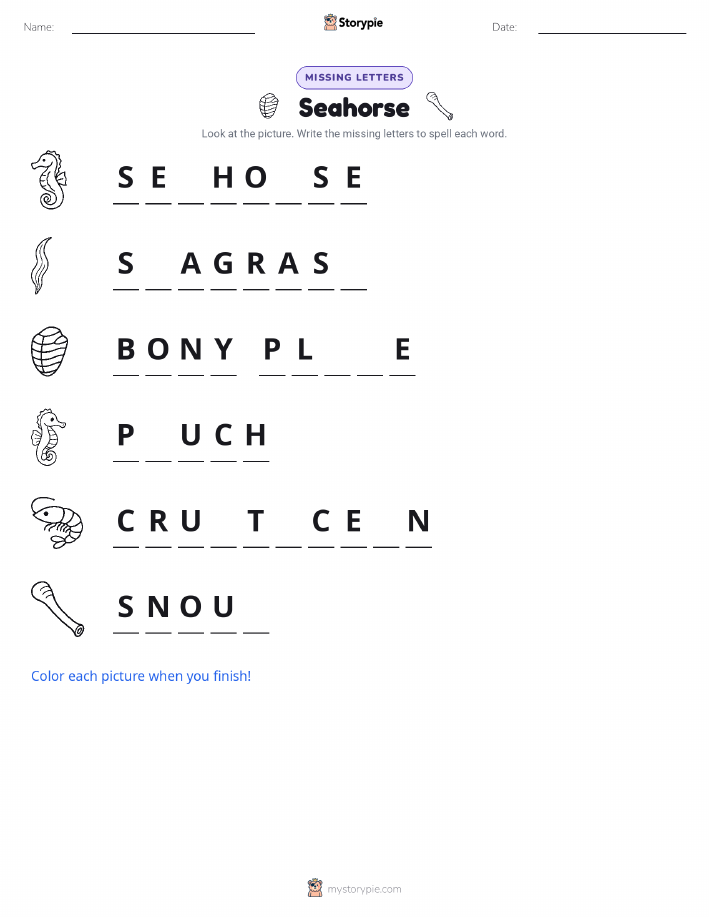
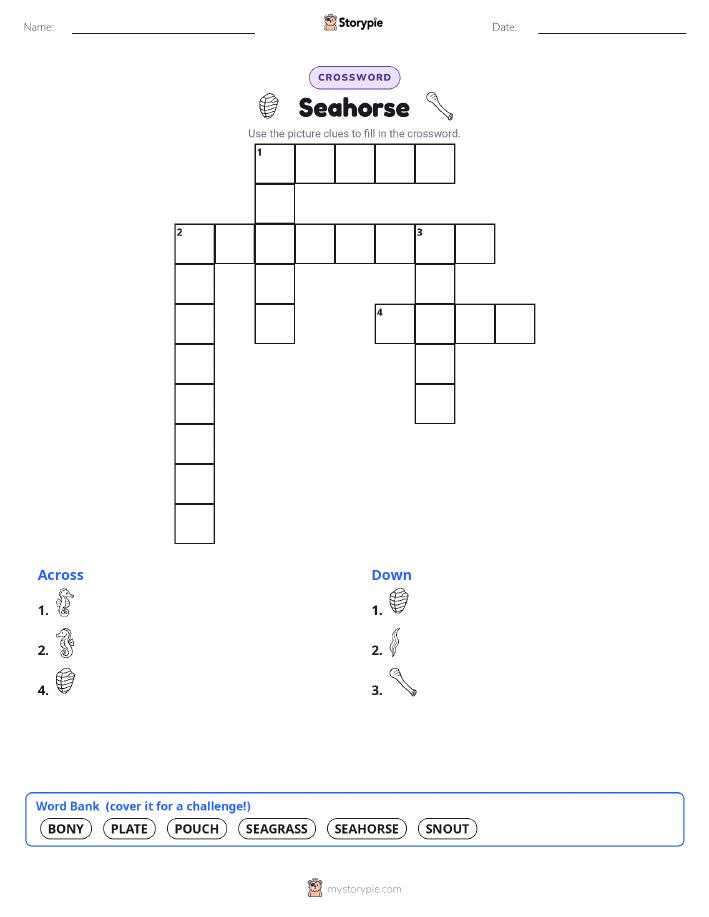
Hello from the warm, sunlit waters. I am a Yellow Seahorse, and my home is a beautiful underwater meadow of seagrass. I live in the shallow parts of the Indo-Pacific ocean, where the water is clear and gentle. You might notice that I don’t look like other fish. My body is covered in bony plates, and my head is shaped a bit like a horse's, which is how I got my name. *Hippocampus kuda* exhibits various colors, including black, brown, yellow, and cream, with coloration influenced by environmental factors. My tail is one of my most special features. It’s long and curly, and I use it to grab onto the swaying blades of seagrass. This is very important because I am not a very strong swimmer. Instead of swimming freely in the open water, I prefer to hold on tight and let the gentle currents rock me back and forth. My prehensile tail works like a little hand, giving me a safe anchor in my cozy, underwater world.
My family life is one of the most amazing things about me. Every single morning, my partner and I do a special courtship dance. We swim together, change colors, and wrap our tails around each other to greet the day. It’s our way of staying connected. But the most incredible part of our family story is how my dad takes care of the babies. After our dance, my mom carefully places her eggs into a special pouch on my dad’s belly. It’s called a brood pouch, and it’s like a warm, safe nursery. My dad carries the eggs in his pouch for a few weeks, protecting them from danger and making sure they have everything they need to grow. When it’s time, hundreds of my tiny brothers and sisters hatch right out of his pouch. It’s a truly unique way to start a family, and it makes seahorse dads very special in the ocean.
A Yellow Seahorse's Tale
Hello from the warm, sunlit waters. I am a Yellow Seahorse, and my home is a beautiful underwater meadow of seagrass. I live in the shallow parts of the Indo-Pacific ocean, where the water is clear and gentle. You might notice that I don’t look like other fish. My body is covered in bony plates, and my head is shaped a bit like a horse's, which is how I got my name. Hippocampus kuda exhibits various colors, including black, brown, yellow, and cream, with coloration influenced by environmental factors. My tail is one of my most special features. It’s long and curly, and I use it to grab onto the swaying blades of seagrass. This is very important because I am not a very strong swimmer. Instead of swimming freely in the open water, I prefer to hold on tight and let the gentle currents rock me back and forth. My prehensile tail works like a little hand, giving me a safe anchor in my cozy, underwater world.
My family life is one of the most amazing things about me. Every single morning, my partner and I do a special courtship dance. We swim together, change colors, and wrap our tails around each other to greet the day. It’s our way of staying connected. But the most incredible part of our family story is how my dad takes care of the babies. After our dance, my mom carefully places her eggs into a special pouch on my dad’s belly. It’s called a brood pouch, and it’s like a warm, safe nursery. My dad carries the eggs in his pouch for a few weeks, protecting them from danger and making sure they have everything they need to grow. When it’s time, hundreds of my tiny brothers and sisters hatch right out of his pouch. It’s a truly unique way to start a family, and it makes seahorse dads very special in the ocean.
My days are spent hunting for food and hiding from danger. Since I'm not a fast swimmer, I can't chase after my meals. Instead, I have to be very patient. I hold perfectly still, blending in with the seagrass or coral around me. I wait for tiny crustaceans like shrimp and copepods to float by. When one gets close enough, I use my long snout like a vacuum cleaner. Slurp. In a flash, my meal is gone. This way of eating is called ambush hunting, and it works perfectly for me. But while I am hunting, I also have to watch out for predators like crabs. To stay safe, I have a superpower: camouflage. I can change my skin color to blend with my surroundings, though the match may not always be perfect. If I am near yellow coral, I turn yellow. If I am in green seagrass, I turn green. This amazing ability helps me disappear from sight, keeping me hidden and safe in my ocean home.
For a long time, humans didn't know much about my kind. It wasn't until 1852 that a scientist named Pieter Bleeker officially described my species for the world to learn about. Since then, the world has changed a lot, and so have our ocean homes. The beautiful seagrass meadows and coral reefs where we live are shrinking, which makes it harder for us to find food and shelter. But there have been hopeful moments for us, too. In 2004, an important international group called CITES created special rules to help protect seahorses. These rules help make sure that we are not traded too much, which gives our populations a better chance to stay healthy and strong in the wild.
My place in the ocean is a small but important one. By slurping up tiny crustaceans, I help keep their numbers in balance, which is a vital job in my habitat. Scientists know that when you see seahorses like me dancing in the seagrass, it’s a sign that the underwater environment is healthy and thriving. Protecting our ocean homes, like the coral reefs and seagrass beds, is so important. When our homes are safe, it ensures that seahorses can continue to live, hunt, and raise our amazing families for many, many years to come.
Wow facts
About
The Yellow Seahorse (Hippocampus kuda) is a species of fish known for its variable coloration, prehensile tail, and unique reproductive system where the male carries the eggs and gives birth. They inhabit shallow coastal waters in the Indo-Pacific.
Take a Quiz
Question 1 of 5
Why is the seahorse's prehensile tail so important for its survival?
Explore next





Want to do even more?
Go beyond exploring. Unlock tools that turn every story into real learning.

Storypie Plus for families
Full stories, quizzes, and printables. Nights and car rides, sorted.
- Unlimited audio stories
- Create Mode: your child stars in the story
- Offline downloads
- Printable worksheets & coloring pages

Why Storypie for Schools
Students engaged. Prep in seconds. Evenings back to you.
- Worksheets & Quizzes
- Classroom Management
- Formative Assessment
- Custom Curriculum & Lesson Plans
- 27 Languages

Why Storypie for Homeschool
Curriculum done. They'll ask for more. Hours back in your day.
- Worksheet Generator
- First-Person Audio Stories
- Built-in Comprehension Quizzes
- Custom Curriculum & Lesson Plans
- Print & Go Activities