English

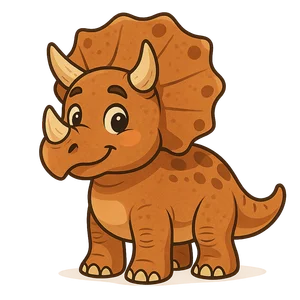
Triceratops
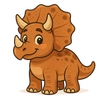
Triceratops was a large, herbivorous dinosaur with three prominent facial horns and a large bony frill…
Reads at Grades 6–8 Listens at Grades 4–8
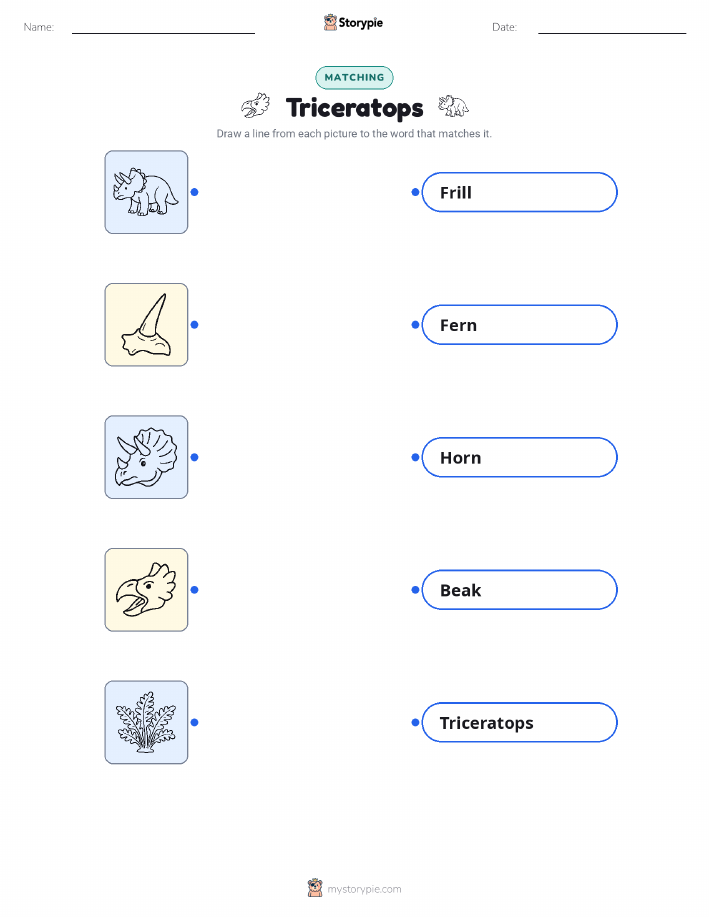
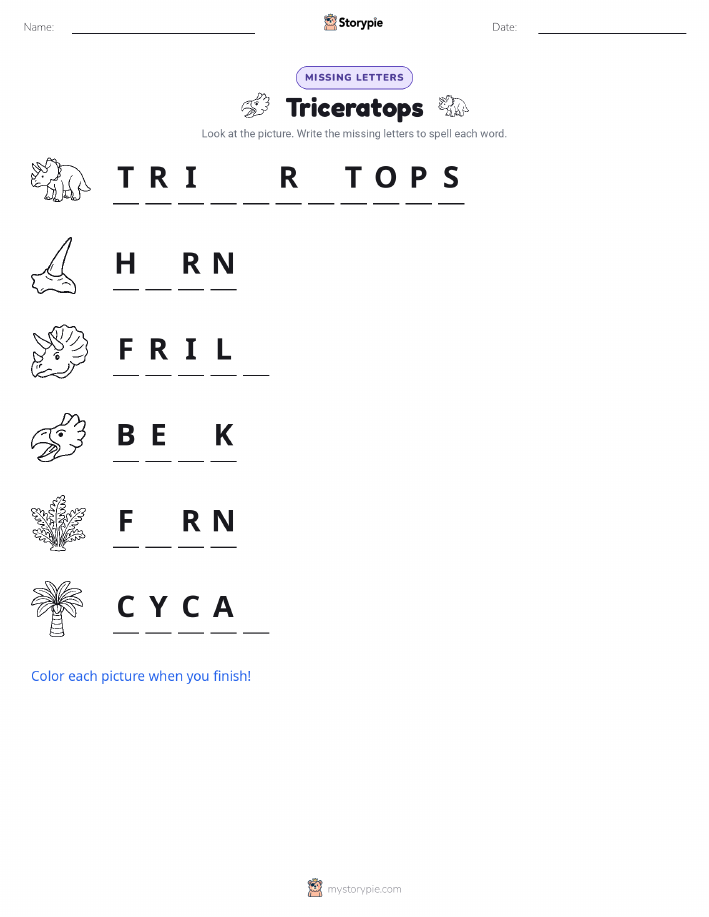
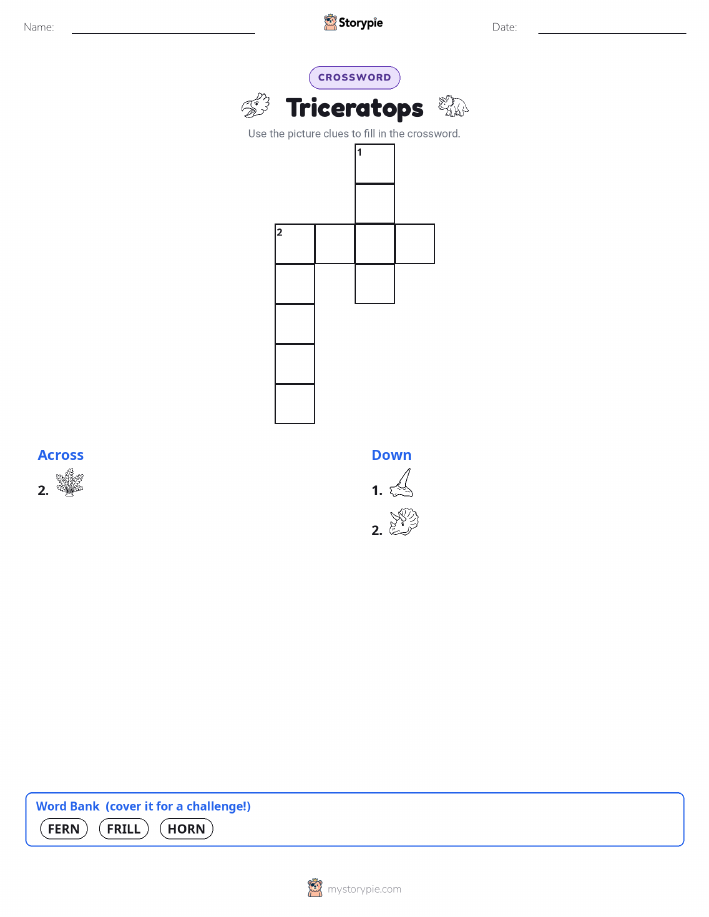
Print & create
Answer keys·No prep·Free with an account
28 worksheets · answer keys · full story · quiz · Ages 10-12 · CEFR B2
Plus adds 244,000+ more stories in 27 languages, audio for every one, and printables for all of them.
Just want Triceratops?
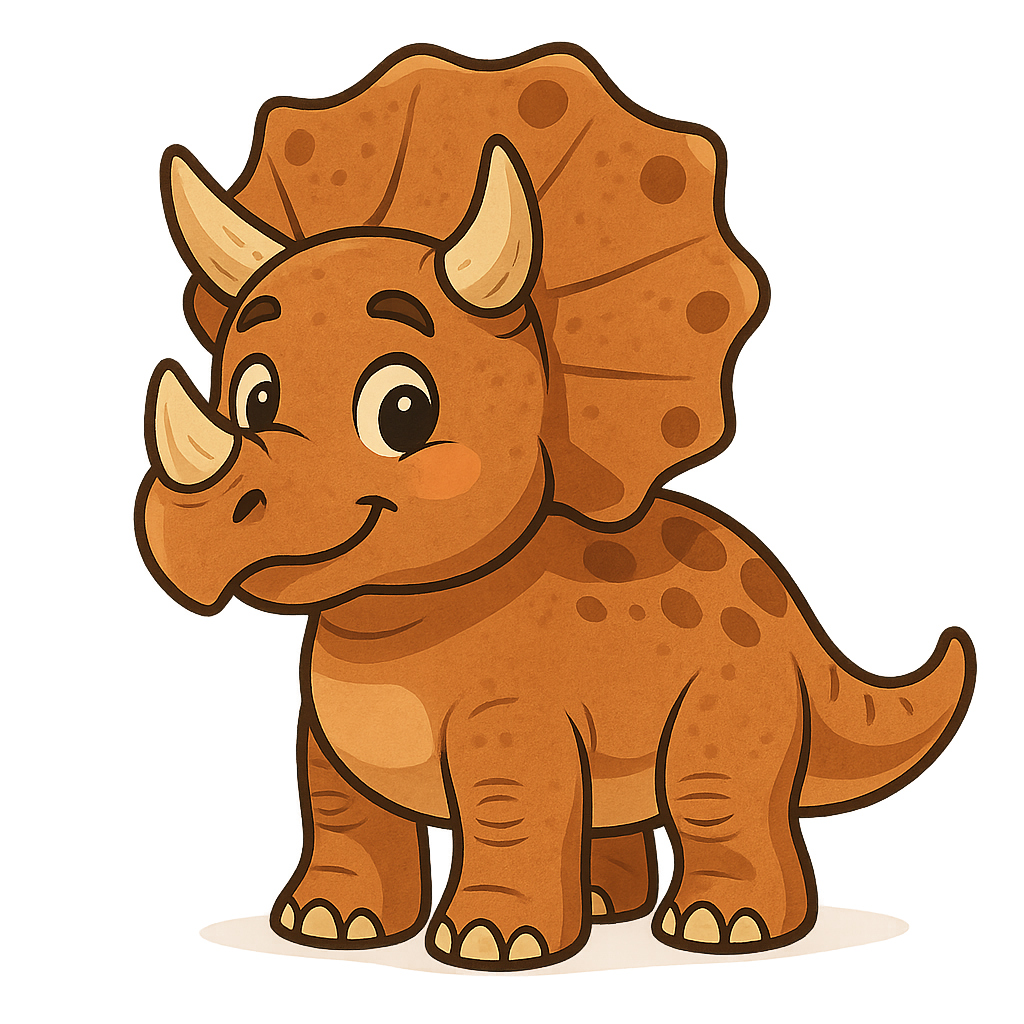
Hello! My name is Triceratops, a name that means 'three-horned face,' and for good reason. My face was one of my most remarkable features. I had two long horns that grew just above my eyes and a shorter, thicker horn on my nose. Framing my face was a huge, solid shield of bone called a frill. This frill wasn't just for show; it was a part of who I was and how I survived. I roamed the Earth about 68 million years ago, during a fascinating time known as the Late Cretaceous Period. The world I knew was very different from the one you know today. My home was a vast, green land that geologists and paleontologists now call North America. Imagine a world without cities or roads, a place filled with towering trees, winding rivers, and creatures so immense they would seem like monsters from a storybook. That was my world, a place of incredible natural wonder and constant challenge. I was one of the last great dinosaurs to walk the Earth, a giant from a lost age, and this is my story.
My days were spent foraging for food, as I was a herbivore. My diet consisted of the tough, fibrous plants that grew all around me. I used my powerful, beak-like mouth to snip off branches from plants like ferns and cycads, which were plentiful in my habitat. I lived in a place now called the Hell Creek Formation, which, despite its name, was a paradise for a plant-eater like me. It was a lush, subtropical floodplain filled with dense forests, sprawling wetlands, and wide, slow-moving rivers. The air was warm and humid, and the ground was covered in a carpet of green. Life was not a solitary journey for me. I may have exhibited some social behavior, but fossil evidence predominantly indicates solitary individuals, suggesting I did not commonly travel in large groups. Moving in herds was our greatest strength. It provided us with protection, as many eyes were better than just two for spotting danger. I likely used visual displays for communication, but evidence for parental care is limited. We cared for our young, and moved together across the landscape in search of fresh feeding grounds. This sense of community was essential for our survival in a world where we were not the only giants.
A Triceratops' Tale
Hello! My name is Triceratops, a name that means 'three-horned face,' and for good reason. My face was one of my most remarkable features. I had two long horns that grew just above my eyes and a shorter, thicker horn on my nose. Framing my face was a huge, solid shield of bone called a frill. This frill wasn't just for show; it was a part of who I was and how I survived. I roamed the Earth about 68 million years ago, during a fascinating time known as the Late Cretaceous Period. The world I knew was very different from the one you know today. My home was a vast, green land that geologists and paleontologists now call North America. Imagine a world without cities or roads, a place filled with towering trees, winding rivers, and creatures so immense they would seem like monsters from a storybook. That was my world, a place of incredible natural wonder and constant challenge. I was one of the last great dinosaurs to walk the Earth, a giant from a lost age, and this is my story.
My days were spent foraging for food, as I was a herbivore. My diet consisted of the tough, fibrous plants that grew all around me. I used my powerful, beak-like mouth to snip off branches from plants like ferns and cycads, which were plentiful in my habitat. I lived in a place now called the Hell Creek Formation, which, despite its name, was a paradise for a plant-eater like me. It was a lush, subtropical floodplain filled with dense forests, sprawling wetlands, and wide, slow-moving rivers. The air was warm and humid, and the ground was covered in a carpet of green. Life was not a solitary journey for me. I may have exhibited some social behavior, but fossil evidence predominantly indicates solitary individuals, suggesting I did not commonly travel in large groups. Moving in herds was our greatest strength. It provided us with protection, as many eyes were better than just two for spotting danger. I likely used visual displays for communication, but evidence for parental care is limited. We cared for our young, and moved together across the landscape in search of fresh feeding grounds. This sense of community was essential for our survival in a world where we were not the only giants.
My world was beautiful, but it was also filled with dangers. The greatest challenge I ever faced was a formidable predator, the Tyrannosaurus rex. This massive carnivore shared my habitat, and its presence was a constant threat. But I was not defenseless. My horns were not merely for decoration; they were sharp, powerful weapons that I could use to fend off an attack. My bony frill may have provided some neck protection but was also likely used for display purposes, protecting my vulnerable neck from the T. rex's crushing jaws. We were well-matched adversaries, and encounters between us were a dramatic part of life in the Late Cretaceous Period. Scientists have found incredible evidence of these struggles. Paleontologists have uncovered Triceratops fossils with T. rex bite marks scarred into the bone. Remarkably, some of these fossils show signs of healing, which is clear proof that we could, and did, survive encounters with this famous predator. My strength and defenses gave me a fighting chance, proving that even in a world of giants, I was a force to be reckoned with.
For millions of years, my kind thrived. But our world was destined for a sudden and catastrophic change. Around 66 million years ago, the sky itself seemed to fall. A massive asteroid, miles wide, struck the Earth with unimaginable force. The impact sent a cloud of dust, ash, and debris high into the atmosphere, spreading across the globe and blocking out the sun. The world was plunged into a long, dark twilight. Without sunlight, the plants I depended on for food began to wither and die. The lush green world I had known my entire life started to fade away, replaced by a gray, barren landscape. The entire food chain collapsed. This event, which scientists now call the Cretaceous-Paleogene extinction event, brought a swift and dramatic end to the Age of Dinosaurs. It was a time of great upheaval that changed the course of life on this planet forever.
My story did not end there, however. Millions of years after I vanished, my bones lay resting deep within the earth, waiting to be discovered. In 1887, the first fossil horns belonging to one of my kind were found, but they were so unusual that they were initially mistaken for the horns of a giant, extinct bison. It wasn't until two years later, in 1889, that a paleontologist named Othniel Charles Marsh correctly identified my remains. He understood that I was not a bison, but a completely different kind of animal—a dinosaur with three horns. It was he who gave me my name, Triceratops. I lived during the Cretaceous era, a time when the world was vastly different. Today, my fossils help scientists piece together the story of Earth's ancient past. They serve as a window into a lost world, reminding people of the incredible diversity of life that has existed on this planet and the powerful forces that can shape its history. My bones tell a story of survival, adaptation, and ultimately, of a magnificent world that once was.
Wow facts
About
Triceratops was a large, herbivorous dinosaur with three prominent facial horns and a large bony frill, which lived during the Late Cretaceous Period in what is now North America.
Take a Quiz
Question 1 of 5
What is the main theme or message of the Triceratops' story?
Explore next


Want to do even more?
Go beyond exploring. Unlock tools that turn every story into real learning.

Storypie Plus for families
Full stories, quizzes, and printables. Nights and car rides, sorted.
- Unlimited audio stories
- Create Mode: your child stars in the story
- Offline downloads
- Printable worksheets & coloring pages

Why Storypie for Schools
Students engaged. Prep in seconds. Evenings back to you.
- Worksheets & Quizzes
- Classroom Management
- Formative Assessment
- Custom Curriculum & Lesson Plans
- 27 Languages

Why Storypie for Homeschool
Curriculum done. They'll ask for more. Hours back in your day.
- Worksheet Generator
- First-Person Audio Stories
- Built-in Comprehension Quizzes
- Custom Curriculum & Lesson Plans
- Print & Go Activities