English

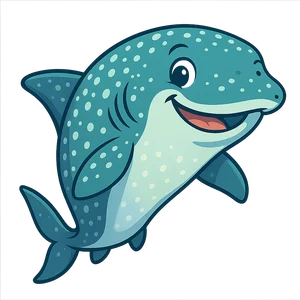
Whale Shark
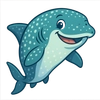
The whale shark (Rhincodon typus) is the largest known living nonmammalian vertebrate.
Reads at Grades 6–8 Listens at Grades 4–8
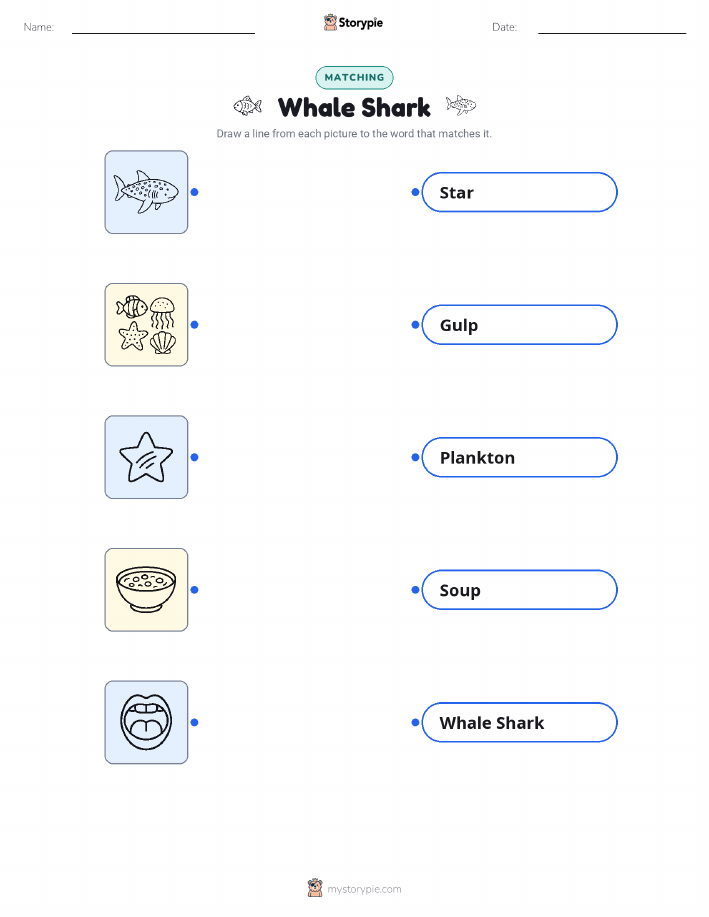
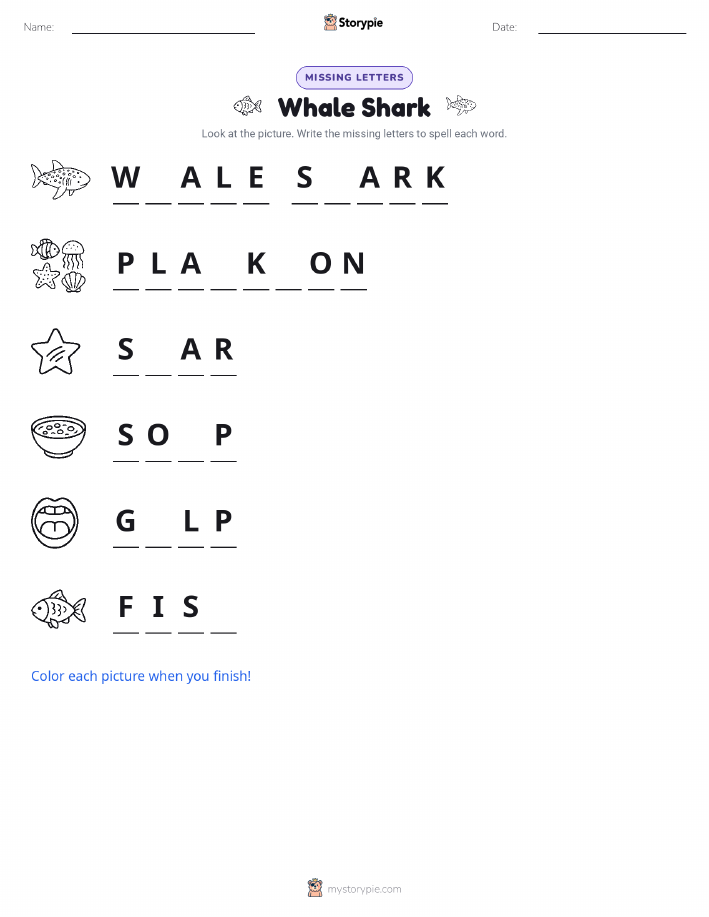
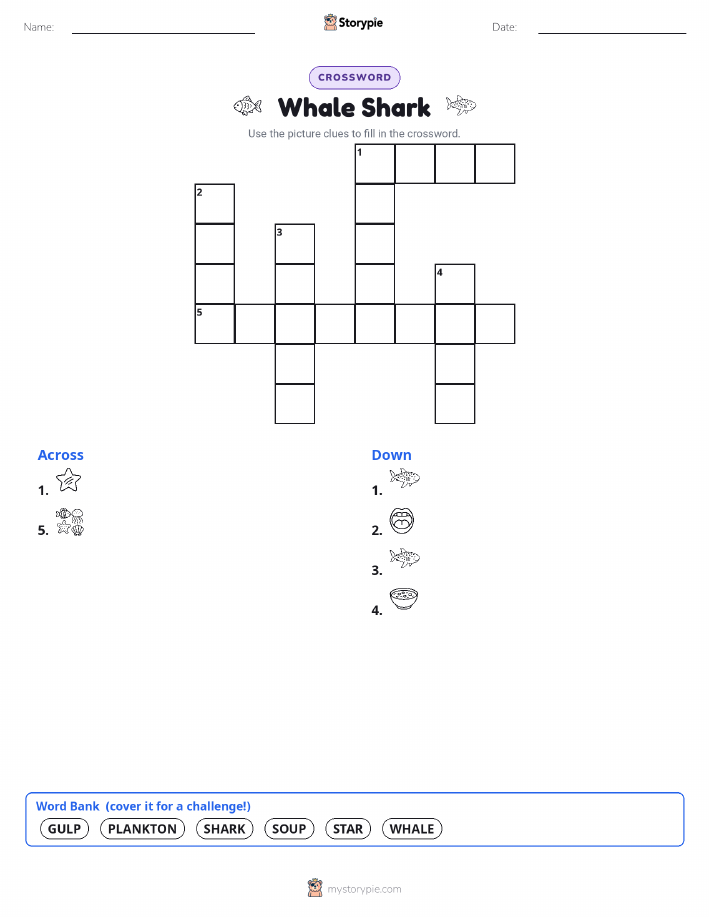
Print & create
Answer keys·No prep·Free with an account
28 worksheets · answer keys · full story · quiz · Ages 10-12 · CEFR B2
Plus adds 244,000+ more stories in 27 languages, audio for every one, and printables for all of them.
Just want Whale Shark?
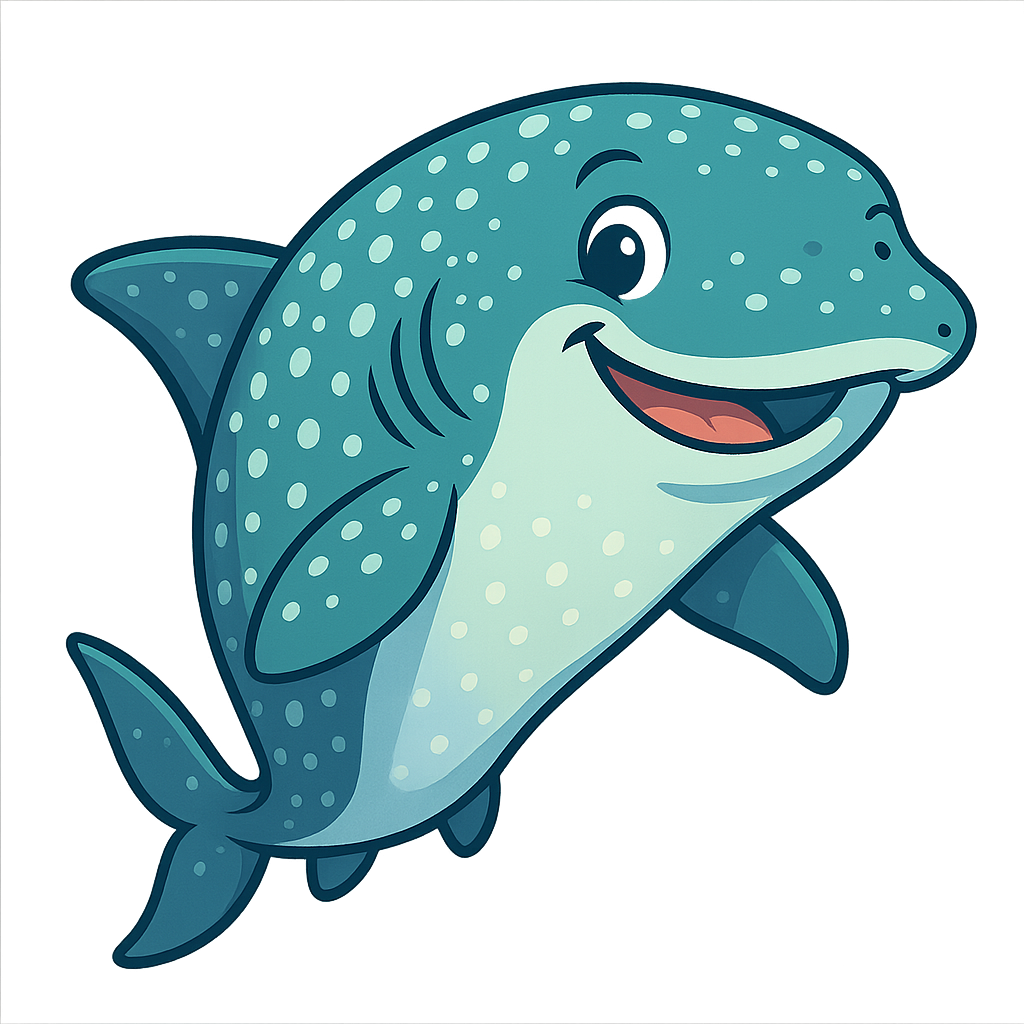
Hello, I am a whale shark. My name might sound a bit confusing, but I am not a whale at all. I am the largest fish in the entire ocean. My life began in a very special way. I did not hatch from an egg laid in the open water; instead, I developed inside an egg case that stayed safely within my mother. This process is called ovoviviparity. When I was ready, I emerged from her fully formed, a miniature version of the giant I would become. From my very first day, my back was covered in a beautiful pattern of pale spots and stripes, shimmering against my dark grey skin. This pattern is completely unique to me, just like a human's fingerprint. No other whale shark in the world has the exact same star-like markings, a cosmic map that tells the story of who I am.
As a young shark, I set off on my own, becoming a solitary traveler on a vast blue highway. My journeys are immense, taking me across the warm, tropical waters of the Pacific and Indian Oceans. You might think that a creature of my size would hunt large prey, but I am a gentle giant. I am what is known as a filter-feeder. My diet consists of some of the smallest life in the sea: plankton, tiny shrimp-like animals called krill, and clouds of fish eggs. To eat, I perform a technique called ram-feeding. This simply means I swim forward with my enormous, wide mouth open, sometimes as wide as four feet. As I move, water full of my food rushes in. The water then flows out through my gills, but special filtering pads trap all the delicious, tiny organisms for me to swallow. It is an efficient way to gather the enormous amount of food I need to power my great migrations.
The Speckled Giant of the Sea
Hello, I am a whale shark. My name might sound a bit confusing, but I am not a whale at all. I am the largest fish in the entire ocean. My life began in a very special way. I did not hatch from an egg laid in the open water; instead, I developed inside an egg case that stayed safely within my mother. This process is called ovoviviparity. When I was ready, I emerged from her fully formed, a miniature version of the giant I would become. From my very first day, my back was covered in a beautiful pattern of pale spots and stripes, shimmering against my dark grey skin. This pattern is completely unique to me, just like a human's fingerprint. No other whale shark in the world has the exact same star-like markings, a cosmic map that tells the story of who I am.
As a young shark, I set off on my own, becoming a solitary traveler on a vast blue highway. My journeys are immense, taking me across the warm, tropical waters of the Pacific and Indian Oceans. You might think that a creature of my size would hunt large prey, but I am a gentle giant. I am what is known as a filter-feeder. My diet consists of some of the smallest life in the sea: plankton, tiny shrimp-like animals called krill, and clouds of fish eggs. To eat, I perform a technique called ram-feeding. This simply means I swim forward with my enormous, wide mouth open, sometimes as wide as four feet. As I move, water full of my food rushes in. The water then flows out through my gills, but special filtering pads trap all the delicious, tiny organisms for me to swallow. It is an efficient way to gather the enormous amount of food I need to power my great migrations.
For thousands of years, my kind swam the oceans known only to the currents and the creatures we shared the water with. But in the year 1828, that began to change. One of my relatives was found in Table Bay, off the coast of South Africa. A military doctor and zoologist named Andrew Smith studied this individual carefully and gave my species its first formal description for the scientific world. He gave us the name Rhincodon typus. That official name helped people around the globe begin to understand us. Today, scientists have an amazing way to learn about our secret lives. They use the unique pattern of spots on my back to identify me. By taking photographs, they can track my movements across thousands of miles of ocean, learning about my migration routes and behaviors without ever disturbing me. My spots are my signature, telling my story to those who watch from above.
Although I spend most of my life swimming alone, there are special times of the year when I seek out the company of my own kind. These are our great gatherings, or aggregations, where hundreds of us whale sharks come together in specific locations. You might find us congregating at Ningaloo Reef in Australia or swimming in the waters near the Yucatán Peninsula in Mexico. We are not gathering just to be social; we are drawn by an incredible abundance of food. These events are often timed perfectly with major feasts in the ocean, such as a mass coral spawning, which releases millions of eggs into the water, or the hatching of fish that creates a thick soup of eggs and larvae. It is a spectacular sight, with dozens, sometimes hundreds, of us gliding gracefully through the water, our mouths open to enjoy the temporary buffet.
The ocean I travel through today is not the same as it was for my ancestors. My species now faces significant challenges to our survival. In 2016, my kind was officially listed as an endangered species, a serious warning that our numbers are declining. One of the greatest dangers we face is from human activities. We can get accidentally entangled in large fishing nets that are meant for other fish. Because we swim slowly near the surface, we are also at risk of being struck by large ships. Furthermore, the growing amount of plastic pollution in the ocean is a serious threat. We can mistake floating plastic for food, which can cause us great harm.
As I continue my journey, I carry an important responsibility. Whale sharks primarily feed on plankton, but their specific role in regulating plankton populations within the ocean's ecosystem is not well-documented. The health of the sea is connected to my survival. Thankfully, people are starting to understand this. Today, there are conservation laws in many countries to protect us, and responsible ecotourism can allow people to observe whale sharks in their natural habitat with minimal harm, but poorly managed tourism can lead to stress, injury, and behavioral changes in the animals. My story, written in the stars on my back, is a living reminder of the incredible wonders our blue planet holds and why we must all work together to protect it for the generations to come.
Wow facts
About
The whale shark (Rhincodon typus) is the largest known living nonmammalian vertebrate. It is a slow-moving, filter-feeding carpet shark and a gentle giant of the ocean.
Take a Quiz
Question 1 of 5
In your own words, describe the whale shark's life, including how it eats and a major challenge it faces today.
Explore next




Want to do even more?
Go beyond exploring. Unlock tools that turn every story into real learning.

Storypie Plus for families
Full stories, quizzes, and printables. Nights and car rides, sorted.
- Unlimited audio stories
- Create Mode: your child stars in the story
- Offline downloads
- Printable worksheets & coloring pages

Why Storypie for Schools
Students engaged. Prep in seconds. Evenings back to you.
- Worksheets & Quizzes
- Classroom Management
- Formative Assessment
- Custom Curriculum & Lesson Plans
- 27 Languages

Why Storypie for Homeschool
Curriculum done. They'll ask for more. Hours back in your day.
- Worksheet Generator
- First-Person Audio Stories
- Built-in Comprehension Quizzes
- Custom Curriculum & Lesson Plans
- Print & Go Activities