English

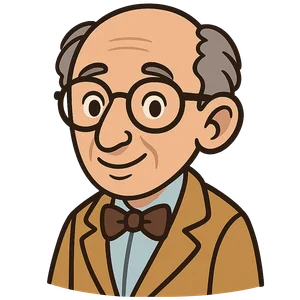
Aaron Copland
Aaron Copland was an American composer, conductor, and teacher…
Reads at Grades 3–5 Listens at Grades 1–5
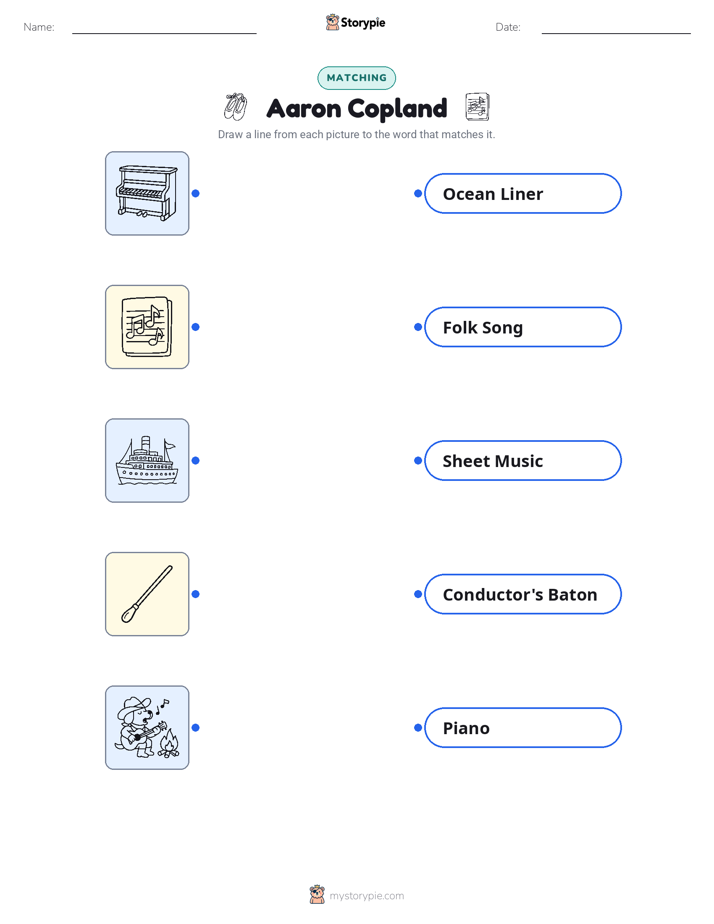
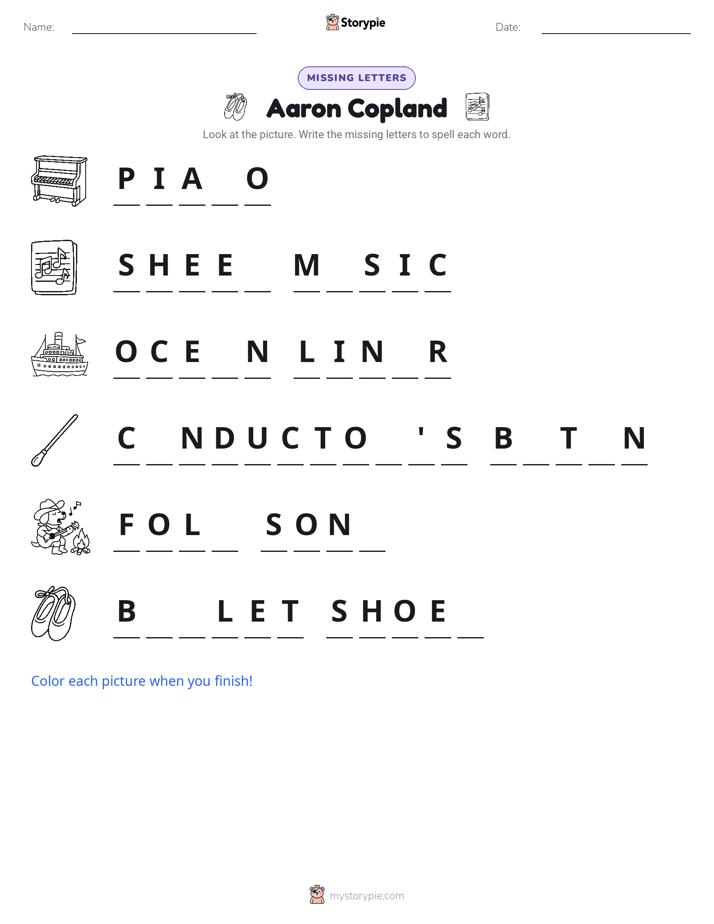
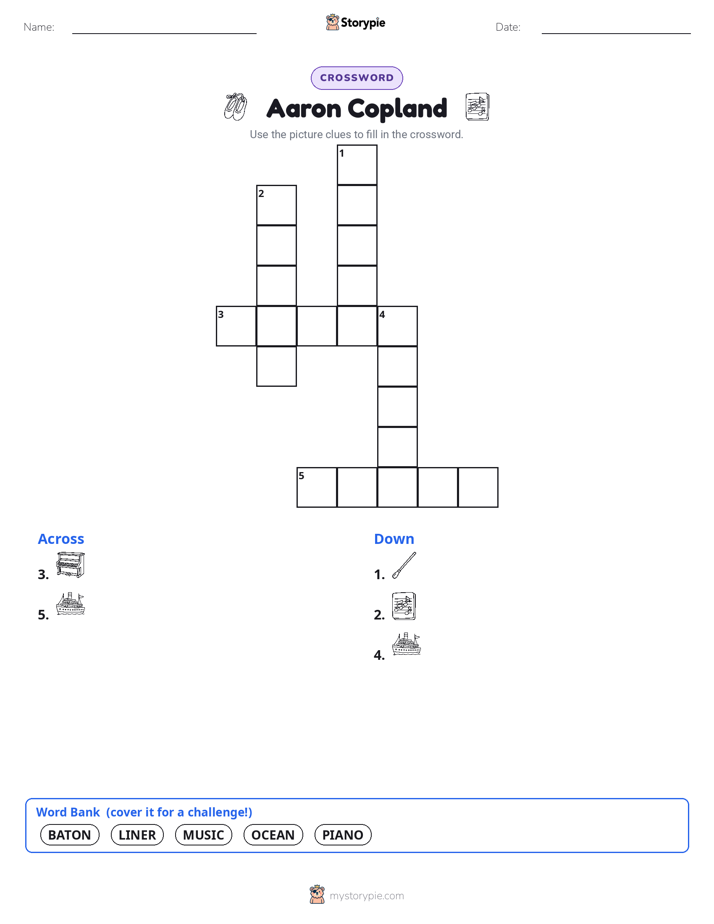
Print & create
Answer keys·No prep·Free with an account
28 worksheets · answer keys · full story · quiz · Ages 8-10 · CEFR B1
Plus adds 244,000+ more stories in 27 languages, audio for every one, and printables for all of them.
Just want Aaron Copland?
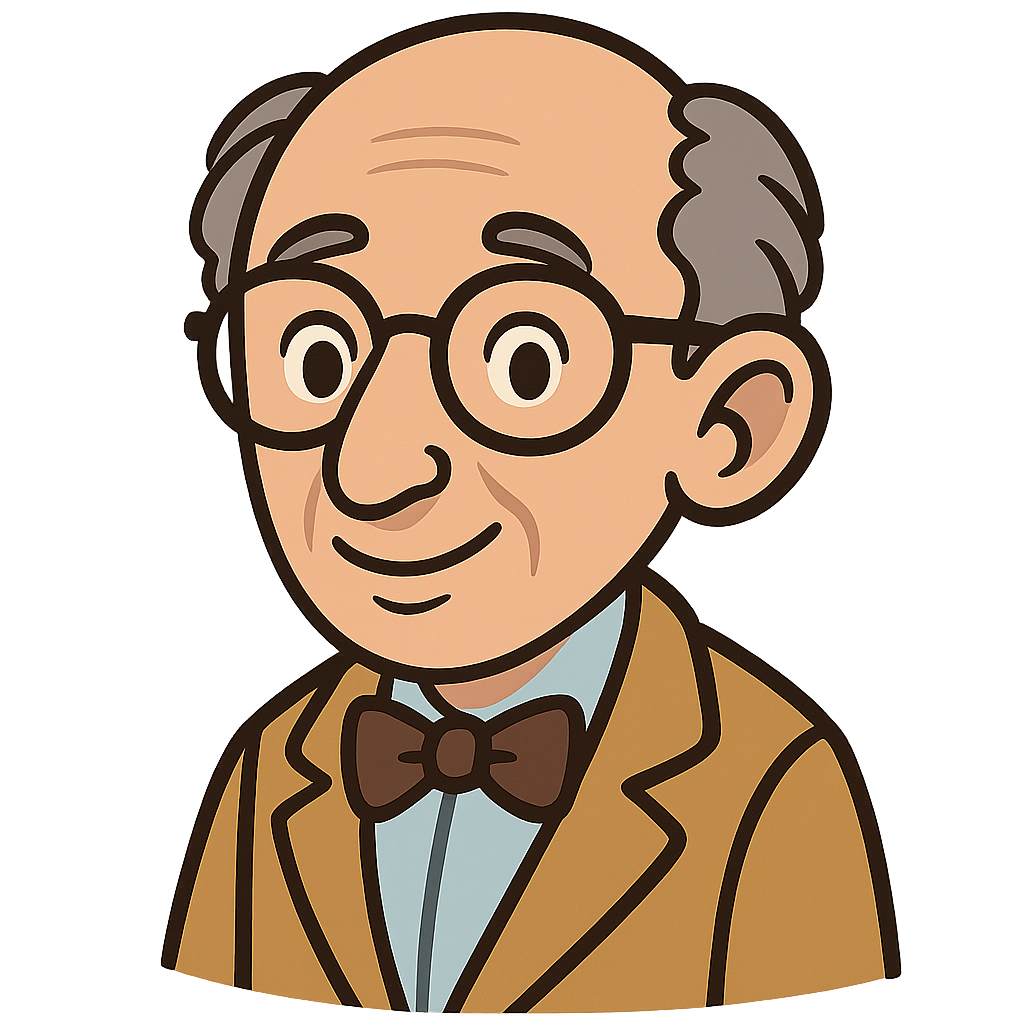
Hello, my name is Aaron Copland, and I wrote music that celebrated the heart and spirit of America. My story began on November 14th, 1900, in a busy neighborhood in Brooklyn, New York. I grew up in an apartment right above my family’s department store, so my ears were always filled with the sounds of the city—the clatter of horse-drawn carts, the chatter of shoppers, and the distant hum of traffic. That was the very first music I ever knew. Music truly entered my life when my older sister, Laurine, began teaching me how to play the piano. I loved the feeling of my fingers on the keys and the incredible sounds I could make. By the time I was 15 years old, I had made a very important decision. I knew, with all my heart, that I wanted to spend my life creating music.
In 1921, I decided to go on a great adventure to chase my dream. I traveled all the way across the ocean to Paris, France, to study with the very best music teachers. It was there that I met a wonderful teacher named Nadia Boulanger. She taught me one of the most important lessons of my life. She saw that I had talent, but she encouraged me not to simply copy the famous composers from Europe. Instead, she pushed me to listen to my own heart and find a special sound that was uniquely mine. Being so far away from my home in New York made me think a lot about my country. I realized that the music I wanted to write was music that sounded like America.
So, what did I mean by a sound that was like America? I wanted my music to feel as big and open as the American prairies and as lively as its cities. To do this, I started listening closely to the songs people were already singing. I wove American folk songs, cowboy tunes, and the exciting rhythms of jazz music into my compositions. I wanted my music to tell American stories. In 1938, I wrote the music for a ballet called 'Billy the Kid,' which told the story of a famous outlaw from the Wild West. A few years later, in 1942, during a difficult time in the world, I wrote a powerful piece of music called 'Fanfare for the Common Man.' It was meant to honor the bravery of everyday people, and its bold, hopeful sound felt distinctly American.
Aaron Copland
Hello, my name is Aaron Copland, and I wrote music that celebrated the heart and spirit of America. My story began on November 14th, 1900, in a busy neighborhood in Brooklyn, New York. I grew up in an apartment right above my family’s department store, so my ears were always filled with the sounds of the city—the clatter of horse-drawn carts, the chatter of shoppers, and the distant hum of traffic. That was the very first music I ever knew. Music truly entered my life when my older sister, Laurine, began teaching me how to play the piano. I loved the feeling of my fingers on the keys and the incredible sounds I could make. By the time I was 15 years old, I had made a very important decision. I knew, with all my heart, that I wanted to spend my life creating music.
In 1921, I decided to go on a great adventure to chase my dream. I traveled all the way across the ocean to Paris, France, to study with the very best music teachers. It was there that I met a wonderful teacher named Nadia Boulanger. She taught me one of the most important lessons of my life. She saw that I had talent, but she encouraged me not to simply copy the famous composers from Europe. Instead, she pushed me to listen to my own heart and find a special sound that was uniquely mine. Being so far away from my home in New York made me think a lot about my country. I realized that the music I wanted to write was music that sounded like America.
So, what did I mean by a sound that was like America? I wanted my music to feel as big and open as the American prairies and as lively as its cities. To do this, I started listening closely to the songs people were already singing. I wove American folk songs, cowboy tunes, and the exciting rhythms of jazz music into my compositions. I wanted my music to tell American stories. In 1938, I wrote the music for a ballet called 'Billy the Kid,' which told the story of a famous outlaw from the Wild West. A few years later, in 1942, during a difficult time in the world, I wrote a powerful piece of music called 'Fanfare for the Common Man.' It was meant to honor the bravery of everyday people, and its bold, hopeful sound felt distinctly American.
One of my favorite projects came in 1944 when I worked with a famous dancer and choreographer named Martha Graham. Together, we created a ballet called 'Appalachian Spring.' The music and the dance tell the story of a young couple of pioneers building their first home on the American frontier. It’s a story about hope, hard work, and new beginnings. To capture that feeling, I used a beautiful and simple folk song called 'Simple Gifts' as a main theme in the musical score. The melody is gentle and strong at the same time, just like the characters in the story. The following year, in 1945, I was filled with joy and surprise when I learned that my music for 'Appalachian Spring' had won a very important award: the Pulitzer Prize.
Looking back, I see a life filled with music. I not only wrote my own pieces but also spent time teaching and helping other young composers find their own voices, just as my teacher Nadia had done for me. I was honored to receive many awards for my work, including the Presidential Medal of Freedom in 1964. I lived a very full life and was 90 years old when I passed away on December 2nd, 1990. Today, people still refer to me as the 'Dean of American Composers.' I am so proud that my music is still played in concert halls and used in movies to celebrate the hopeful, strong, and wide-open spirit of America.
Wow facts
About
Aaron Copland was an American composer, conductor, and teacher, celebrated for creating a distinctly American style of classical music that incorporated folk and jazz melodies.
Take a Quiz
Question 1 of 5
What does it mean when the story says I wanted to write music that 'sounded like America'?
Explore next






Want to do even more?
Go beyond exploring. Unlock tools that turn every story into real learning.

Storypie Plus for families
Full stories, quizzes, and printables. Nights and car rides, sorted.
- Unlimited audio stories
- Create Mode: your child stars in the story
- Offline downloads
- Printable worksheets & coloring pages

Why Storypie for Schools
Students engaged. Prep in seconds. Evenings back to you.
- Worksheets & Quizzes
- Classroom Management
- Formative Assessment
- Custom Curriculum & Lesson Plans
- 27 Languages

Why Storypie for Homeschool
Curriculum done. They'll ask for more. Hours back in your day.
- Worksheet Generator
- First-Person Audio Stories
- Built-in Comprehension Quizzes
- Custom Curriculum & Lesson Plans
- Print & Go Activities